


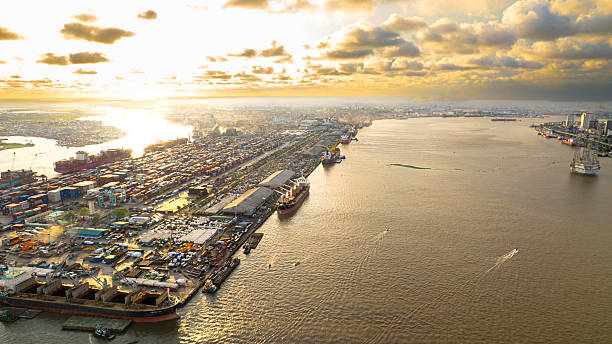
If you’re searching for terminal handling charges payable in Naira, you’re dealing with one of the key costs that show up when your cargo arrives at a Nigerian port or airport.
Whether your shipment comes through Apapa Port, Tin Can Island, or Lagos airport cargo terminals, terminal handling charges are part of the “hidden costs” that many importers only understand after goods arrive.
What Terminal Handling Charges Actually Mean
Terminal handling charges (THC) are fees charged for physically handling your cargo at the port or terminal.
They usually cover:
- Offloading containers from vessels
- Moving cargo within the terminal
- Storing goods temporarily
- Loading cargo for release or delivery
- General terminal operations and equipment use
In simple terms:
It’s the cost of physically managing your goods inside the port system.
Why Terminal Handling Charges Exist
Ports are not just entry points—they are full logistics hubs. So when your goods arrive, they go through:
- Unloading from ship or aircraft
- Inspection and scanning
- Storage in container yards or warehouses
- Movement between different port zones
All these activities require manpower, equipment, and infrastructure, which is why THC is applied.
Why THC Was Traditionally FX-Linked
Even though terminal operations are local, costs are often influenced by:
- International shipping line billing systems
- Dollar-based freight structures
- Port concession agreements tied to global pricing
- Import valuation linked to CIF (Cost + Insurance + Freight)
This made many importers mentally calculate everything in dollars—even for local port charges.
The Real Problem Importers Face
Terminal handling charges often become a surprise cost because:
- They are not always included in freight quotes
- Charges vary by port and cargo type
- Delays increase storage-related fees
- Importers don’t always get upfront breakdowns
- Multiple agencies may issue separate invoices
At busy ports like Lagos, congestion can also increase costs unexpectedly.
What “Terminal Handling Charges Pay in Naira” Means
When THC is payable in Naira, it means:
- Port handling fees are calculated locally
- You receive a clear Naira invoice
- You pay using Nigerian bank transfer
- No need for dollar conversion or FX sourcing
- Cargo handling is processed without delay
This is usually handled through freight forwarders or clearing agents.
How Terminal Handling Charges in Naira Work
The process usually looks like this:
- Cargo arrives at port or airport terminal
- Container or shipment is offloaded and stored
- Terminal calculates handling fees
- Charges are consolidated into invoice
- You receive total cost in Naira
- You pay locally
- Cargo is released for clearance or delivery
Example: Import From China to Apapa Port
Traditional method:
- THC listed separately in foreign currency breakdown
- Confusing multiple invoices
- FX conversion delays payment
Naira-based method:
- THC included in one Naira invoice
- Simple local payment
- Faster cargo processing
- Easier release from port
What Affects Terminal Handling Charges
Several factors influence THC:
- Container size (20ft vs 40ft)
- Cargo weight and volume
- Type of goods (general vs fragile vs heavy machinery)
- Port congestion level
- Storage duration at terminal
- Handling requirements (special equipment or inspection)
Common Mistakes Importers Make
Avoid these issues:
- Ignoring THC in landed cost calculations
- Delaying pickup and increasing storage fees
- Not confirming if THC is included in freight quote
- Poor coordination with clearing agents
- Underestimating total port charges
Why Businesses Prefer Paying THC in Naira
For Nigerian importers, Naira-based THC payments help with:
- Clear and predictable budgeting
- No FX uncertainty
- Faster cargo release
- Easier financial tracking
- Better cost control for imports
This is especially important for traders handling frequent shipments.
How Travo.ng Helps With Terminal Handling Charges in Naira
With Travo.ng, terminal handling charges are managed as part of a full import solution.
This includes:
- Air and sea freight coordination
- Customs clearing and documentation
- Terminal handling and cargo release support
- Consolidated Naira billing
- Door-to-door delivery across Nigeria
Process:
- Shipment arrives
- THC is calculated
- You receive a Naira invoice
- You pay locally
- Cargo is cleared and delivered
Final Insight
Terminal handling charges are one of the most misunderstood parts of importing into Nigeria—but paying them in Naira makes the process much more transparent and manageable.
Instead of dealing with multiple fragmented fees and FX confusion, you get one clear invoice, pay locally, and move your cargo faster.
For importers and businesses, this is a key step in simplifying port operations in Nigeria.
