


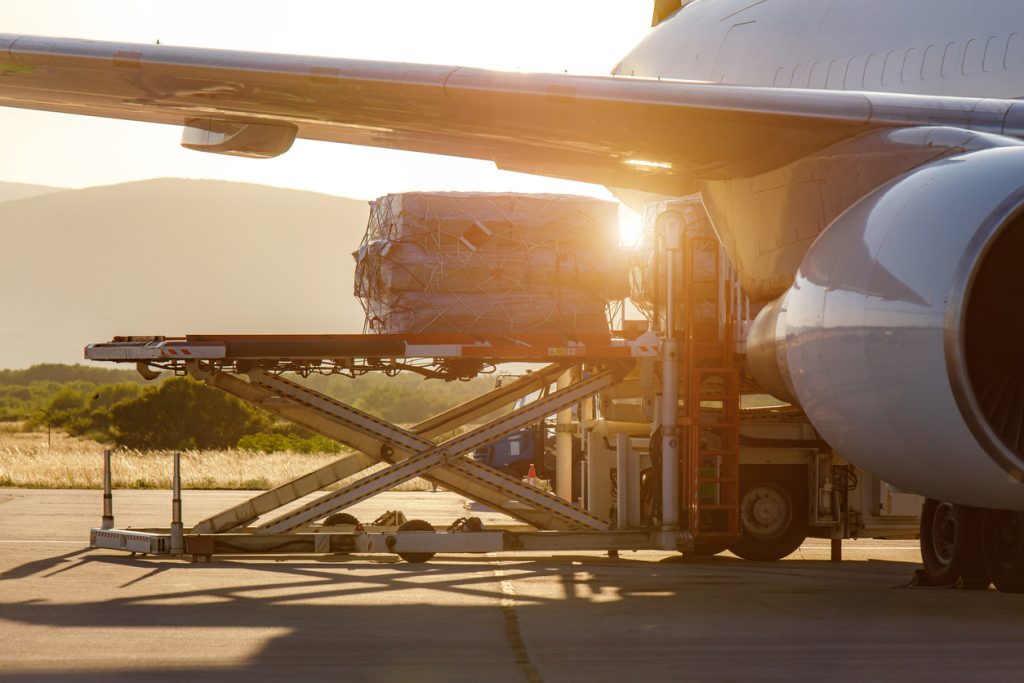
Air cargo can arrive in Nigeria within hours, but getting it out of the airport can take much longer when the paperwork is incomplete. That is why air freight entry filing in Nigeria is one of the most important parts of moving imported goods through the cargo terminal and into the hands of the consignee.
For businesses importing equipment, spare parts, electronics, fashion items, documents, or commercial samples, the filing stage affects how quickly customs processing can begin. A wrong description, inconsistent invoice value, or missing supporting document can turn an urgent shipment into several days of avoidable follow-up.
Travo.ng helps businesses and individuals coordinate air freight documentation, cargo movement, clearance support, and onward delivery within Nigeria.
What Happens Before Your Air Cargo Can Leave the Airport
When cargo arrives through airports such as Murtala Muhammed International Airport in Lagos or Nnamdi Azikiwe International Airport in Abuja, it cannot simply be collected from the airline warehouse.
The shipment details must first match the documents submitted for customs processing.
Depending on the cargo, the documentation may include:
- Commercial invoice
- Air waybill
- Packing list
- Import-related permits where required
- Product description and quantity
- Consignee information
- Supporting regulatory documents for controlled items
The exact requirements depend heavily on what is being imported. Machinery parts for a factory will not necessarily follow the same documentation process as pharmaceutical products, food items, or personal effects.
Where Air Freight Entry Filing in Nigeria Usually Goes Wrong
Many clearance problems begin before the aircraft even lands.
One common issue is vague cargo descriptions. Writing something like “parts” or “accessories” on an invoice may not provide enough information for proper classification. A more specific description reduces unnecessary questions during processing.
Another problem is inconsistency between the air waybill, invoice, and packing list. If the invoice shows 20 cartons but another document shows 18, the difference may need to be explained before clearance progresses.
Incorrect consignee details can also cause delays, particularly when a shipment is addressed to a business but the documentation supplied belongs to an individual.
For urgent cargo, these small errors matter. Storage charges can begin accumulating while documentation problems are being corrected.
Preparing Documents Before the Flight Arrives Saves Time
Businesses that regularly import by air usually prepare clearance documents before arrival instead of waiting until the cargo reaches Lagos or Abuja.
This gives the logistics team time to check descriptions, quantities, consignee information, invoice details, and any permits that may be required.
For example, a Lagos company expecting replacement machinery components from Europe may need the parts urgently to restart production. Waiting until arrival to identify a documentation problem could create an expensive operational delay.
Sending the documents ahead allows the freight and clearance process to be coordinated earlier.
Clearance Is Only Part of the Job
Successful air freight entry filing in Nigeria does not end when the cargo leaves the airport terminal.
The shipment still needs to reach its final destination safely.
A business receiving cargo at Lagos airport may require delivery to Ikeja, Lekki, Victoria Island, Apapa, or an industrial location around Ogun State. Some shipments arriving in Lagos may eventually need to move by road to Abuja, Port Harcourt, Benin City, Kano, or another state.
This is where coordinated logistics becomes useful.
Travo.ng can support cargo logistics, transport coordination, business deliveries, and interstate movement so customers do not have to manage separate providers for every stage of the shipment.
Give Your Logistics Team Accurate Information Early
Before sending air cargo to Nigeria, share the shipment documents as early as possible and make sure the description reflects what is actually inside the packages.
Also confirm the final delivery location before clearance begins. Knowing whether cargo is heading to a warehouse in Lagos, an office in Abuja, or a customer in another state helps the logistics team arrange the appropriate vehicle and delivery schedule.
For companies importing regularly, it is also useful to maintain consistent documentation procedures instead of starting from scratch with every shipment.
Travo.ng provides practical support for businesses and individuals who need air freight entry filing in Nigeria, cargo coordination, airport logistics, and delivery after clearance. Proper preparation at the documentation stage can make the difference between cargo that moves smoothly and a shipment that remains unnecessarily delayed at the terminal.
