


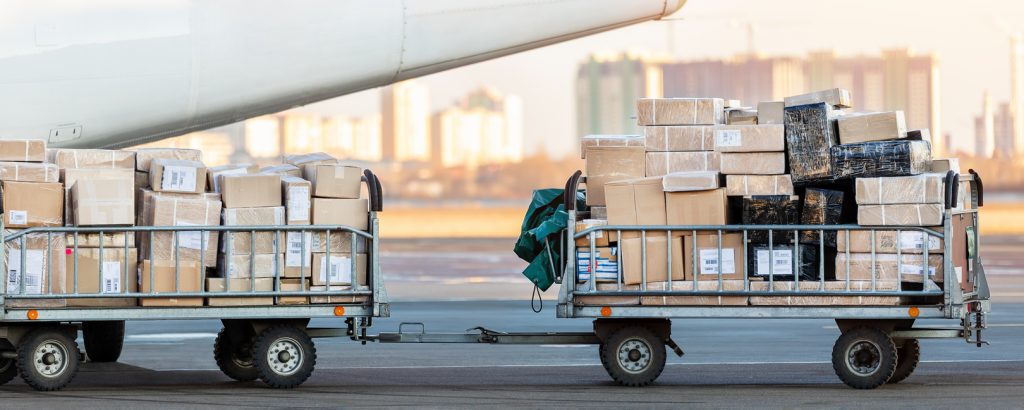
Anyone bringing goods into Nigeria by air quickly learns that the flight is only one part of the job. Once cargo lands, the bigger concern is often how fast it can move through the airport, where it will stay before clearance, and who will coordinate the final delivery.
For businesses searching for air cargo storage + customs Nigeria services, proper planning matters because delays can increase handling and storage charges. A shipment arriving at Murtala Muhammed International Airport in Lagos, for example, may require documentation checks, customs processing, terminal handling, temporary storage, and onward transport before it reaches the customer.
Travo.ng can help coordinate these stages so importers spend less time chasing different service providers.
What Happens to Air Cargo After It Lands in Nigeria
Air cargo does not normally move straight from the aircraft into a delivery van.
After arrival, shipments are transferred to the appropriate cargo terminal or handling facility. Importers or their clearing representatives then work through the required documentation and customs procedures before the goods can be released.
Depending on the shipment, this may involve checking:
- Airway bill details
- Commercial invoices
- Packing lists
- Import documentation
- Applicable duties and charges
- Cargo description and quantity
Incorrect information can create avoidable delays. A difference between the declared quantity and the physical cargo, for example, can hold up processing until the issue is resolved.
This is why experienced coordination is important when handling air freight through Lagos, Abuja, Port Harcourt, or other Nigerian entry points.
Air Cargo Storage Costs Can Rise Quickly
Temporary storage is sometimes unavoidable, especially when cargo arrives before documentation is complete.
However, leaving goods at an airport cargo facility longer than necessary can become expensive. Storage charges usually depend on factors such as cargo weight, shipment type, handling company, and the number of days the goods remain uncleared.
A business importing electronics into Lagos may be prepared for freight charges but still lose money because customs paperwork was not ready when the shipment arrived.
Good planning starts before the aircraft lands.
Importers should confirm that documents are available, the receiving party is reachable, clearance arrangements are in place, and transport has been planned for the moment the cargo is released.
Customs Clearance Should Be Planned Before Arrival
One of the most common mistakes with air cargo in Nigeria is waiting until the goods arrive before thinking about clearance.
Air freight is normally chosen because speed matters. That advantage disappears when a shipment spends several unnecessary days at the terminal.
Before arrival, confirm the shipment description, declared value, documentation requirements, consignee information, and any permits that may apply to the type of goods being imported.
For commercial shipments, working with experienced logistics support also reduces the risk of sending a driver to the airport before the cargo has actually been released.
Moving Cleared Cargo From the Airport
Customs release is not the end of the journey.
Once cargo has been cleared, somebody still needs to collect it and move it to the final destination. This could mean a warehouse in Ikeja, a shop on Lagos Island, a business in Lekki, or an interstate destination such as Ibadan, Benin City, Abuja, or Kano.
Vehicle choice matters here.
A few cartons may fit into a regular delivery vehicle, while heavier commercial cargo may require a van or truck. Businesses should also consider loading requirements, fragile goods, traffic conditions, and whether delivery must happen immediately after collection.
Travo.ng can coordinate cargo pickup, delivery, transport arrangements, and other business logistics support depending on the shipment.
Reducing Delays With Air Cargo Storage + Customs Nigeria Support
The easiest way to reduce airport cargo problems is to treat clearance, storage, and delivery as one connected process.
Before the shipment arrives:
- Confirm all shipping documents.
- Prepare for customs processing early.
- Verify where the cargo will be handled.
- Arrange pickup only after release is confirmed.
- Plan the right vehicle for final delivery.
This becomes especially important for businesses importing urgent stock, spare parts, equipment, samples, or customer orders.
With Travo.ng, businesses and individuals can coordinate air cargo storage + customs Nigeria requirements alongside cargo logistics, airport pickup, delivery, vehicle hire, and interstate transport support.
Instead of managing every stage separately, you can arrange a more organized movement from airport arrival to final delivery and reduce the risk of unnecessary storage time, missed pickups, and avoidable logistics costs.
