


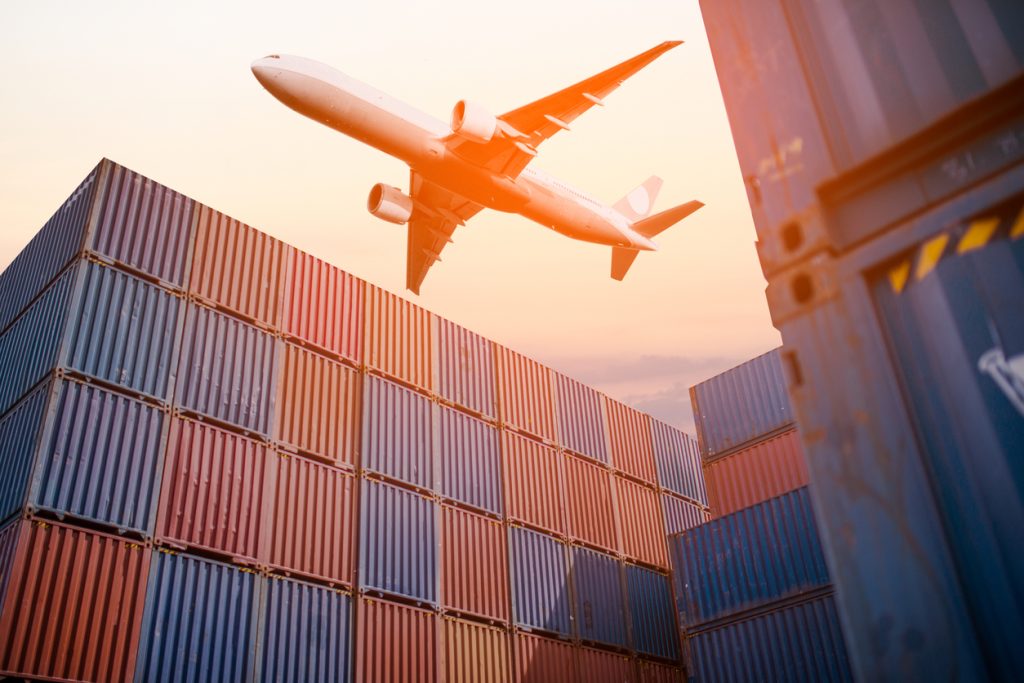
If you are importing goods by air, understanding air freight charges + customs Nigeria costs before the shipment leaves its origin can save you from unpleasant surprises at the airport.
The freight rate is only one part of what you may eventually pay. Importers also need to consider chargeable weight, airline handling, customs duties, terminal fees, documentation, clearing costs and final delivery from the airport.
For businesses bringing goods into Lagos or Abuja, knowing these costs early makes it easier to price products properly and avoid cargo sitting at the terminal because additional charges were not budgeted for.
How Air Freight Charges Are Actually Calculated
Air cargo is usually priced using either the actual weight of the shipment or its volumetric weight, whichever is higher.
A lightweight but bulky shipment can therefore cost more than expected.
For example, a carton weighing 35kg physically may occupy enough aircraft space to produce a chargeable weight of 55kg. The airline or freight forwarder will normally calculate the freight rate using the 55kg figure.
International air freight quotations may also include:
- Origin handling charges
- Airline freight charges
- Fuel or security surcharges
- Documentation fees
- Airport handling charges
- Destination terminal charges
This is why comparing quotations based only on a price per kilogram can be misleading. Always ask what the quoted amount covers.
What Customs Adds to Your Nigeria Import Cost
Understanding air freight charges + customs Nigeria requirements means looking beyond transportation.
When cargo arrives in Nigeria, Customs assessment depends on factors including the type of goods, declared value, applicable tariff classification and import documentation.
Two shipments with the same weight can therefore attract very different customs costs.
A 50kg shipment of ordinary clothing accessories, for example, will not necessarily have the same duty treatment as a 50kg shipment containing electronics or industrial components.
Importers should have accurate invoices, packing lists and product descriptions available before clearance starts. Poor descriptions such as simply writing “parts” or “items” can create unnecessary questions during assessment.
Why Cheap Freight Can Become Expensive After Arrival
One mistake Nigerian importers make is choosing the cheapest international freight quote without checking destination charges.
Imagine being quoted ₦420,000 to fly commercial goods into Lagos. If the quotation excludes terminal handling, Customs-related charges, clearing and delivery to your warehouse, your total landed logistics cost could be considerably higher.
Storage can also become a problem.
Cargo that remains uncleared at an airport cargo terminal may attract additional storage charges. Documentation problems, incorrect consignee details or delays in producing required clearance documents can therefore increase the final bill.
The safest approach is to understand the expected process before the aircraft lands.
Documents to Prepare Before Your Air Cargo Arrives
Depending on the cargo and transaction, your clearing team may require documents such as:
- Commercial invoice
- Packing list
- Air waybill
- Import documentation applicable to the goods
- Product permits or certificates where required
- Accurate consignee information
Regulated products may require additional approvals.
Do not assume that because an airline accepted a shipment abroad, it automatically satisfies every Nigerian import requirement.
Lagos Airport Cargo Clearance Needs Proper Coordination
Murtala Muhammed International Airport in Lagos handles significant international air cargo traffic, making Lagos a common destination for Nigerian importers.
Once cargo arrives, several activities may need to happen in sequence: document confirmation, terminal processing, Customs assessment, payment of applicable charges, examination where required, release and collection.
For a business waiting for stock in Ikeja, Lekki, Victoria Island or another part of Lagos, the job is not finished when Customs releases the shipment. Transportation from the cargo terminal to the customer’s warehouse, shop or office still has to be arranged.
Travo.ng can support businesses that need cargo logistics, transport coordination and delivery services after their shipments arrive, helping reduce the number of separate vendors involved.
Calculate the Landed Cost Before Shipping
Before approving an international shipment, ask for an estimate covering as much of the movement as possible.
Your calculation should consider international freight, customs-related costs, terminal charges, clearing expenses and local transportation.
Businesses importing repeatedly should also keep records of previous shipments. Comparing actual landed costs across suppliers, cargo types and shipping routes makes future budgeting much easier.
For urgent commercial cargo, samples, spare parts or business inventory, air freight can be far faster than sea freight, but speed comes at a premium.
Understanding air freight charges + customs Nigeria costs before booking helps you decide whether air shipping makes commercial sense.
If you also need cargo movement, airport collection, interstate delivery or business logistics support after clearance, Travo.ng can coordinate the next stage so your goods move from the airport to their final destination with fewer operational headaches.
