


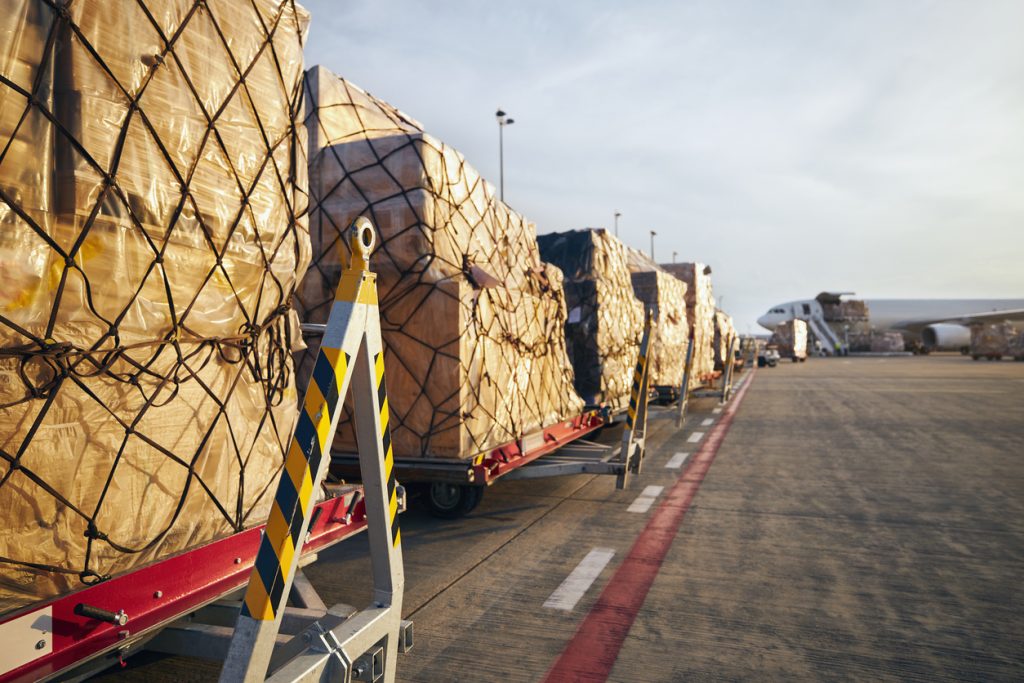
Getting goods into Nigeria by air is usually the fastest option for urgent shipments, but arrival at the airport does not mean the cargo is ready for collection. Customs clearance for air cargo Nigeria involves documentation checks, duty assessment, cargo inspection where required, terminal handling, and final release before the shipment can leave the airport.
For businesses importing spare parts, electronics, fashion items, medical equipment, documents, samples, or other time-sensitive goods, delays during clearance can quickly cancel out the advantage of using air freight.
Understanding what happens after your shipment lands can help you avoid unnecessary storage charges and missed delivery deadlines.
What Happens When Air Cargo Arrives in Nigeria
Most international air cargo entering Lagos is processed through cargo terminals around Murtala Muhammed International Airport. Shipments may also arrive through Abuja or other approved entry points depending on the airline and freight arrangement.
Once the aircraft lands, the cargo is transferred to the relevant terminal while the importer or appointed clearing representative begins the release process.
Typical steps include:
- Confirming the airway bill and shipment details
- Reviewing commercial invoices and packing lists
- Processing the appropriate customs declaration
- Determining applicable import duties and taxes
- Completing inspection or examination where required
- Paying terminal and handling charges
- Obtaining customs and terminal release
- Arranging collection and onward delivery
A straightforward shipment with complete documentation may move relatively quickly. Problems usually begin when shipment information does not match the documents submitted.
Documents That Commonly Cause Clearance Delays
Good air cargo customs clearance in Nigeria starts before the goods leave the country of origin.
The commercial invoice should clearly describe what is being shipped, the quantity, value, seller, and buyer. Descriptions such as “accessories,” “samples,” or “equipment” can create problems when customs officers need more specific information to classify the goods.
Depending on the shipment, other documentation may include an airway bill, packing list, Form M, PAAR, certificates, permits, or product-specific approvals.
For example, importing regulated food, pharmaceutical, chemical, communication, or electrical products may involve additional agencies or documentation.
Sending cargo first and trying to resolve missing approvals after arrival can lead to days of avoidable storage.
How Long Customs Clearance for Air Cargo Nigeria Can Take
There is no single clearance time for every shipment.
A properly documented, uncomplicated cargo consignment can sometimes be processed within one to three working days after the required documents and charges are available. Shipments requiring physical examination, valuation queries, permits, or document corrections can take longer.
Timing also depends on when the flight arrives.
Cargo landing late on Friday may not move through every stage as quickly as cargo received early in the working week. Public holidays, peak import periods, system downtime, and heavy terminal activity can also affect release timelines.
This is why businesses importing urgently needed stock should avoid promising customers delivery based only on the airline’s arrival date.
What You May Pay Beyond the Freight Charge
Air freight charges cover transportation to Nigeria, not necessarily the full cost of getting your cargo out of the airport.
Additional expenses can include customs duties, taxes, terminal handling, documentation charges, examination-related expenses, clearing fees, and local transportation.
Storage is particularly important.
When cargo remains inside a terminal beyond the available free period, daily storage costs can start accumulating. A documentation problem that takes several days to resolve can therefore become much more expensive than fixing the paperwork before shipment.
Businesses should request a realistic landed-cost estimate rather than budgeting only for international freight.
Arrange Clearance and Delivery Before the Shipment Lands
One of the easiest ways to reduce airport delays is to prepare while the cargo is still in transit.
Share the airway bill, invoice, packing list, product description, expected arrival date, and any required approvals with the team handling your clearance.
This gives them time to identify obvious problems before the shipment reaches Nigeria.
Travo.ng can support businesses and individuals who need practical coordination around customs clearance for air cargo Nigeria, cargo logistics, airport collection, and onward delivery.
After release, goods can be moved from the airport to locations across Lagos or arranged for onward transportation to destinations such as Abuja, Ibadan, Port Harcourt, Benin City, or other parts of Nigeria.
Avoid Treating Airport Arrival as the Final Step
A shipment can arrive in Lagos on Tuesday and still remain at the cargo terminal several days later if its documents, valuation, permits, or customs requirements are unresolved.
Plan the clearance process as carefully as the flight itself.
For importers handling urgent commercial goods, samples, equipment, or regular business shipments, having customs documentation, clearance coordination, and final delivery organised before arrival can save both time and money.
Travo.ng can help coordinate the movement from airport arrival through cargo clearance and delivery, giving you one practical route for getting imported goods from the terminal to their final destination.
