


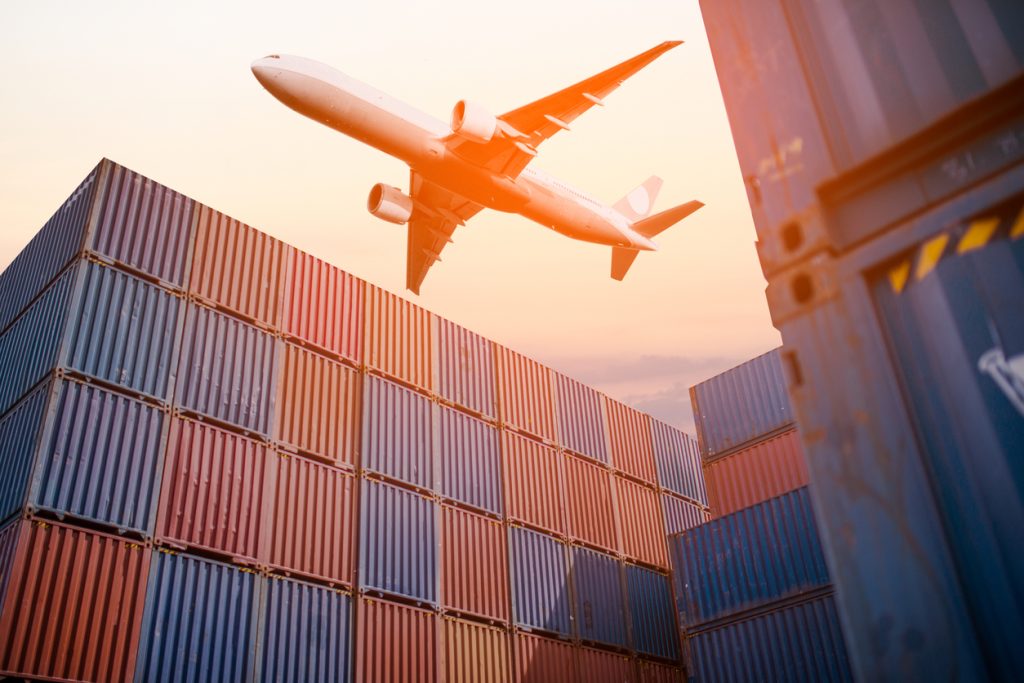
Getting cargo into Nigeria by air is often the easy part. The real challenge begins when the shipment lands and customs clearance has to be completed before the goods can leave the airport.
For businesses, importers, online sellers, and individuals bringing urgent goods into the country, delays can quickly become expensive. Storage charges can increase, customers may start asking questions, and time-sensitive items can lose their value.
Understanding how air freight customs clearance Nigeria works helps you prepare properly and avoid many of the problems that keep shipments sitting at the airport longer than necessary.
What Happens When Your Air Cargo Arrives in Nigeria?
Most international air cargo entering Nigeria comes through major airports such as Murtala Muhammed International Airport in Lagos or Nnamdi Azikiwe International Airport in Abuja.
Arrival does not mean the shipment is immediately available for collection.
The cargo normally has to go through documentation review, customs assessment, applicable duty and tax payment, possible inspection, and final release before it can be moved out of the cargo terminal.
For straightforward shipments with complete documentation, clearance may move relatively quickly. Complicated cargo, incorrect declarations, missing permits, valuation questions, or documentation errors can extend the process considerably.
This is why experienced coordination matters.
Documents That Commonly Cause Clearance Delays
Many air freight delays start before the aircraft even lands.
Commercial shipments may require documents such as:
- Air Waybill
- Commercial invoice
- Packing list
- Form M where applicable
- PAAR documentation where required
- Product permits or certificates for regulated goods
- Evidence of payment or supporting transaction documents
The exact requirements depend on what you are importing.
For example, clearing machinery parts is different from clearing food products, cosmetics, medical items, electronics, or commercial samples. Certain categories may require approvals from agencies such as NAFDAC, SON, or other relevant authorities.
A small error in product description, quantity, value, or classification can create unnecessary back-and-forth.
How Long Does Air Freight Customs Clearance Take?
There is no reliable one-size-fits-all answer.
A properly documented shipment may sometimes be processed within a few working days, while complicated consignments can take longer.
Timing usually depends on:
- Accuracy of documentation
- Nature and value of the goods
- Customs classification
- Whether physical inspection is required
- Regulatory approvals
- Payment processing
- Cargo terminal operations
- Weekend and public holiday schedules
Businesses importing urgent stock should avoid promising customers a delivery date based only on the aircraft arrival time.
Build customs processing and last-mile movement into your delivery schedule.
The Costs Importers Often Forget to Budget For
When planning air freight customs clearance Nigeria, many people focus only on the freight charge and customs duty.
The total cost may also include handling charges, terminal fees, documentation costs, clearing-related expenses, storage, transportation from the airport, and other charges connected to the specific shipment.
Storage is especially important.
If goods remain uncleared because paperwork is incomplete, additional charges can accumulate while the cargo is still occupying warehouse space.
Before shipping, ask for a realistic estimate covering the movement from origin through airport clearance and onward delivery.
Why Lagos Air Cargo Can Become Complicated After Clearance
Clearing the shipment is only part of the job.
Once cargo is released at the Lagos airport cargo terminal, someone still needs to collect and move it to the final destination.
That destination could be a warehouse in Ikeja, an office in Victoria Island, a shop on Lagos Island, a customer in Lekki, or another state entirely.
Traffic around Ikeja, Oshodi, Apapa-linked routes, and other busy Lagos corridors can affect collection and delivery timing.
For larger cargo, the appropriate vehicle also needs to be arranged before collection. Sending an unsuitable vehicle can create another delay after clearance has already been completed.
Travo.ng can help coordinate cargo logistics, vehicle arrangements, interstate transport, and delivery after airport release, reducing the number of different providers an importer has to manage.
Common Mistakes That Make Air Freight Clearance Harder
One frequent mistake is shipping first and checking import requirements later.
Another is describing goods too casually on invoices. Descriptions such as “parts,” “samples,” or “accessories” may not provide enough information for smooth processing.
Importers should also avoid assuming that every product can enter Nigeria without additional regulatory approval.
Before sending valuable or urgent cargo, confirm the product requirements, prepare the correct documents, and establish who will manage clearance before the shipment departs.
It is much easier to correct documentation before cargo leaves London, Dubai, Guangzhou, Istanbul, or another origin city than after it is already waiting in Lagos.
Coordinating Clearance and Delivery Through Travo.ng
Air cargo movement works best when customs processing and final delivery are treated as one logistics operation rather than two unrelated jobs.
Travo.ng can support businesses and individuals that need practical coordination around cargo logistics, airport collection, delivery services, vehicle hire, interstate movement, and business logistics support.
If your shipment is arriving in Lagos or Abuja, sharing the cargo details early makes planning easier. Provide information about the goods, weight, dimensions, arrival airport, expected arrival date, available documents, and final delivery destination.
Good preparation will not remove every possible customs delay, but it significantly reduces avoidable ones.
For importers dealing with air freight customs clearance Nigeria, the most effective approach is simple: prepare the paperwork before departure, understand the likely charges, plan for clearance time, and arrange the onward delivery before the cargo is released.
