


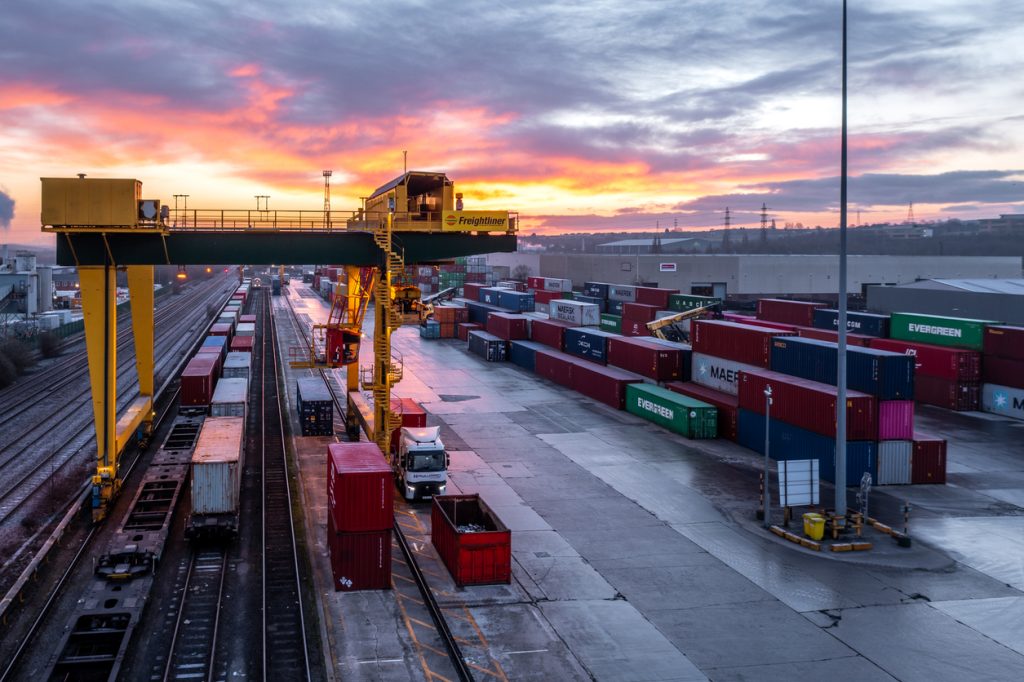
Importing machinery, industrial tools, spare parts, or technical equipment into Nigeria is rarely as simple as getting the goods onto a vessel and waiting for delivery. The real challenge often begins when the shipment reaches the port.
For companies searching for engineering goods clearance Nigeria services, delays can become expensive very quickly. Storage charges, incomplete documentation, classification disputes, terminal handling, and transport arrangements can all affect how soon equipment reaches the factory, construction site, workshop, or warehouse.
Travo.ng helps businesses coordinate cargo clearance and onward logistics so imported engineering goods can move from Nigerian ports to their final destination with fewer unnecessary complications.
Know Exactly What You Are Importing Before Shipment
Engineering cargo covers a wide range of products. A shipment may contain generators, pumps, compressors, electrical panels, fabrication equipment, machine components, workshop tools, industrial valves, or replacement parts.
These products are not always treated the same during clearance.
One common problem occurs when an importer uses a broad description such as “machine parts” on commercial documents. Customs classification depends on what the item actually is, what it is made from, and how it will be used.
Before shipping, make sure your invoice and packing list clearly identify:
- Equipment names and models
- Quantity and unit value
- Country of origin
- Technical specifications where necessary
- Gross and net weight
- Individual package details
Clear documentation makes it easier for your clearing team to prepare before the cargo arrives.
Where Engineering Goods Clearance in Nigeria Often Slows Down
Many industrial shipments enter Nigeria through Apapa Port, Tin Can Island Port, or other designated cargo terminals. Airfreighted components may also arrive through Lagos or Abuja airports when a company urgently needs replacement parts.
Delays usually happen when documentation and physical cargo do not match.
For example, a Lagos manufacturing company importing a production machine may have the main equipment packed separately from motors, control units, and accessories. If the packing list does not clearly explain the different components, inspection can take longer than expected.
Other delays may come from documentation issues, duty assessment, terminal processes, inspection requirements, or difficulty arranging trucks once the consignment is released.
This is why clearance planning should start before the shipment reaches Nigeria.
Heavy Equipment Needs More Than Customs Clearance
Getting a machine released from the port is only part of the job.
A large industrial unit may require a suitable flatbed truck, low-bed trailer, crane, forklift, or other handling arrangement before it can leave the terminal safely.
Suppose an engineering company is moving equipment from Apapa to an industrial facility in Ogun State. The logistics team must consider the equipment dimensions, loading requirements, truck accessibility at the destination, traffic conditions, and whether unloading equipment will be available when the vehicle arrives.
Travo.ng can support cargo logistics and transport coordination alongside the clearance process, reducing the risk of having cleared equipment waiting unnecessarily because transportation was arranged too late.
Budget Beyond Import Duty
Businesses sometimes calculate their import cost using only the supplier price, freight charges, and expected customs duty.
That can leave important expenses out of the budget.
Depending on the shipment, additional costs may include terminal handling, examination-related expenses, storage, documentation, haulage, loading equipment, and delivery to the final location.
Demurrage or storage is particularly important. When cargo remains at a terminal longer than planned, charges can accumulate and significantly increase the landed cost of relatively ordinary engineering components.
Ask for a proper logistics estimate before shipment whenever possible rather than waiting until the goods arrive.
Urgent Spare Parts Require a Different Approach
Not every engineering shipment is a full container of machinery.
Sometimes a factory in Ikeja, Agbara, Aba, or Port Harcourt has a failed production component and needs a replacement urgently. In that situation, air cargo may make more operational sense than sea freight, even when the freight cost is higher.
The important question is the cost of downtime.
If a production line is losing money every day, spending more to fly in a critical component and arrange rapid clearance may be cheaper than waiting weeks for conventional sea freight.
Travo.ng can help coordinate cargo movement, airport pickup, delivery, and business logistics depending on the shipment and destination.
Plan the Final Delivery Before the Goods Arrive
Successful engineering goods clearance Nigeria operations should end with the equipment where it is actually needed, not simply outside the port gate.
Before arrival, confirm where the cargo will be delivered, what vehicle can enter the premises, who will receive it, and what equipment is required for unloading.
For businesses importing machinery, technical equipment, spare parts, or industrial cargo, Travo.ng provides practical support for clearance coordination, cargo logistics, transport arrangements, and delivery across Nigeria. Planning the complete movement in advance can save considerably more time and money than trying to solve each stage after the shipment lands.
