


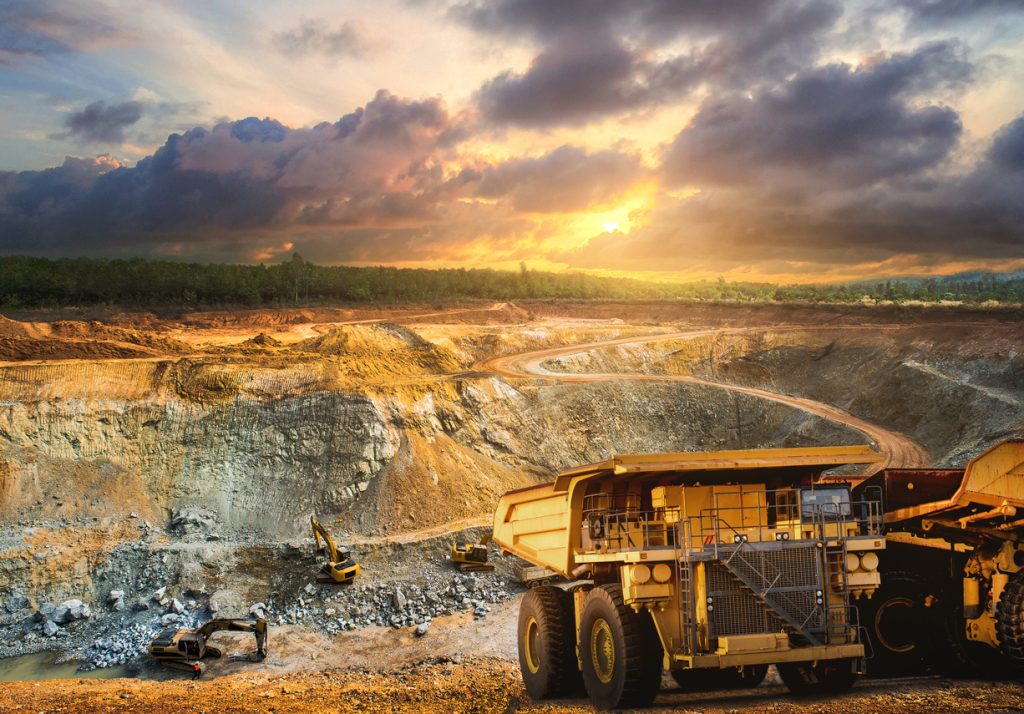
Importing mining machinery into Nigeria involves more than getting equipment onto a vessel and waiting for it to arrive. For companies bringing in excavators, drilling rigs, crushers, pumps, generators, processing units, or replacement parts, the difficult stage often begins when the cargo reaches the port.
A well-managed mining equipment clearance Nigeria process must coordinate documentation, customs procedures, terminal handling, equipment evacuation, and onward transport without unnecessary delays.
This matters because mining equipment is usually heavy, expensive, and time-sensitive. Every extra day at the terminal can affect project schedules and increase storage, demurrage, haulage, and equipment standby costs.
What Usually Delays Mining Equipment at Nigerian Ports
Many clearance problems start before the vessel reaches Nigeria.
Incorrect HS codes, incomplete shipping documents, differences between invoice descriptions and physical cargo, or poorly prepared import documentation can create delays during assessment and examination.
For mining companies, the risk becomes higher when equipment arrives as oversized cargo, containerised machinery, multiple spare-part consignments, or break-bulk shipments.
Before arrival, importers should confirm documents such as:
- Commercial invoice
- Packing list
- Bill of lading
- Relevant import documentation
- Equipment descriptions and specifications
- Regulatory approvals where applicable
- Cargo insurance documentation
Documentation should match the actual shipment as closely as possible. Calling a specialised drilling component simply “machine parts,” for example, may create unnecessary questions during inspection.
Mining Equipment Clearance Nigeria Requires Transport Planning Too
Clearing the cargo is only one part of the operation.
Heavy machinery leaving Lagos ports may eventually be heading to mining operations in states such as Kogi, Nasarawa, Niger, Kaduna, Plateau, Zamfara, or other mineral-producing locations.
That means transport arrangements should ideally be prepared before clearance is completed.
A standard parcel truck cannot move a 25-tonne excavator or oversized crusher. Depending on dimensions and weight, the operation may require low-bed trailers, flatbeds, lifting equipment, escorts, route assessment, or staged movement.
Travo.ng can coordinate cargo logistics and suitable transport arrangements so that cleared equipment does not remain at the port while the importer begins searching for a truck.
What Mining Companies Should Budget Beyond Customs Charges
One common mistake is budgeting only for duties and clearance fees.
The real landed logistics cost can also include terminal charges, handling, documentation, storage, haulage, lifting, escort requirements, and delivery to the final mining location.
For example, moving heavy equipment from Lagos to a mining site around Abuja or Nasarawa will cost considerably more than moving ordinary palletised cargo. Trailer type, equipment dimensions, loading requirements, diesel prices, route conditions, and delivery distance all affect the final transport quote.
Because these variables change, companies are better served by requesting a shipment-specific assessment rather than relying on a generic clearance price.
Avoid Waiting Until the Cargo Arrives
For large mining imports, preparation should begin while the equipment is still in transit.
Shipping documents can be reviewed early. Equipment dimensions can be shared with the transport team. The proposed delivery route can be assessed. Suitable trailers and lifting arrangements can also be identified before the cargo becomes available for evacuation.
This reduces the common situation where equipment has technically been cleared but remains inside the terminal because transport was not properly organised.
For businesses importing several machines for a new mining project, coordinating clearance and evacuation as one operation can also make project scheduling easier.
Moving Equipment From the Port to the Mining Site
The final delivery stage requires careful coordination, particularly for remote locations.
Some mining sites are far from major highways, while access roads may become difficult during heavy rains. A transporter that can comfortably reach Lokoja, for instance, may still face significant challenges during the final kilometres to a rural project site.
Travo.ng can support businesses with mining equipment clearance Nigeria, cargo movement, interstate transport coordination, vehicle hire, and broader business logistics requirements.
Instead of managing separate providers for clearance, terminal evacuation, heavy transport, and final delivery, mining companies can coordinate the movement through a more organised logistics process.
For expensive machinery, the objective is straightforward: clear the equipment correctly, move it out of the port as quickly as practical, and deliver it safely to where the mining operation actually needs it.
