


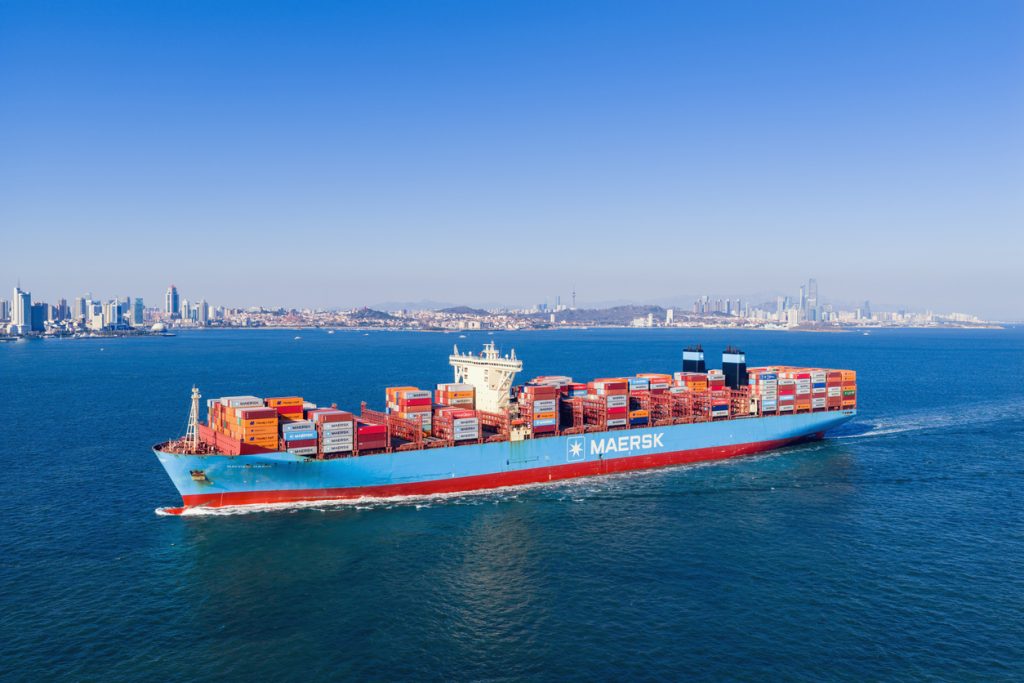
Importing marine equipment into Nigeria can become expensive very quickly when documentation, port handling, customs clearance, and onward transportation are not properly coordinated. For businesses bringing in engines, pumps, navigation systems, vessel parts, generators, safety equipment, or other marine machinery, clearing the cargo is only one part of the job.
A reliable marine equipment clearing Nigeria service should help you understand what is required before the shipment arrives, handle the clearance process efficiently, and arrange safe transportation from the port to your final destination.
At Travo.ng, marine cargo movements can be coordinated alongside customs clearing support, cargo logistics, haulage, and delivery arrangements, helping importers avoid managing several unrelated service providers.
What Happens Before Your Marine Equipment Reaches the Port
Successful clearing usually starts before the vessel arrives in Nigeria.
Importers should have documents such as the commercial invoice, packing list, bill of lading, Form M documentation where applicable, PAAR, and relevant permits ready early. The exact requirements depend on the equipment being imported and its classification.
Problems often begin when the description on the shipping documents does not properly match the actual equipment. A marine engine described vaguely as “machine parts,” for example, may attract additional questions during assessment or examination.
Before shipping, it is useful to confirm:
- The correct HS classification
- Whether the equipment requires special regulatory approval
- The weight and dimensions of the cargo
- Whether it will arrive in a container or as break-bulk cargo
- The expected terminal and shipping line charges
- The type of truck or lifting equipment required after clearance
Doing this early reduces avoidable delays once the cargo reaches Lagos or another Nigerian port.
Clearing Marine Equipment Through Lagos Ports
Many imported marine components enter Nigeria through terminals around Apapa and Tin Can Island.
Once the shipment arrives, clearing may involve customs assessment, payment of applicable duties and charges, terminal processing, examination, shipping line documentation, and release procedures.
Large equipment may require additional planning because it cannot simply be loaded onto a regular delivery van. A heavy marine generator, engine block, propeller assembly, or deck equipment may need a flatbed truck, crane, forklift, or low-bed trailer.
This is where coordinated marine equipment clearing Nigeria becomes important. Clearing the shipment without arranging evacuation can still leave the importer paying storage charges while searching for suitable transportation.
Travo.ng can help coordinate cargo movement from the port to warehouses, shipyards, industrial facilities, waterfront locations, and other destinations.
How Long Marine Equipment Clearance Can Take
There is no single clearance timeline that applies to every shipment.
A properly documented shipment can move relatively smoothly, while cargo with valuation questions, documentation errors, regulatory issues, or delayed examinations may take considerably longer.
Importers should also remember that weekends, public holidays, port congestion, terminal operations, and truck availability can affect delivery schedules.
For equipment needed for an urgent vessel repair, even a few additional days can be costly. Companies operating boats, offshore support vessels, fishing vessels, ferries, or marine construction equipment should therefore begin clearance planning before the cargo arrives.
Costs That Importers Should Budget For
The total cost of clearing marine equipment depends heavily on the shipment.
Apart from customs duties and taxes where applicable, an importer may need to budget for terminal charges, shipping line charges, documentation, examination-related handling, storage, lifting, trucking, and delivery.
Oversized or unusually heavy cargo may cost significantly more to move than standard containerized goods because specialised equipment is required.
Rather than relying on a vague clearing estimate, provide your logistics provider with the bill of lading, invoice, packing list, equipment description, weight, dimensions, and delivery location. This makes it easier to estimate the real cost of getting the equipment from the port to its final destination.
Avoid Clearing the Cargo Without Planning the Delivery
One common mistake is treating customs clearance and inland transportation as completely separate jobs.
Imagine clearing a six-tonne marine engine at Apapa only to discover that the truck originally arranged cannot safely carry it. The equipment remains at the terminal while another vehicle is sourced, increasing both delay and handling costs.
A better approach is to coordinate the entire movement.
Travo.ng can support importers with cargo logistics, transport coordination, interstate delivery, vehicle arrangements, and business logistics support after clearance. Marine equipment destined for locations outside Lagos can also be planned for onward movement to places such as Port Harcourt, Warri, Onne, Calabar, or other operational bases.
Get Your Marine Equipment Cleared and Delivered Properly
Marine imports often involve valuable equipment that businesses cannot afford to leave sitting unnecessarily at the port.
If you need marine equipment clearing Nigeria support, Travo.ng can help coordinate the process from documentation and cargo handling to transportation and final delivery.
The earlier the shipment details are reviewed, the easier it becomes to identify possible issues before they turn into expensive port delays. Whether you are importing vessel components, marine machinery, replacement parts, or specialised equipment, Travo.ng can help you plan the movement from arrival to final destination.
