


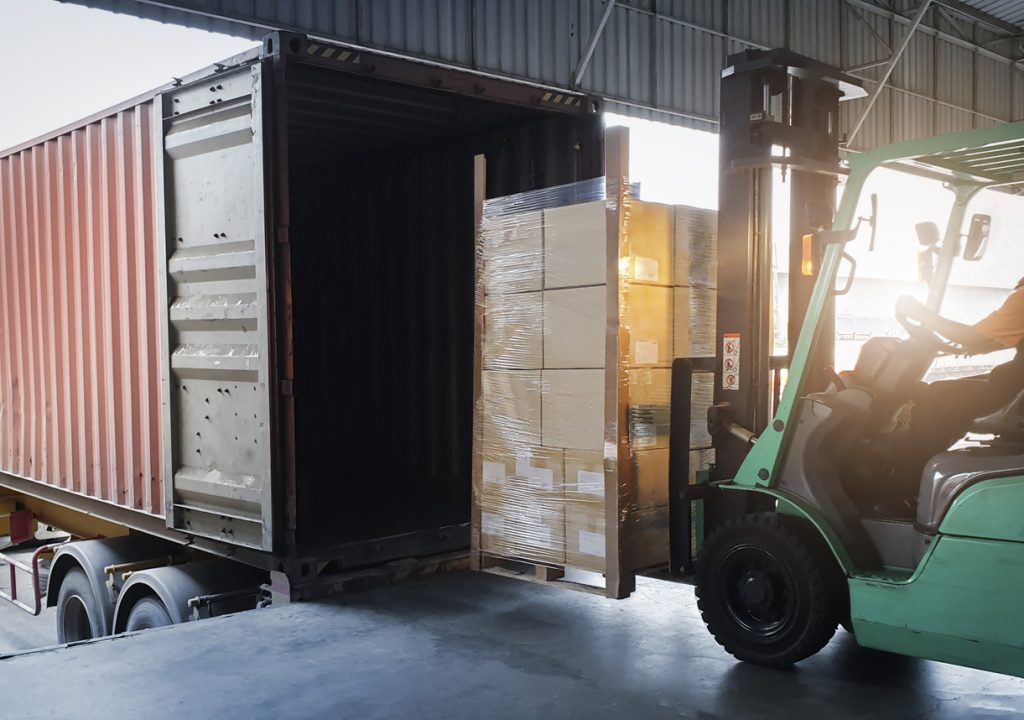
If you are importing goods through Lagos, Port Harcourt, or another Nigerian entry point, one of the first questions you will probably ask is how much to clear cargo in Nigeria.
There is no single clearing fee that applies to every shipment. Two importers bringing goods into the same port can pay very different amounts depending on the type of cargo, declared value, shipping method, documentation, duties, terminal charges, and how quickly the shipment is processed.
Understanding these costs before your cargo arrives can save you from unexpected expenses and expensive delays.
What Actually Determines Your Cargo Clearing Cost
The biggest factor is the type and value of the goods you are importing. Customs duties are generally assessed using information such as the cargo classification, customs value and applicable import charges.
For example, clearing machinery will not necessarily cost the same as clearing clothing, vehicle parts, electronics or household goods.
Your total expense can include:
- Customs duty and applicable taxes
- Shipping line charges
- Terminal handling charges
- Clearing agent fees
- Documentation expenses
- Inspection-related costs where applicable
- Storage or demurrage when cargo stays too long
- Transport from the port or terminal to the final destination
This is why experienced importers normally calculate beyond the basic customs duty.
How Much Should You Budget for Cargo Clearance
For smaller commercial shipments, clearing and associated local charges may run from tens of thousands of naira into several hundred thousand naira.
Larger containerised shipments can cost considerably more.
A 20-foot or 40-foot container carrying commercial goods may attract costs running into hundreds of thousands or several millions of naira once duties, terminal charges, shipping line fees, clearing expenses and inland transportation are combined.
The actual figure depends heavily on the cargo.
Someone importing industrial equipment worth millions of naira should not use the clearing budget of another importer bringing a relatively small shipment of low-value consumer products.
Before paying a supplier abroad, it is better to estimate the landed cost of the cargo, not just the purchase price and freight.
Why Delays Can Make Clearing Much More Expensive
One mistake importers make is waiting until cargo has already arrived before arranging documentation or engaging someone to coordinate clearance.
Port delays can quickly become expensive.
If a container remains at the terminal beyond the permitted period, storage charges can begin accumulating. Shipping lines may also charge demurrage when their containers are not returned within the allowed free period.
A paperwork problem that appears minor can therefore add significantly to your overall shipping cost.
Documents commonly needed may include the commercial invoice, packing list, bill of lading or airway bill, Form M documentation and other import-related paperwork depending on the goods.
Getting these organised early makes the process easier.
Air Cargo and Sea Cargo Do Not Cost the Same to Clear
Air freight normally reaches Nigeria faster, but freight rates can be considerably higher.
For smaller, urgent shipments arriving through airports such as Murtala Muhammed International Airport in Lagos or Nnamdi Azikiwe International Airport in Abuja, air cargo may still make commercial sense.
Sea freight is generally more suitable for bulky goods and container shipments.
However, importers using Apapa or Tin Can Island ports should also budget for moving the cleared cargo through Lagos traffic to warehouses in places such as Ikeja, Trade Fair, Alaba, Lekki or locations outside Lagos.
That final movement is part of the real logistics cost.
Get a Proper Estimate Before Your Cargo Arrives
When asking how much to clear cargo in Nigeria, provide as much shipment information as possible.
Useful details include:
- Type of goods
- Quantity and weight
- Invoice value
- Country of origin
- Air or sea freight
- Container size where applicable
- Nigerian destination after clearance
With these details, it becomes easier to estimate potential charges and plan transportation after clearance.
Travo.ng can support businesses and individuals that need practical cargo logistics, delivery coordination, transport arrangements and interstate movement of goods after their shipments arrive in Nigeria.
Instead of treating cargo clearance as an isolated expense, plan the complete journey from the port or airport to your shop, office, warehouse or customer.
That approach gives you a much clearer picture of what importing the goods will actually cost.
