


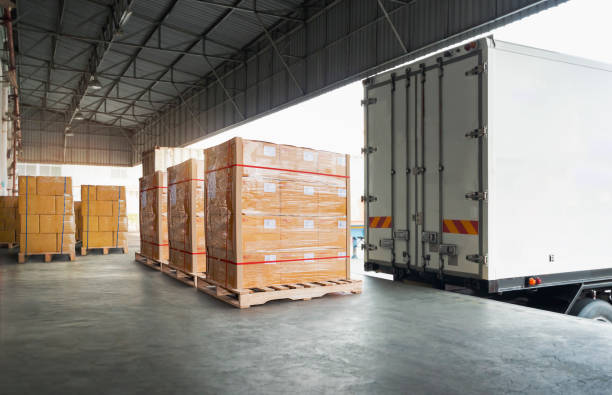
Getting imported goods into Nigeria is only one part of the shipping process. For many importers, the real pressure starts when the cargo arrives at the port or airport and needs to pass through customs before it can move to its final destination.
The process of cargo release from customs Nigeria can involve documentation checks, duty assessment, inspections, terminal procedures, and coordination with clearing and transport teams. A delay at any stage can increase storage charges and disrupt business plans.
At Travo.ng, we understand that importers often need more than customs clearance information. They also need reliable coordination for cargo pickup, transport, and delivery once the shipment is released.
What Usually Happens Before Customs Releases Your Cargo
Cargo does not simply arrive in Nigeria and leave the port immediately. Several processes normally have to be completed before release.
Depending on the type of shipment, these may include:
- Submission and verification of import documents
- Customs declaration and assessment
- Payment of applicable duties and charges
- Physical examination or other required checks
- Terminal or airline handling procedures
- Confirmation that the shipment is cleared for collection
The exact process can vary depending on whether your goods arrive through Apapa Port, Tin Can Island Port, Murtala Muhammed International Airport, or another Nigerian entry point.
Problems often arise when information on the shipping documents does not match the actual cargo or when required documents are unavailable.
Documents You Should Prepare Before the Cargo Arrives
Good preparation can reduce unnecessary delays.
Importers should make sure that relevant documents are available early. Depending on the shipment, these may include the bill of lading or airway bill, commercial invoice, packing list, import documentation, and other approvals required for the specific goods.
Do not wait until your cargo is already accumulating storage charges before checking whether your paperwork is complete.
Businesses importing equipment, electronics, raw materials, spare parts, or commercial stock should also ensure that whoever is handling the clearance has accurate details about the shipment.
A small mistake in quantity, description, value, consignee information, or supporting documents can create avoidable complications.
Why Cargo Sometimes Stays Longer Than Expected
When customers hear that a vessel has arrived in Lagos, they sometimes expect their cargo to be available immediately.
In practice, arrival does not mean immediate release.
Customs procedures, terminal operations, documentation problems, congestion, inspections, payment confirmation, and availability of transport can all affect the final collection time.
This becomes particularly important when cargo is needed urgently for a factory, construction project, retail business, or customer order.
Planning the movement after customs clearance is therefore just as important as planning the clearance itself.
Arrange Transport Before Your Cargo Is Finally Released
One common mistake is waiting until customs release is confirmed before searching for a vehicle.
That can create another delay.
If you already know the approximate size, weight, and destination of your shipment, transport arrangements can be prepared while clearance is ongoing.
For example, cargo leaving Lagos may need to move to:
- Abuja
- Ibadan
- Abeokuta
- Benin City
- Port Harcourt
- Onitsha
- Enugu
- Kano
The vehicle required for a few cartons is very different from what is needed for palletised goods, machinery, or several tonnes of commercial cargo.
Travo.ng can help coordinate suitable transport and cargo logistics based on the shipment and destination.
Moving Cargo From the Port to Its Final Destination
Customs release is not the end of the job.
Once the goods are available for collection, there is still the question of loading, vehicle coordination, route planning, delivery timing, and receiving arrangements at the destination.
For businesses, poor coordination at this stage can mean a cleared shipment spends unnecessary time waiting for transport.
Travo.ng provides cargo logistics and transport coordination for customers who need goods moved after clearance. This can include interstate cargo movement, business deliveries, vehicle arrangements, and support with getting shipments from Lagos logistics hubs to customers or company locations across Nigeria.
Avoid These Common Cargo Clearance Mistakes
Many avoidable delays start before the shipment even arrives.
Watch out for incomplete documentation, incorrect cargo descriptions, poor communication with the clearing team, waiting too long to arrange transport, and failing to confirm who will receive the goods at the final destination.
Businesses importing regularly should also keep proper records of previous shipments. This makes it easier to identify recurring documentation or transport problems.
Need Help Moving Your Cargo After Customs Release?
Successfully completing cargo release from customs Nigeria requires more than getting approval to take goods out of the port or airport. The shipment still needs to move safely and efficiently to where it is needed.
Travo.ng helps customers coordinate cargo transportation, interstate logistics, delivery services, vehicle hire, and business logistics support across Nigeria.
Whether you are moving imported stock from Lagos to Abuja, sending commercial goods to another state, or arranging transport immediately after clearance, you can use Travo.ng to organise the next stage of the journey without dealing with multiple transport providers yourself.
