


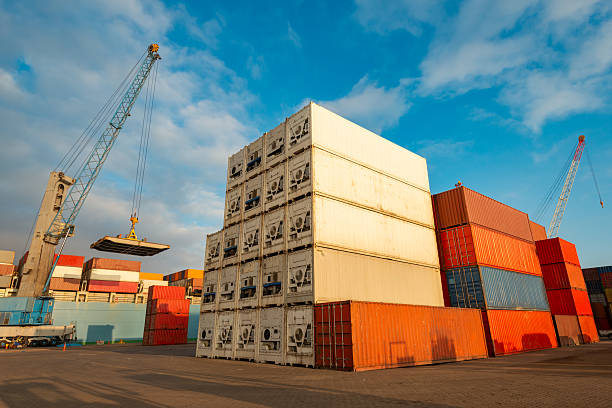
Hazardous cargo clearance in Nigeria requires more than simply presenting shipping documents and waiting for cargo to leave the port. Dangerous goods are handled differently because mistakes in documentation, classification, storage, or transportation can create serious safety and regulatory problems.
Importers dealing with chemicals, industrial materials, batteries, petroleum-related products, laboratory supplies, paints, aerosols, or other regulated goods need to plan the clearance process before the shipment arrives.
Travo.ng helps businesses coordinate cargo logistics, documentation, transportation, and movement after clearance so that sensitive shipments do not remain unnecessarily delayed.
What Makes Hazardous Cargo Different at Nigerian Ports
Hazardous shipments usually attract closer attention than ordinary commercial cargo. The exact requirements depend on the product, its classification, packaging, port of entry, and the agencies responsible for regulating it.
A shipment may require documents such as:
- Commercial invoice
- Packing list
- Bill of lading or airway bill
- Safety Data Sheet
- Dangerous goods declaration
- Product permits or approvals where applicable
- Import documentation and customs declarations
One common problem is waiting until the cargo reaches Lagos or another entry point before checking whether the documents match the physical goods.
For example, if an industrial chemical is described differently across the invoice, shipping documents, and safety documentation, clarification may be required before clearance can continue.
Why Proper Cargo Classification Matters Before Shipping
Dangerous goods are grouped according to the risks they present during transportation and handling.
This can include flammable substances, corrosive materials, gases, toxic products, oxidizing materials, and certain battery shipments.
Correct classification affects packaging, labelling, storage, handling, and onward transportation.
Businesses importing hazardous materials through Apapa, Tin Can Island, or Nigerian airports should confirm the shipping description and supporting documentation before dispatch from the origin country.
Correcting errors before departure is usually easier than resolving them while the shipment is already accumulating port, terminal, or storage charges.
Delays Can Become Expensive Very Quickly
Cargo clearance costs are rarely limited to customs-related charges.
When a shipment remains at a terminal longer than expected, an importer may also face storage, handling, demurrage, container detention, inspection, and transportation-related costs.
Hazardous cargo can be particularly sensitive because some terminals have specific handling or storage procedures for dangerous goods.
A company importing production chemicals into Lagos, for instance, may have a factory waiting for the materials. A clearance delay can therefore affect both logistics costs and production schedules.
This is why Travo.ng focuses on coordinating the movement around the clearance process instead of treating delivery as an afterthought.
Planning Transportation After Hazardous Cargo Clearance in Nigeria
Getting the goods released is only part of the job. The next challenge is moving them safely from the port, airport, terminal, or warehouse to their final destination.
The vehicle used should be appropriate for the type, quantity, packaging, and handling requirements of the cargo.
For businesses moving regulated cargo from Lagos to industrial areas in Ogun State, Abuja, Port Harcourt, or other parts of Nigeria, transport planning should ideally happen before the release date.
Travo.ng can support cargo logistics and transport coordination so businesses have a clearer plan for collection and onward movement.
Common Mistakes Importers Should Avoid
Many avoidable clearance problems begin before the cargo arrives.
Importers should avoid:
- Using inconsistent product descriptions
- Shipping before confirming required permits
- Providing incomplete safety documentation
- Underestimating terminal storage costs
- Arranging transportation only after cargo release
- Using unsuitable vehicles for sensitive cargo
Having a coordinated plan between the importer, shipping parties, clearance professionals, terminal operators, and transport providers can significantly reduce unnecessary disruption.
Arrange Your Cargo Movement With Travo.ng
Businesses dealing with hazardous cargo clearance in Nigeria need reliable coordination from arrival through final delivery.
Travo.ng supports cargo logistics, transport coordination, business logistics, and delivery planning for companies moving goods across Nigeria.
Whether your shipment is arriving through Lagos ports, an airport cargo terminal, or another logistics entry point, early planning can help prevent documentation surprises and expensive delays.
Contact Travo.ng to discuss your cargo requirements and arrange practical logistics support for clearance coordination and onward transportation.
