


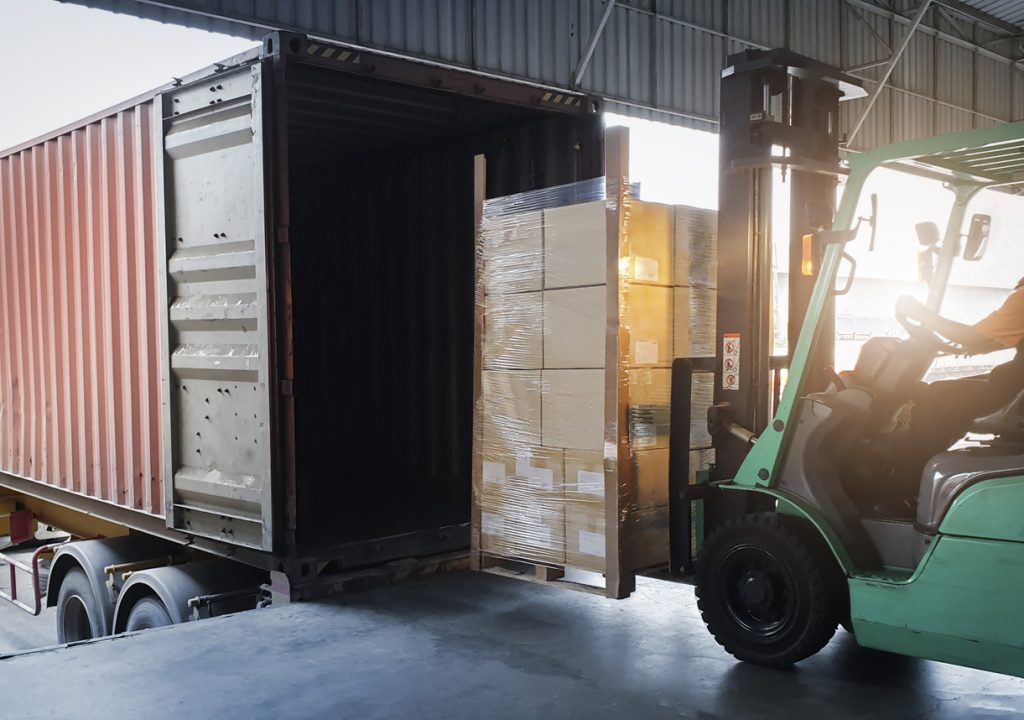
Handling reefer container customs clearance Nigeria requires more than submitting import documents and waiting for cargo release. Refrigerated containers carry temperature-sensitive products, so every unnecessary day at the port can increase storage costs, power charges, demurrage exposure, and the risk of product deterioration.
For importers bringing frozen foods, pharmaceuticals, chilled ingredients, seafood, dairy products, or other perishable cargo through Nigerian ports, the practical goal is simple: complete documentation early, coordinate inspections properly, maintain the required temperature, and move the container out of the terminal as soon as clearance is completed.
Travo.ng supports businesses that need coordinated cargo logistics, customs clearance assistance, transport arrangements, and delivery from the port to warehouses or other destinations.
Why Reefer Containers Need Faster Clearance Than Regular Cargo
A dry container carrying furniture or machinery can usually tolerate delays better than refrigerated cargo.
A reefer container cannot.
The refrigeration unit must remain powered while the container is at the terminal. Depending on the cargo, temperatures may need to remain chilled or well below freezing throughout clearance and onward transportation.
NAFDAC guidance for frozen and refrigerated foods emphasises maintaining appropriate cold-storage conditions and monitoring temperatures during storage and transportation.
This means an importer should already be planning port evacuation before the vessel arrives rather than starting transport arrangements after Customs releases the container.
Documents Should Be Ready Before the Vessel Arrives
Many clearance problems begin before the container even reaches Apapa, Tin Can Island, Lekki or another Nigerian port.
Importers should ensure that their shipping and regulatory documents are consistent. Depending on the commodity, documentation may include:
- Bill of lading
- Commercial invoice
- Packing list
- Form M and related import documentation
- Product certificates or permits where required
- Customs declaration documents
- NAFDAC documentation for regulated food, pharmaceutical or consumer products
- Relevant supporting certificates for the specific commodity
Nigeria Customs also operates digital trade and clearance systems intended to improve submission and processing of maritime documentation.
A small mismatch in product description, quantity, consignee information or classification can become expensive when the container involved needs continuous refrigeration.
Customs Is Not Always the Only Agency Involved
One mistake importers make is assuming that Customs release automatically means every regulatory requirement has been completed.
For food and other regulated products, NAFDAC requirements may also apply. Current NAFDAC guidance provides specific procedures for clearing imported regulated foods and other controlled products at Nigerian ports.
That is why the exact cargo description should be established early.
Frozen chicken, pharmaceutical products, fresh produce and industrial temperature-controlled chemicals may all arrive inside reefer containers, but their regulatory requirements can be very different.
What Can Make Reefer Clearance More Expensive
There is no single fixed price for clearing every reefer container in Nigeria.
Your total cost can change depending on:
- Container size
- Commodity type and customs classification
- Customs duties and applicable charges
- Terminal handling
- Shipping-line charges
- Reefer electricity or plug-in charges
- Storage period
- Regulatory inspections
- Demurrage or detention
- Trucking from the terminal
- Final delivery location
The Nigerian Ports Authority tariff structure also treats reefer containers differently from ordinary containers in certain port charges.
Importers should therefore request a cost breakdown instead of accepting a vague “clearing fee” that does not explain possible terminal, shipping-line or transportation expenses.
Plan the Truck Before Customs Release
Imagine a frozen-food importer clearing a container in Lagos for delivery to a cold room in Ikeja.
The container is released on Friday afternoon, but no suitable truck has been arranged. By Monday, the business may already have accumulated additional terminal or equipment-related costs.
A better approach is to coordinate clearance, trucking and warehouse receiving as one operation.
Travo.ng can help arrange cargo logistics, transport coordination and business delivery support, allowing importers to plan movement from the port to warehouses in Lagos or onward destinations such as Ibadan, Abuja, Benin City or other Nigerian locations.
Keep the Cold Chain Intact After Leaving the Port
Customs release is not the end of reefer logistics.
Before evacuation, confirm that the receiving warehouse is ready, unloading staff are available, the destination can maintain the required temperature, and the transport plan does not leave sensitive cargo sitting unnecessarily.
For businesses importing temperature-controlled goods regularly, Travo.ng can also support ongoing logistics coordination, cargo movement and delivery planning.
Good reefer container customs clearance Nigeria is ultimately about speed, documentation and cold-chain control working together. When those three areas are planned before arrival, importers have a much better chance of avoiding preventable delays, unnecessary port costs and damaged cargo.
