


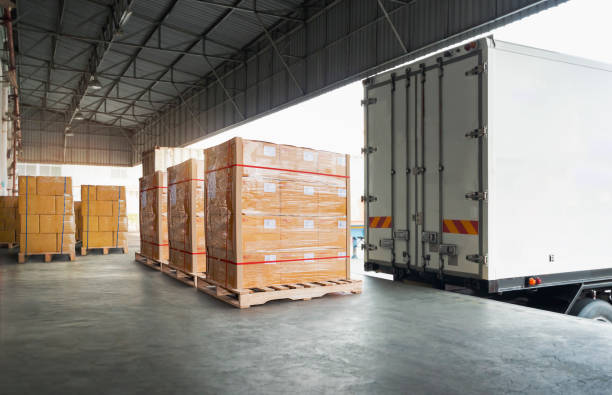
Freight clearing in Nigeria can become expensive and frustrating when documents are incomplete, charges are misunderstood, or cargo arrives before the importer has prepared for clearance.
Whether your shipment comes through Apapa Port, Tin Can Island, an airport cargo terminal, or another entry point, successful clearing requires more than simply waiting for goods to be released. Documentation, customs procedures, terminal operations, transport coordination, and final delivery all have to work together.
Travo.ng helps individuals and businesses coordinate freight movement, cargo logistics, transport, and delivery so shipments can move from arrival point to final destination with fewer avoidable delays.
What Happens After Your Cargo Arrives in Nigeria
Once imported goods arrive, they normally have to pass through several stages before they can leave the port or cargo terminal.
Depending on the shipment, the process may involve:
- Reviewing shipping and import documents
- Customs declaration and assessment
- Payment of applicable duties and charges
- Cargo examination where required
- Terminal or handling procedures
- Obtaining release documentation
- Arranging trucks or delivery vehicles
- Moving the cargo to a warehouse, office, shop, or customer location
Problems at any one of these stages can keep cargo sitting longer than expected.
This is why experienced importers often start preparing for freight clearing before the vessel or aircraft arrives.
Documents That Commonly Cause Clearing Delays
A surprising number of delays happen because information on one document does not match another.
Importers should confirm that important documents are accurate before shipment arrival. Depending on the cargo, these may include the bill of lading or air waybill, commercial invoice, packing list, relevant import documentation, certificates, and other supporting records required for the particular goods.
Even something as simple as an incorrect consignee name or unclear description of goods can create extra work.
For businesses importing regularly, keeping shipment documents organised also makes it easier to estimate costs and plan inventory.
What Freight Clearing in Nigeria Actually Costs
There is no single clearing price that applies to every shipment.
The final cost can depend on:
- Type and value of goods
- Shipment size and weight
- Container size
- Import duty classification
- Port or terminal charges
- Examination requirements
- Storage or demurrage
- Transportation after clearance
A small air-freight shipment will have a completely different cost structure from a 20-foot or 40-foot container arriving through Lagos ports.
Importers should therefore be cautious when someone gives a very low clearing figure without first reviewing the shipment details.
How Port Delays Increase Your Total Logistics Bill
Time matters when clearing cargo.
When containers remain at terminals longer than planned, storage charges can accumulate. Containers may also attract additional costs when they are not returned within the permitted period.
The problem becomes more expensive when transport is arranged too late.
For example, a business clearing goods in Lagos but delivering them to Abuja needs to coordinate both release and interstate haulage. Having a container cleared without a truck ready can create another avoidable delay.
Travo.ng can support cargo logistics and transport coordination so the movement after clearance is considered early rather than treated as an afterthought.
Moving Cleared Cargo From Lagos to Other States
For many importers, getting cargo released is only half the job.
Goods may still need to move from Lagos to Abuja, Ibadan, Benin City, Port Harcourt, Kano, Onitsha, or another commercial destination.
Businesses should consider:
- Vehicle capacity
- Cargo weight
- Loading requirements
- Delivery location accessibility
- Interstate travel time
- Security considerations
- Offloading arrangements
A shipment that requires a dedicated truck should be planned differently from smaller goods that can move through regular cargo or courier channels.
Travo.ng can help coordinate suitable transport and delivery arrangements based on the type of goods and destination.
Avoid Waiting Until Your Shipment Arrives
One of the most common import mistakes is starting the clearing process only after receiving an arrival notification.
Preparing documents early gives you more time to identify missing information, understand expected charges, and arrange transportation.
Businesses importing stock should also consider warehouse availability and delivery timing. There is little value in clearing a shipment quickly if the receiving warehouse is not ready.
Planning freight clearing, cargo movement, and final delivery together usually creates a smoother operation.
Get Practical Freight and Cargo Support With Travo.ng
Freight clearing in Nigeria works best when documentation, clearance, transport, and delivery are coordinated properly.
Travo.ng supports businesses and individuals that need practical assistance moving cargo through Nigeria and delivering it to the required destination.
Whether you are managing imported business stock, commercial cargo, interstate freight, or regular logistics operations, you can use Travo.ng for cargo logistics, transport coordination, delivery services, and business logistics support.
Prepare early, understand your shipment requirements, and arrange the onward movement before your goods are released. When you are ready to move cargo, contact Travo.ng to schedule the logistics support you need.
