


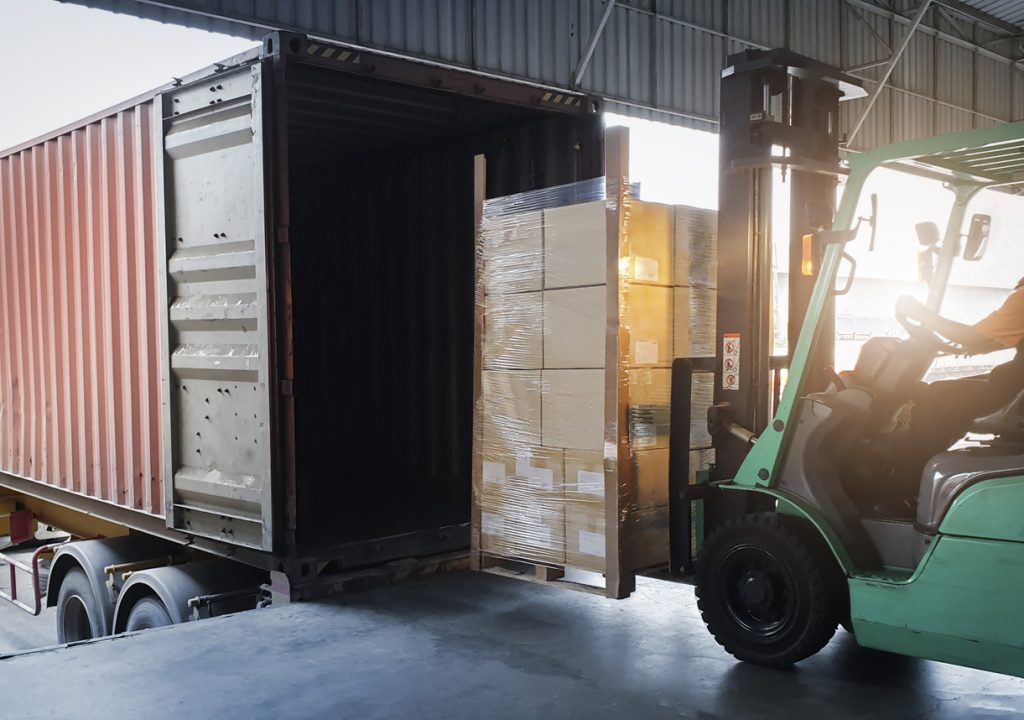
For companies importing equipment, production materials, retail stock, electronics, machinery, or commercial supplies, cargo arriving in Nigeria is only half the job. The real challenge often begins when the shipment reaches the port or airport.
Reliable enterprise cargo clearance Nigeria support helps businesses manage documentation, customs procedures, cargo handling, collection, and onward delivery without unnecessary disruption.
For an individual clearing one parcel, a short delay may be inconvenient. For a company waiting for manufacturing parts, store inventory, medical equipment, or project materials, the same delay can affect operations, customers, and revenue.
Travo.ng helps businesses coordinate cargo logistics and movement so shipments do not become another complicated project for internal teams to manage.
What Usually Slows Down Enterprise Cargo Clearance in Nigeria
Many clearance problems start before the cargo even arrives.
Incorrect descriptions, incomplete paperwork, inconsistent shipment details, delayed documentation, and poor coordination between different parties can all create avoidable problems.
Businesses should normally confirm important shipment information early, including:
- Commercial invoice details
- Packing lists
- Cargo description and quantity
- Shipping or airway bill information
- Consignee details
- Required permits where applicable
- Delivery address after clearance
A shipment containing industrial machinery, for example, requires different preparation from ordinary office supplies. Businesses importing regulated or specialised goods may also need additional documentation before clearance can proceed smoothly.
This is why experienced coordination matters.
Clearing Cargo Through Lagos Requires More Than Customs Processing
Lagos handles a significant amount of Nigeria’s commercial cargo movement, but clearance is only one stage of the journey.
A company may have goods arriving through Lagos while the final destination is Abuja, Ibadan, Benin City, Port Harcourt, Kano, or another commercial centre.
Once the cargo is released, someone still needs to arrange collection, loading, transportation, tracking, and final delivery.
That handover is where businesses sometimes lose time.
Instead of treating clearance and transportation as completely separate jobs, Travo.ng can support cargo logistics alongside transport coordination and business delivery requirements.
For example, a company receiving several cartons of equipment can arrange onward movement to its warehouse after clearance instead of beginning a separate search for transportation after the goods have already been released.
How Long Enterprise Cargo Clearance Can Take
There is no responsible way to promise one clearance timeline for every shipment.
Timing depends on the cargo type, documentation, inspection requirements, arrival point, regulatory processes, and whether the shipment information is already complete.
A properly prepared shipment can move significantly more smoothly than cargo requiring document corrections after arrival.
Businesses working around project deadlines should therefore avoid planning clearance based only on the expected arrival date.
Build room into your operational schedule for:
- Cargo arrival and processing
- Documentation checks
- Applicable customs procedures
- Cargo release
- Collection
- Transportation to the final destination
This is especially important when imported goods are required for a product launch, construction project, corporate event, retail restocking, or manufacturing schedule.
Plan the Final Delivery Before Your Cargo Is Released
One common mistake is waiting until clearance is complete before thinking about transportation.
That creates unnecessary downtime.
If a shipment is heading from Lagos to Abuja, for instance, the receiving company should already know the delivery location, receiving contact, unloading requirements, preferred delivery period, and appropriate vehicle type.
Heavy equipment may require a different transport arrangement from boxed consumer products.
Businesses moving multiple shipments should also consider whether deliveries need to go to one warehouse or several branches.
Travo.ng can help coordinate cargo logistics, interstate transport, delivery services and business logistics support as part of the wider movement process.
What Businesses Should Confirm Before Shipping to Nigeria
Before cargo leaves its origin, confirm that the information provided by your supplier, freight partner, and receiving team matches.
Small discrepancies can become expensive delays later.
Check product descriptions carefully rather than using vague labels such as “items,” “equipment,” or “goods” where more accurate descriptions are available.
Companies should also make sure the person responsible for clearance has access to the necessary documents instead of waiting until the shipment arrives to begin gathering them.
For frequent importers, maintaining a standard internal shipping checklist can save considerable administrative time.
Arrange Enterprise Cargo Movement With Travo.ng
Enterprise logistics works best when clearance, collection, transportation, and final delivery are planned as one connected operation.
Travo.ng provides practical support for businesses that need cargo coordination, delivery services, interstate transportation, vehicle arrangements, and other logistics assistance across Nigeria.
Whether your company is bringing commercial cargo into Lagos or arranging onward delivery to another state, early coordination can reduce avoidable delays and make the movement easier to manage.
For enterprise cargo clearance Nigeria support and related cargo logistics, contact Travo.ng with your shipment details, cargo type, arrival location, and intended delivery destination to begin planning the movement.
