


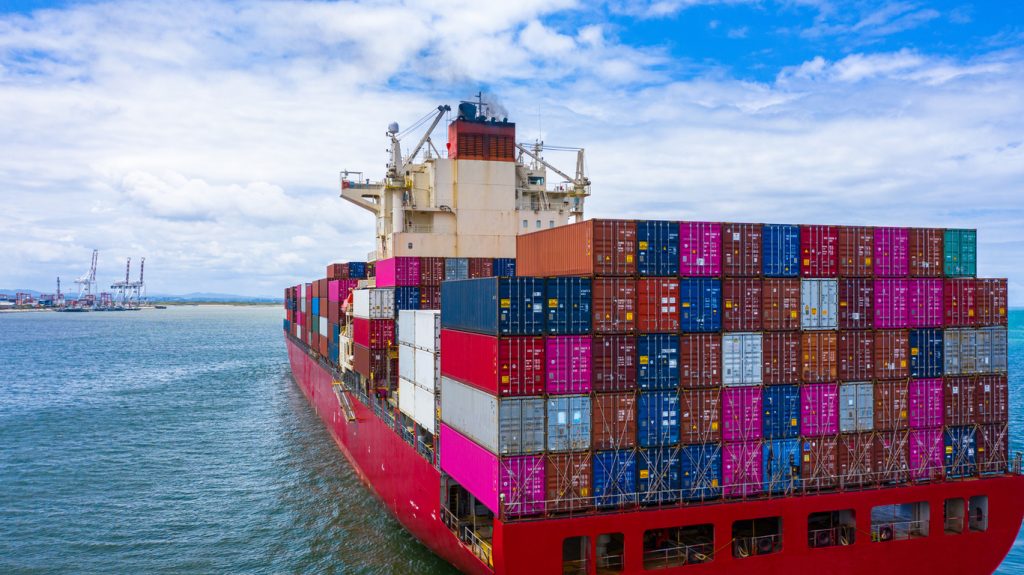
Importing goods into Nigeria involves more than paying for shipping and waiting for cargo to arrive. Once a shipment reaches a Nigerian seaport, airport, or border terminal, customs documentation, duty assessment, inspections, terminal charges, and cargo release procedures must be handled correctly.
Working with a licensed clearing agent in Nigeria can make this process much easier, especially for businesses and individuals who want to avoid unnecessary delays, storage charges, and documentation problems.
At Travo.ng, clearing support can also be coordinated with cargo logistics, transport, delivery, and other movement services, helping customers manage the journey from port clearance to the final destination.
What a Clearing Agent Actually Handles at the Port
A clearing agent represents an importer during the customs clearance process. The work usually begins before the cargo is physically released.
Depending on the shipment, the agent may coordinate:
- Import and shipping documentation
- Customs declarations
- Duty and levy processing
- Terminal and handling procedures
- Cargo examination where required
- Communication with shipping or terminal operators
- Release documentation
- Transport arrangements after clearance
For example, a business importing machinery through Apapa Port may need the equipment cleared and transported to a warehouse in Ikeja or an industrial facility outside Lagos. Handling clearance without planning the onward movement can leave expensive cargo sitting at the terminal longer than necessary.
Why Documentation Problems Cause Expensive Delays
Many clearance delays begin with paperwork rather than the cargo itself.
Problems can arise when descriptions on invoices do not match shipping documents, required permits are missing, cargo classifications are incorrect, or documentation is submitted late.
These delays matter because additional days at a terminal can lead to storage, demurrage, handling, and transport-related costs.
Before cargo arrives, importers should have important documents properly reviewed. Depending on the goods involved, these may include commercial invoices, packing lists, bills of lading or airway bills, regulatory permits, and other import documentation.
A reliable clearing agent should identify obvious documentation gaps early instead of waiting until the shipment is already attracting charges.
Clearing Cargo Through Lagos Ports Requires Good Coordination
Lagos remains one of Nigeria’s busiest entry points for imported cargo, particularly through Apapa and Tin Can Island.
Getting cargo released is only one part of the job. Moving it out efficiently also requires planning around terminal operations, truck availability, traffic conditions, delivery locations, and receiving schedules.
Imagine clearing commercial goods that need to move from Apapa to a warehouse along the Lagos-Ibadan corridor. If the truck is not ready when the cargo becomes available, the importer can lose valuable time.
Travo.ng can help coordinate relevant cargo logistics and transport arrangements so clearance and onward delivery are treated as connected operations rather than separate problems.
How Much Does Clearing Cost in Nigeria?
There is no single clearing price that applies to every shipment.
Your total cost can depend on:
- Type and value of goods
- Cargo classification
- Applicable customs duties and levies
- Container size
- Port or terminal charges
- Required inspections
- Storage duration
- Documentation status
- Final delivery destination
Be cautious when someone gives a suspiciously low clearance quote without first understanding the shipment.
A professional licensed clearing agent in Nigeria should request relevant cargo information before providing a realistic estimate.
What Businesses Should Confirm Before Cargo Arrives
Good clearance planning begins before the vessel or aircraft lands.
Businesses regularly importing stock should confirm their documents, cargo description, expected arrival date, clearance requirements, and delivery arrangements early.
It also helps to decide where the goods will go immediately after release.
A retailer may need containers transported from Lagos ports to a warehouse. A manufacturer may need machinery delivered directly to a factory. Another importer may require temporary logistics coordination before goods are distributed to customers.
Planning these movements in advance reduces avoidable waiting.
Clearing and Delivery Should Work as One Process
Many importers make the mistake of focusing completely on customs clearance and only searching for transportation after their goods have been released.
A better approach is to coordinate both stages.
With Travo.ng, customers can arrange support around cargo logistics, transport coordination, delivery services, and related business logistics needs. This is especially useful when imported goods must move from Lagos ports to locations in Lagos, Ogun State, Abuja, or other parts of Nigeria.
The goal is simple: clear the cargo correctly, move it efficiently, and reduce unnecessary disruption between the port and the final destination.
If you need a licensed clearing agent in Nigeria, Travo.ng can help you coordinate the clearance and movement of your shipment. Provide your cargo details, entry point, documentation status, and delivery destination to start planning the process.
