


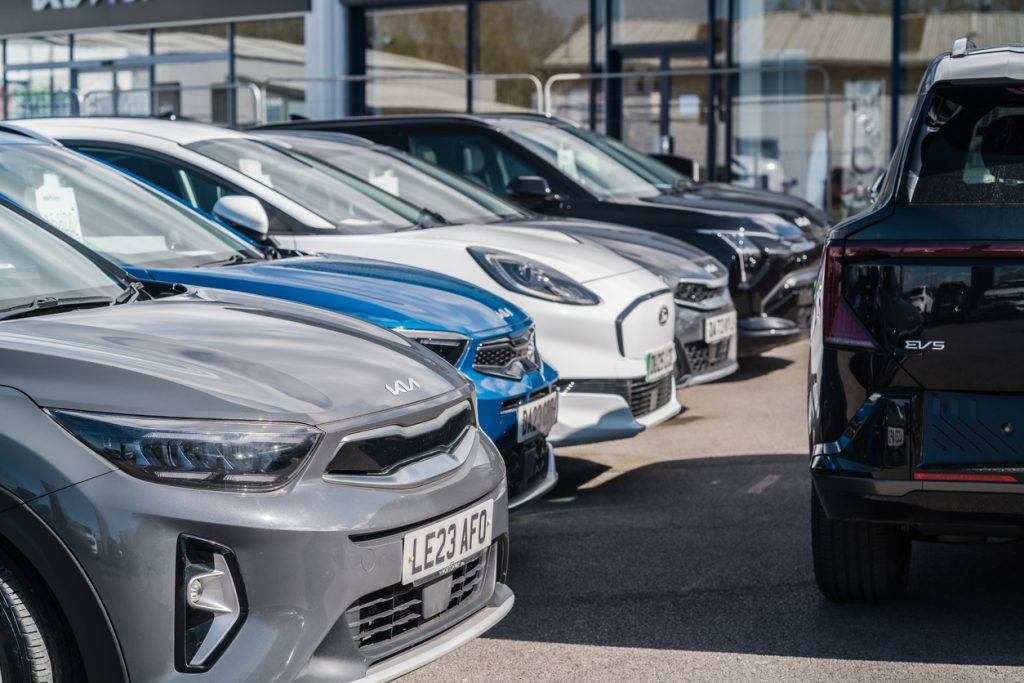
Importing vehicles for resale can be profitable, but the clearance stage is where many dealerships begin to lose time and money. Delays at the port, incomplete documentation, unexpected charges, and poor transport coordination can leave valuable vehicles sitting longer than planned.
For dealerships handling multiple units, dealership car import clearance Nigeria requires more than simply paying customs charges. You need proper documentation, reliable coordination, accurate cost planning, and a clear arrangement for moving cleared vehicles from the port to your showroom or storage location.
Travo.ng helps dealerships and vehicle importers coordinate the logistics around vehicle movement, transport, and related operational requirements, making the process easier to manage from arrival through final delivery.
What Dealers Should Prepare Before a Vehicle Arrives
Clearance problems often begin before the vehicle even reaches Nigeria.
A dealership importing cars should have its paperwork properly organised before vessel arrival. Depending on the shipment and import arrangement, relevant documents may include shipping documentation, vehicle details, invoices, identification records, and customs-related paperwork required by the clearing process.
Errors in chassis numbers, vehicle descriptions, consignee information, or supporting documents can create avoidable delays.
For dealers importing several vehicles at once, it helps to maintain a separate file for each unit. This makes it easier to track which vehicles have completed documentation, assessment, payment, examination, and release.
What Actually Affects Car Clearance Costs in Nigeria
There is no sensible single-price estimate that applies to every imported vehicle.
Clearance costs can change depending on factors such as:
- Vehicle make and model
- Manufacturing year
- Customs valuation
- Import duty and applicable charges
- Shipping and terminal expenses
- Storage or demurrage where delays occur
- Clearing and documentation expenses
- Transport from the port after release
For a dealership, the final landed cost is what matters.
A vehicle that appears cheap at auction can become far more expensive after shipping, clearance, port charges, and inland transport are included. Dealers should calculate these costs before deciding how much they can realistically sell the vehicle for.
Lagos Port Delays Can Quickly Affect Your Profit Margin
Many imported vehicles enter Nigeria through Lagos, making port and traffic conditions an important part of dealership planning.
A vehicle may technically be cleared but still require careful coordination before reaching a showroom in Ikeja, Lekki, Victoria Island, Berger, or another part of Lagos.
The challenge becomes greater when vehicles need to move from Lagos to cities such as Abuja, Ibadan, Benin City, Port Harcourt, or Enugu.
Dealers should avoid treating clearance and onward transport as two completely separate jobs. Planning vehicle movement before release reduces the risk of paying additional parking, storage, or last-minute transportation costs.
Travo.ng can support transport coordination and vehicle movement arrangements where dealerships need a practical logistics solution after clearance.
Handling Multiple Imported Cars Requires Better Tracking
Importing one vehicle is different from managing ten or twenty units arriving within a similar period.
Dealerships should track each vehicle using details such as chassis number, model, port status, outstanding charges, expected release date, and final delivery destination.
This becomes especially useful when some vehicles are already cleared while others are still awaiting documentation or examination.
Good tracking also helps dealerships communicate properly with customers who may already be waiting for specific vehicles.
Avoid These Common Import Clearance Mistakes
One expensive mistake is waiting until a vehicle arrives before checking whether all necessary documents are available.
Another is budgeting only for customs clearance while ignoring terminal charges, possible storage fees, and transportation after release.
Dealers should also be careful about using unclear or unreliable intermediaries. When different people are handling documentation, clearance, and transport without proper coordination, it becomes difficult to know who is responsible when something goes wrong.
A better approach is to keep each stage documented and confirm costs before authorising major payments.
Moving Cleared Vehicles to Your Dealership
Once customs and port requirements have been completed, the next concern is getting the vehicles safely to their destination.
Some dealerships move vehicles directly to Lagos showrooms, while others require interstate transport to Abuja, Kano, Port Harcourt, Benin City, or other commercial centres.
Travo.ng can assist with practical transport coordination, vehicle hire, cargo logistics, and related business logistics support where appropriate.
If your business regularly handles dealership car import clearance Nigeria, planning clearance and onward movement as one connected operation can reduce unnecessary delays and make stock arrival easier to manage.
Before your next shipment lands, organise the documentation, calculate the full landed cost, prepare for possible port delays, and arrange transportation early. That simple preparation can make the difference between vehicles reaching your showroom quickly and capital remaining tied up at the port.
