


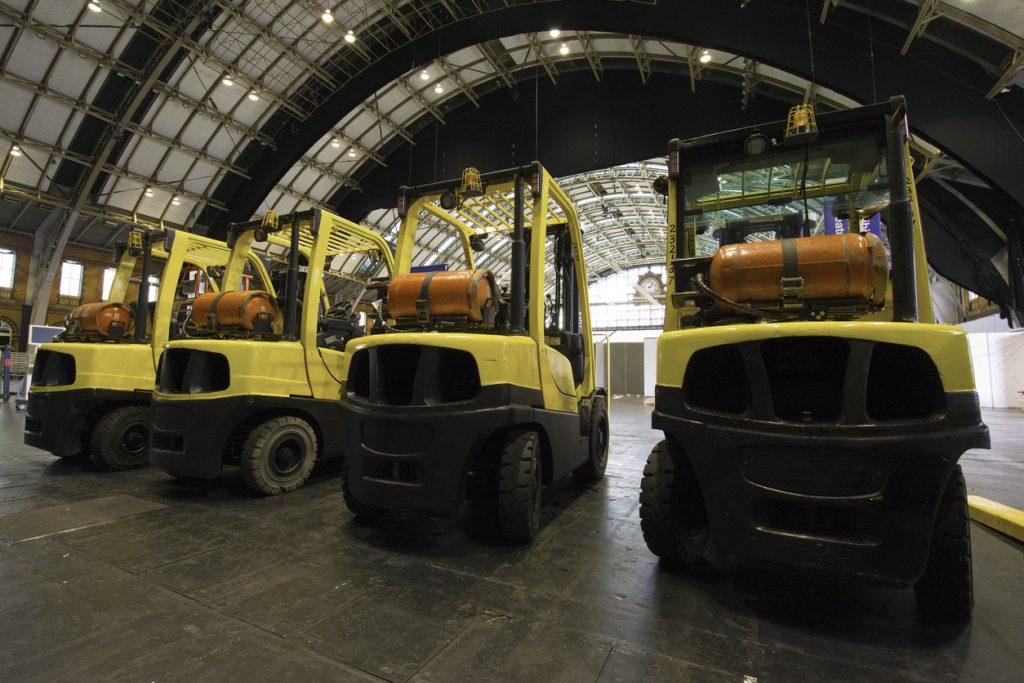
Importing a forklift into Nigeria involves much more than getting the machine onto a vessel and waiting for it to arrive. Once it reaches the port, documentation, customs assessment, terminal charges, inspections, and final delivery all have to be properly coordinated.
For businesses searching for forklift customs clearance Nigeria services, the biggest concern is usually avoiding unnecessary delays and storage costs. A forklift can remain at the terminal longer than expected when documentation is incomplete, the declared specifications do not match the machine, or transport has not been arranged before release.
Travo.ng helps businesses coordinate customs clearance and onward logistics so imported forklifts can move from the port to their final destination with fewer operational headaches.
What Usually Happens When a Forklift Arrives at a Nigerian Port
Forklifts commonly enter Nigeria through ports around Lagos, especially Apapa and Tin Can Island. Depending on the shipping arrangement, the equipment may arrive inside a container, on a flat rack, or as specialised cargo.
Before clearance can move smoothly, importers should have accurate information about the forklift, including:
- Make and model
- Year of manufacture
- Engine or power type
- Load capacity
- Country of origin
- Purchase invoice and shipping documents
- Bill of lading
- Relevant import documentation
Incorrect equipment descriptions can slow down customs processing because the physical machine may need to be checked against the declared details.
Why Forklift Clearance Can Become Expensive
Most avoidable expenses start with delays.
If a forklift remains inside the port or terminal beyond the allowed free period, additional storage and related charges may begin to accumulate. Delays can also affect the business waiting for the equipment, especially where the forklift is needed for warehouse operations, construction, manufacturing, or cargo handling.
For this reason, experienced importers usually begin preparing their forklift customs clearance in Nigeria before the vessel arrives rather than waiting until the machine is already sitting at the terminal.
The clearing process should also be coordinated with evacuation. Getting customs release without having the right truck or low-bed vehicle ready can create another unnecessary delay.
Moving the Forklift After Customs Release
Clearance is only part of the job.
A forklift released from Apapa, Tin Can, or another Nigerian port still needs to reach the warehouse, factory, construction site, or logistics facility where it will be used.
Depending on the forklift’s size and condition, transportation may require a flatbed or low-bed truck instead of attempting to drive the equipment over a long distance.
For example, a business importing a forklift for a warehouse in Ikeja may need port clearance and short-distance haulage within Lagos. Another importer supplying equipment to a factory in Ogun State or Abuja will need clearance combined with interstate cargo transportation.
Travo.ng can help coordinate both stages, reducing the number of separate service providers an importer has to manage.
Common Mistakes Importers Should Avoid
One common mistake is focusing entirely on customs duty while ignoring terminal, handling, transportation, and possible storage costs.
Another is arranging transportation only after the forklift has been released.
Businesses should also avoid providing estimated specifications when accurate machine information is available. Customs documentation should reflect the actual forklift being imported.
Before shipment arrives, confirm the paperwork, understand expected port charges, prepare for inspections where required, and arrange the vehicle that will move the forklift after release.
Clearing and Delivering Your Forklift With Travo.ng
Businesses importing forklifts need coordination, not just paperwork.
Travo.ng can support customs clearance, cargo logistics, transport coordination, and delivery planning for heavy equipment entering Nigeria. This is particularly useful for companies that want one team coordinating movement from the port to a warehouse, project site, factory, or another state.
Whether your forklift is arriving through Lagos for use locally or needs onward transportation to Abuja, Ogun State, Port Harcourt, or another destination, planning the entire movement early can reduce delays.
For dependable forklift customs clearance Nigeria support, Travo.ng can help coordinate the clearance and transportation process so your equipment gets from the port to where your business actually needs it.
