


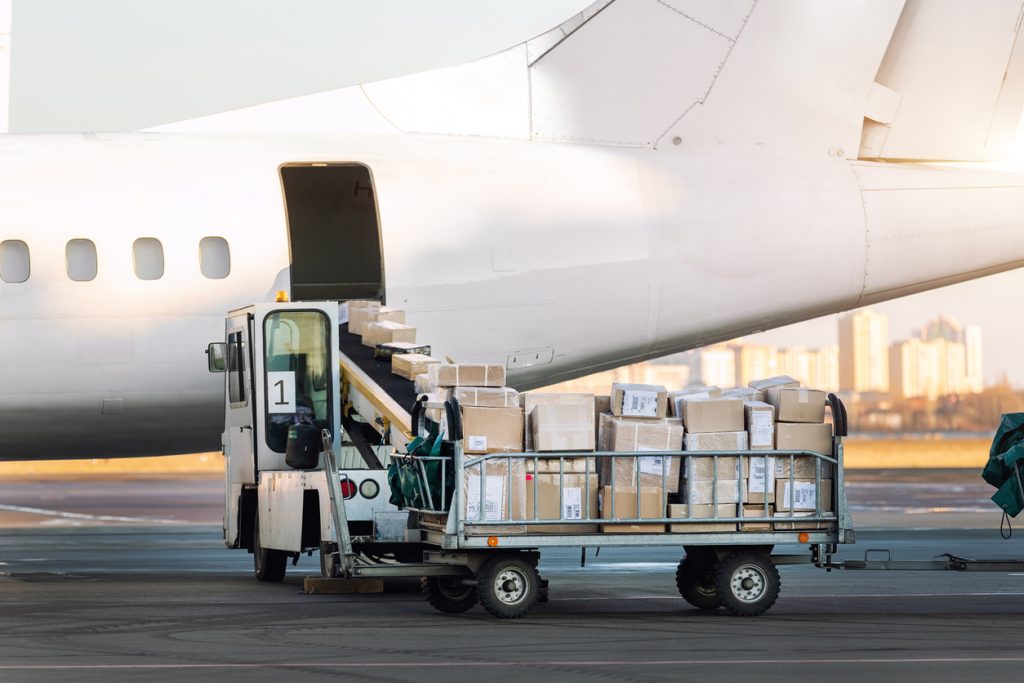
Booking air freight and paying in Naira is one of the most practical ways for Nigerian businesses and individuals to move goods quickly across borders. From urgent commercial shipments to personal cargo, air freight remains the fastest logistics option for international delivery when time matters more than cost.
In reality, the biggest challenge is rarely arranging the shipment—it is how to complete air freight payment without dollar cards, FX delays, or failed international transfers.
That’s why many importers, exporters, and logistics users now prefer to book air freight in Naira and pay locally in Nigeria instead of dealing with foreign payment systems.
With Travo.ng, you can arrange air freight bookings, coordinate shipment details with partners, and pay in ₦ via bank transfer while ensuring your cargo is processed through reliable airline and freight channels.
Why Air Freight Payment Can Be Difficult in Nigeria
Even when cargo space is confirmed, payment often creates delays:
- FX limits on corporate or personal cards
- International freight invoices requiring foreign transfers
- Bank approval delays for large transactions
- Currency conversion uncertainty during payment
- Tight shipping deadlines affected by payment delays
Because air freight is time-sensitive, even small payment issues can disrupt delivery schedules.
How Travo.ng Simplifies Air Freight Booking in Naira
Instead of dealing with multiple freight agents or international platforms, Travo.ng streamlines the process:
- You provide shipment details (weight, dimensions, destination, urgency)
- Available air freight options are checked with partner carriers
- Routing and schedules are confirmed
- Freight cost is calculated in USD, GBP, or EUR
- Converted into a clear Naira invoice
- You pay locally via Nigerian bank transfer in ₦
- Shipment is processed and dispatched via airline cargo systems
No FX stress. No payment rejection. Structured logistics handling.
Common Air Freight Routes from Nigeria
Nigeria → United Kingdom
- Commercial imports and exports
- Urgent business shipments
- Personal cargo and documents
Nigeria → United States
- E-commerce goods
- Industrial and technical equipment
- Time-sensitive deliveries
Nigeria → Canada
- Relocation cargo
- Trade shipments and personal effects
Nigeria → Europe (Netherlands, Germany, France)
- Wholesale goods
- Manufacturing and retail logistics
Nigeria → Middle East (Dubai)
- Re-export cargo
- Fast-moving trade goods
Real Air Freight Cost Range in Naira
Air freight pricing depends on weight, volume, and destination:
- Small parcels (documents/light cargo): ₦120K – ₦800K
- Medium shipments: ₦800K – ₦3M
- Heavy commercial cargo: ₦3M – ₦10M+
- Bulk air freight or palletized cargo: ₦10M – ₦50M+
Pricing depends on:
- Actual vs volumetric weight
- Destination route
- Airline cargo capacity
- Speed (express vs standard air freight)
Why Paying in Naira Makes Air Freight Easier
For Nigerian importers and exporters, predictable payment is critical.
With Travo.ng, you avoid:
- FX payment delays affecting shipment deadlines
- International transfer complications
- Card rejection on freight platforms
- Currency conversion uncertainty
Instead, you get:
- Clear pricing in Naira before payment
- Local bank transfer option
- Faster booking confirmation
- Easier coordination with logistics partners
Common Mistakes in Air Freight Booking
From real logistics operations, businesses often:
- Underestimate volumetric weight pricing
- Delay payment and miss cargo cut-off times
- Provide incomplete shipment documentation
- Fail to confirm packaging requirements early
- Ignore airline-specific cargo rules
These mistakes can lead to delays or increased shipping costs.
Final Thoughts on Air Freight Booking in Naira
Booking air freight in Naira is now one of the most efficient ways to move goods internationally from Nigeria. The biggest challenge is not cargo availability—it is payment friction caused by FX restrictions and international transaction limitations.
With Travo.ng, you can book air freight services, pay in Naira, and manage international shipping without needing foreign currency payments or dealing with banking delays.
The goal is simple: fast cargo booking, local payment, and stress-free global logistics.
