


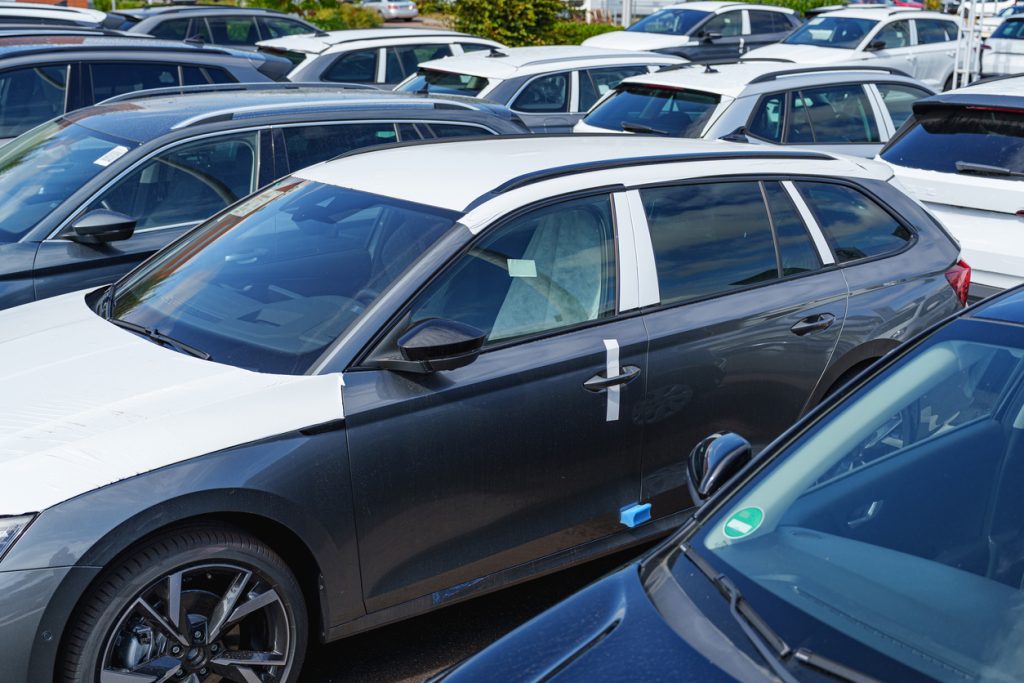
Importing a car into Nigeria is not simply a matter of buying a vehicle overseas and waiting for it to arrive at the port.
Once the car reaches Nigeria, there are several practical steps between its arrival at a port and the moment you can take possession of it. Documentation has to be in order, customs processes have to be handled, terminal procedures followed and applicable charges settled before the vehicle can be released.
This is why choosing the right clearing and forwarding agent for cars in Nigeria matters.
A good agent can help coordinate the movement of your vehicle through the relevant processes and reduce the confusion that often comes with dealing with ports, customs documentation, terminals and transport arrangements for the first time.
What does a car clearing and forwarding agent actually do?
A clearing and forwarding agent acts as a link between the vehicle owner or importer and the different parties involved in getting the vehicle through the import process.
For a car arriving in Nigeria, this may involve coordinating documentation, customs-related procedures, terminal processes and onward transportation.
The exact responsibilities depend on the service agreement, but a vehicle importer may need assistance with:
- Import documentation
- Customs processing and declarations
- Terminal coordination
- Vehicle examination procedures
- Applicable duties and charges
- Release documentation
- Port-related logistics
- Transportation after clearance
The important distinction is that clearing a vehicle and transporting it after clearance are not necessarily the same service.
An importer may need both.
Where do imported cars enter Nigeria?
Lagos is one of the major entry points for imported vehicles, and many car importers deal with terminals and port facilities around the Apapa and Tin Can Island areas.
Other Nigerian ports can also handle vehicle and cargo imports depending on the shipment and arrangements.
For someone importing a car for the first time, the terminology can quickly become confusing. You may hear references to the shipping line, terminal, customs, clearing agent, freight forwarder, transporter and port authorities.
These parties do different jobs.
That is one reason experienced coordination can make the process easier.
Why clearing an imported car can become complicated
The basic idea sounds straightforward:
Car arrives → clear it → take it home.
The actual process is rarely that simple.
A shipment can involve several documents and charges, and an error or missing piece of information can cause delays.
For example, an importer may discover that a document contains an incorrect vehicle detail after the shipment has already arrived. Resolving the issue may require additional communication between the importer, shipping company, terminal and clearing representative.
There can also be delays caused by documentation, inspections, payment issues, terminal procedures or other operational matters.
The lesson is simple: do not wait until your car arrives at the port before thinking about clearance.
What documents are usually involved?
The exact documentation required depends on the shipment and applicable Nigerian import requirements, but vehicle imports commonly involve documents relating to the vehicle, shipment and importer.
These may include:
- Bill of lading
- Commercial invoice or purchase documentation
- Vehicle information
- Identification documents
- Shipping documents
- Customs-related documentation
- Other documents required for the particular import
Your clearing and forwarding representative should tell you what is required for your specific shipment.
Do not rely on a checklist from someone who imported a different vehicle several years ago.
Import procedures and requirements can change, and the correct documents depend on the circumstances of the shipment.
How much does car clearing cost in Nigeria?
There is no responsible one-size-fits-all answer to this question.
The total amount involved in clearing a vehicle can depend on factors such as:
- Vehicle type
- Vehicle value
- Engine specifications
- Country of origin
- Import classification
- Applicable customs duties and levies
- Terminal charges
- Shipping-related charges
- Storage or demurrage, where applicable
- Documentation and agency fees
- Other applicable government or port charges
This is why you should be cautious when someone gives you an unusually low “total clearing price” without first asking for details about the vehicle.
A proper estimate should be based on the actual car and shipment.
If you are importing a Toyota from the United States, for example, the cost structure may not be identical to that of another vehicle arriving under different circumstances.
Why the cheapest clearing agent is not always the best choice
When importers see several quotations, the natural reaction is often to choose the lowest one.
Price matters, but it should not be the only consideration.
Imagine two agents quote different amounts. The cheaper quotation may initially look attractive, but you later discover that certain terminal, documentation or transportation costs were excluded.
You then end up paying more than expected.
Before accepting a quote, ask:
- What exactly does this amount cover?
- Which government charges are included?
- Which terminal charges are included?
- Are agency fees separate?
- Is transportation from the port included?
- Are there possible additional charges?
- How will I receive updates?
- Who will handle the process if there is a documentation problem?
A transparent quotation is usually more useful than a low quotation that leaves important details unclear.
What happens after your car is cleared?
Getting the vehicle released from the port is not necessarily the end of the logistics process.
You still have to move the car from the port to its destination.
For a vehicle being delivered to Lagos, that may be relatively straightforward depending on the destination and arrangements.
But suppose the owner lives in Abuja.
The logistics requirement is now different.
The car needs to move from the Lagos port area to Abuja, which introduces another stage of transportation planning.
The same applies if the final destination is Ibadan, Benin City, Enugu, Port Harcourt or another location.
This is where it helps to think about the entire journey rather than treating customs clearance and vehicle transportation as completely unrelated tasks.
Lagos to Abuja is a different logistics job from Lagos to Lekki
This sounds obvious, but it affects how your vehicle should be handled.
A vehicle cleared at a Lagos port and delivered to Lekki has a relatively local final-mile requirement.
A vehicle cleared in Lagos and transported to Abuja involves interstate movement, route planning, additional distance and a different delivery arrangement.
The importer should therefore establish the final destination before requesting a complete logistics quotation.
Do not simply ask:
“How much will it cost to clear my car?”
Ask:
“How much will it cost to handle the clearance process and get the vehicle from the port to my final destination?”
Those are two different questions.
What importers should ask before appointing an agent
Before giving someone responsibility for your vehicle, ask practical questions.
1. Do you handle vehicle imports?
An agent experienced with general cargo may not necessarily specialise in the practical requirements of imported vehicles.
2. Where will the vehicle be cleared?
Confirm the relevant port or terminal for your shipment.
3. What documents do you need from me?
Get the list early.
4. What is included in your fee?
Ask for clarity around agency fees, government charges, terminal costs and transportation.
5. How will you communicate updates?
You should know how you will receive information about the shipment.
6. What happens if the vehicle is delayed?
Ask how unexpected issues are handled.
7. Can you coordinate transportation after clearance?
If you live outside Lagos, this can be particularly important.
Do not ignore storage and delays at the port
One of the biggest concerns when a vehicle remains at a port or terminal longer than expected is the possibility of additional charges.
Delays can happen for different reasons, including documentation issues, payment delays, examination procedures and other operational circumstances.
The longer a vehicle remains within a terminal or storage facility, the more important it becomes to understand the applicable storage arrangements and deadlines.
This is why experienced coordination should begin before the vehicle arrives.
Having your documents ready and knowing who is responsible for each stage can reduce avoidable delays.
What if you bought a car through an overseas dealer?
Many Nigerians purchase vehicles through dealers, auctions or online platforms abroad.
The international purchase is only the first part of the process.
Before paying for the vehicle, consider how it will eventually get to Nigeria.
You should understand:
- Who is arranging shipping?
- Which Nigerian port will receive the vehicle?
- Who will handle customs clearance?
- What documents will you receive?
- Who will coordinate port release?
- How will the vehicle get from the port to you?
This is especially important when purchasing from the United States, Canada, the United Kingdom or other common vehicle-export markets.
A low vehicle purchase price can become much less attractive once shipping, duties, terminal charges and other import costs are added.
Be careful with vehicle valuation and documentation
When importing a vehicle, accurate documentation matters.
Do not provide false information about the vehicle’s value, specifications, ownership or shipment simply because you believe it will reduce the amount payable.
Incorrect declarations can create serious complications.
Give your clearing representative the actual documents and vehicle information so the appropriate process can be followed.
If you do not understand a document, ask what it means before signing or approving it.
You should know what you are authorising.
How long does it take to clear a car in Nigeria?
There is no reliable universal number of days for every vehicle.
The timeframe can depend on:
- Whether the documentation is complete
- Shipping arrival status
- Customs processing
- Examination requirements
- Terminal procedures
- Payment of applicable charges
- Any issues affecting the shipment
A straightforward shipment with complete documentation can move differently from one where a problem has to be resolved.
If someone promises that every imported vehicle will be cleared within exactly the same number of hours or days, treat that promise carefully.
A responsible logistics provider should explain the expected process without pretending that every port operation is completely predictable.
How to reduce problems before your vehicle arrives
The best time to solve a clearing problem is usually before the vehicle arrives at the port.
Start by organising:
- Vehicle purchase documents
- Shipping information
- Bill of lading
- Identification documents
- Required customs documentation
- Clearing arrangements
- Contact details for the relevant parties
- Final delivery address
- Post-clearance transportation plan
Also keep digital copies of important documents.
If several people are involved in the import — perhaps the buyer, overseas dealer, shipping company and Nigerian clearing agent — make sure everyone is working with the same vehicle and shipment information.
What a good clearing and forwarding service should feel like
You should not have to spend every day calling different people to find out whether your vehicle has moved.
A well-coordinated service should give you clarity about:
Where the vehicle is.
What stage the process has reached.
What documentation is still required.
What payments or charges need attention.
What happens next.
That communication is particularly valuable for Nigerians importing their first vehicle.
You may understand how to buy a car, but that does not automatically mean you understand Nigerian port and customs procedures.
There is no shame in using professional assistance.
Can one logistics provider handle more than clearing?
Sometimes the most convenient arrangement is one where your logistics needs can be coordinated beyond the immediate clearing process.
For example, once your vehicle has been released, you may need transportation from the Lagos port area to your home or business premises.
A broader logistics provider may also be able to coordinate related cargo, delivery or transport requirements.
This can be particularly useful for businesses importing multiple vehicles or equipment rather than a single personal car.
The important thing is to confirm exactly which services are being provided rather than assuming every company handles every stage.
How Travo.ng can support vehicle logistics
For Nigerians importing vehicles, the logistics process does not end when a ship reaches the port.
Travo.ng can help customers coordinate logistics requirements around vehicle and cargo movement, including transportation and delivery arrangements where appropriate.
If your car needs to move from the Lagos port area to another location, for example, the post-clearance transportation requirement should be planned alongside the rest of the shipment.
Travo.ng’s wider logistics and transport services can also be useful for customers whose needs extend beyond a single vehicle movement.
The practical approach is to provide the vehicle details, origin, destination and required service so the appropriate logistics arrangement can be considered.
A practical checklist before your car arrives in Nigeria
- Confirm which Nigerian port or terminal will receive the vehicle.
- Gather your shipping and vehicle documents.
- Confirm the clearing arrangements before arrival.
- Ask for a breakdown of expected charges.
- Clarify which costs are included in the agent’s fee.
- Keep copies of important documents.
- Confirm how you will receive shipment updates.
- Ask about the expected clearance process.
- Plan transportation after the vehicle is released.
- Confirm the final delivery location.
- Avoid making payments without understanding what they cover.
- Keep records of important communications and receipts.
Choosing a clearing and forwarding agent for cars in Nigeria
Importing a car should not become a guessing game.
Whether your vehicle is arriving through Lagos or another Nigerian port, the process is easier to manage when you know who is responsible for each stage, what documents are required and what costs you should expect.
The right clearing and forwarding agent should give you clear information rather than simply promising a cheap price or unusually fast clearance.
And if the vehicle needs to travel from the port to Abuja, Ibadan, Benin City, Enugu, Port Harcourt or another destination, remember to plan that transportation before the vehicle is released.
For first-time importers especially, getting professional logistics support can save time, reduce avoidable mistakes and make the journey from overseas purchase to final delivery much easier to manage.
