


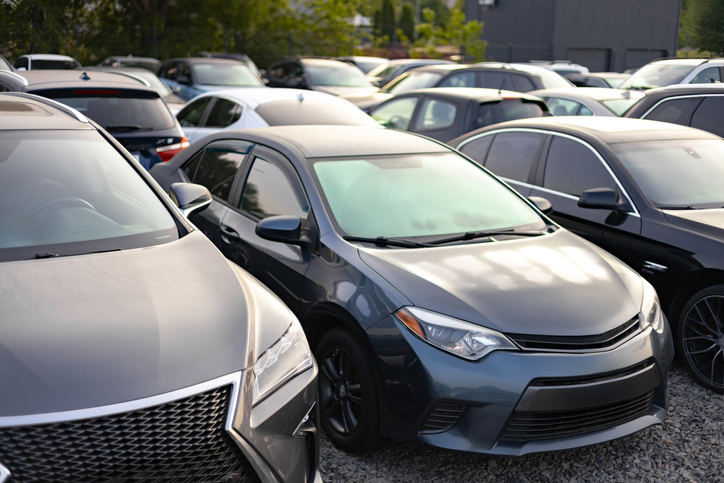
If you have searched “clear my car at Tin Can Island Port”, you are probably at the point where the excitement of importing a vehicle has turned into questions: How much will Customs charge? What documents do I need? Where do I start? How long will my car stay at the port?
Clearing a vehicle at Tin Can Island Port in Lagos is not simply a matter of paying Customs duty and driving away. There are several stages involving documentation, customs processing, terminal procedures, examination where required, payments and final release.
The good news is that the process becomes much easier when the paperwork is correct and someone familiar with port operations is coordinating the clearance.
Travo.ng can help coordinate the logistics around vehicle clearance, cargo movement and delivery so you are not left trying to figure out every step yourself.
Your car has arrived at Tin Can Island Port. What happens next?
Once your vehicle arrives and is discharged at Tin Can Island Port, the first priority is confirming its location, shipment details and documentation.
Depending on how the vehicle was shipped, you may need documents such as:
- Bill of Lading
- Commercial invoice or purchase invoice
- Vehicle details and identification information
- Form M and related import documentation, where applicable
- Customs declaration documents
- Evidence of ownership or purchase
- Valid identification and importer information
- Any other documents required for the specific shipment
The exact documentation can vary depending on the vehicle, importer and shipment arrangement.
The Nigeria Customs Service has also introduced digital platforms intended to make trade and customs processing more organised, including the B’Odogwu trade platform and other electronic services.
This is why it is better to check your paperwork before the vehicle reaches the terminal rather than discovering a missing document after the car has already started accumulating port-related charges.
Do I need a customs clearing agent for my car?
For most private vehicle importers, using a licensed customs agent is the practical route.
A customs agent understands how to prepare and process declarations, interact with Customs, handle documentation and follow up on the shipment through the clearance process. The Nigeria Customs Service describes a Customs Agent as a licensed professional who facilitates the clearance of imports and exports and handles the necessary documentation and compliance requirements.
This matters because a first-time importer may know how to buy a car abroad but have little experience dealing with Nigerian port procedures.
For example, someone importing a Toyota from the United States may assume the only significant payment is the import duty. In reality, there can be several other charges connected to terminal handling, shipping, documentation, examination and releasing the vehicle.
Having the right person coordinate the process can save unnecessary trips to the port and reduce avoidable delays.
How much does it cost to clear a car at Tin Can Island Port?
There is no single price for clearing every vehicle at Tin Can Island Port.
The amount you pay depends on factors such as:
- Vehicle make and model
- Year of manufacture
- Customs-assessed value
- Engine capacity and vehicle classification
- Country of origin
- Applicable duty and taxes
- Shipping and terminal charges
- Storage or demurrage, if applicable
- Examination or other port-related charges
- Agent and documentation fees
This is why you should be cautious when someone gives you a flat figure without first looking at the actual vehicle and shipment documents.
For instance, the amount required to clear a relatively recent SUV can be substantially different from what is required for an older saloon car. Two vehicles that look similar can also have different clearance costs depending on their specifications and Customs assessment.
A proper quotation should therefore separate the major costs instead of simply saying, “Bring ₦X million and I will clear it.”
Why the Customs value of your car matters
One of the biggest mistakes importers make is calculating their expected clearance cost only from the amount they paid the foreign seller.
Customs assessment does not necessarily work as simply as converting the purchase price into naira.
The applicable valuation, tariff classification, taxes and other factors determine the amount payable. The Nigeria Customs Service provides official trade and customs channels for import processing and tariff-related information, so clearance costs should be checked against the current applicable requirements rather than relying on an old WhatsApp price list.
If you are planning to import a vehicle, it is therefore sensible to get a clearance estimate before the vehicle is shipped.
That way, you know whether the total landed cost still makes financial sense.
What happens if Customs examines the vehicle?
Not every shipment moves through exactly the same clearance path.
A vehicle may be subject to inspection or examination as part of Customs procedures. If examination is required, the vehicle may need to be presented for inspection before the clearance process can be completed.
This is one reason clearance times can vary significantly.
The Nigeria Customs Service’s 2024 Time Release Study found that consignments at Tin Can Island Port took an average of about 4 days, 21 hours and 42 minutes to clear, although the time varied considerably depending on whether cargo was scanned, physically examined or processed through fast-track channels. The study also identified idle time between booking, examination and exit as a major source of delays.
That figure should not be treated as a guaranteed timeline for your vehicle. A car with complete documentation and a straightforward process may move differently from one affected by examination, missing documents, payment issues or terminal delays.
How long does it take to clear a car at Tin Can Port?
A realistic answer is: it depends on the shipment and how quickly each stage is completed.
Your vehicle could be delayed by:
- Missing or incorrect documentation
- Customs valuation or declaration issues
- Physical examination
- Payment or confirmation issues
- Terminal procedures
- Shipping documentation problems
- Outstanding charges
- Storage or operational delays
The important thing is to start the process early.
If you wait until you urgently need the car before checking the paperwork, you may find yourself paying additional charges while trying to resolve issues that could have been handled before arrival.
Don’t confuse Customs clearance with getting the car out of the port
This is an important distinction for first-time importers.
Customs clearance is one part of the process. Getting the vehicle physically out of Tin Can Island Port involves other terminal and release procedures as well.
Think of the process as several connected stages:
Vehicle arrival → Documentation → Customs declaration → Assessment → Payment → Examination where required → Customs/terminal release procedures → Vehicle exit → Delivery
A vehicle can therefore have its Customs obligations handled while you are still waiting for other release or terminal requirements to be completed.
This is where having someone coordinate the entire movement becomes useful.
What if your car has been sitting at Tin Can for days?
If your vehicle has been at the port longer than expected, don’t simply assume that paying more money will make it move faster.
First find out where the delay actually is.
Ask:
- Has the vehicle been properly located?
- Are all shipping documents available?
- Has the Customs declaration been processed?
- Has Customs assessed the vehicle?
- Are there outstanding payments?
- Is examination required?
- Has the vehicle been released by the relevant parties?
- Are there terminal charges outstanding?
- Is the vehicle ready for exit?
The answer to these questions will tell you much more than simply asking an agent, “Why is my car still there?”
What documents should you prepare before your car arrives?
If you have a vehicle on the water, do not wait until it reaches Lagos before gathering everything.
Prepare your documentation early and make sure the names and vehicle details are consistent.
Pay particular attention to:
- Vehicle identification details
- Importer information
- Shipping information
- Invoice details
- Bill of Lading information
- Customs documentation
- Identification and registration details
- Any permits or supporting documents relevant to the shipment
Small inconsistencies can become frustrating when a vehicle is already sitting inside a busy port environment.
The Nigeria Customs Service’s current importer registration system also requires identification information such as NIN or TIN, depending on whether the importer is an individual or company.
Common mistakes people make when clearing cars in Lagos
Waiting until the car arrives before finding an agent
This is one of the easiest ways to create unnecessary pressure.
Find your clearance arrangement early so the agent has enough time to review the shipment documents.
Accepting a clearance quote without a breakdown
If someone gives you one large figure, ask what it covers.
A useful quotation should distinguish Customs-related payments from agent fees, terminal charges, delivery and other expenses.
Assuming every car has the same duty
It doesn’t.
Your vehicle’s specifications and Customs assessment matter, so don’t use what your friend paid for a different car as your exact budget.
Ignoring storage and terminal timelines
Delays can become expensive when a vehicle remains at the port while charges continue to accumulate.
Using an unverified intermediary
Customs clearance involves money, documents and access to a regulated process. Work with properly authorised professionals and insist on documentation for payments.
Can Travo.ng help after the car has been cleared?
Yes. Clearance is only one part of getting an imported vehicle into your hands.
Once the vehicle is released, you may still need to move it from Tin Can Island to another part of Lagos or to another Nigerian city.
For example, the owner of a newly imported vehicle may need:
- Port-to-home vehicle movement
- Delivery to a dealership
- Interstate transport
- Relocation logistics
- Cargo or vehicle coordination
- Transport support for business operations
Travo.ng can help coordinate relevant logistics and delivery requirements so that the vehicle does not remain at the port simply because the owner has not arranged what happens after release.
This is particularly useful if you live outside Lagos. Someone importing a car for use in Abuja, Ibadan, Benin City or Port Harcourt should think about the onward movement before the vehicle is cleared.
A practical way to plan your car clearance
If your car is arriving at Tin Can Island Port, use this simple approach:
Before arrival:
Confirm the shipment details, gather your documents and arrange your customs clearance support.
When the vehicle arrives:
Confirm discharge and location information and ensure the documentation is ready for processing.
During Customs processing:
Track assessment, payments and any examination or additional requirements.
Before release:
Confirm that the necessary Customs and terminal procedures have been completed.
After release:
Arrange transportation from the port to your home, office, dealership or another Nigerian city.
This approach is much better than treating port clearance as one single payment and hoping the car appears at the gate afterwards.
Clearing a car at Tin Can Island doesn’t have to be confusing
If your search was simply “clear my car at Tin Can Island Port,” the most important thing to understand is that vehicle clearance is a process, not a single transaction.
The final amount depends on your vehicle and shipment. The timeline depends on documentation, Customs processing, examination where applicable and terminal procedures. And once the vehicle is released, you still need a reliable way to move it from the port.
Planning these stages early can prevent unnecessary delays and unexpected costs.
For vehicle owners, importers and businesses that need support beyond the Customs process, Travo.ng can coordinate relevant cargo logistics, delivery and transport services, helping you move your vehicle from the port to its next destination.
When your car arrives at Tin Can Island Port, the goal should not simply be to clear it. The goal is to clear it properly, avoid unnecessary delays and get it safely to where you actually need it.
Related Travo.ng services
Depending on your needs, you may also find these services useful:
- Customs clearance support
- Cargo logistics
- Delivery services
- Heavy equipment and vehicle transport
- Intercity transport
- Driver and pickup services
- Relocation logistics
- Delivery tracking
