


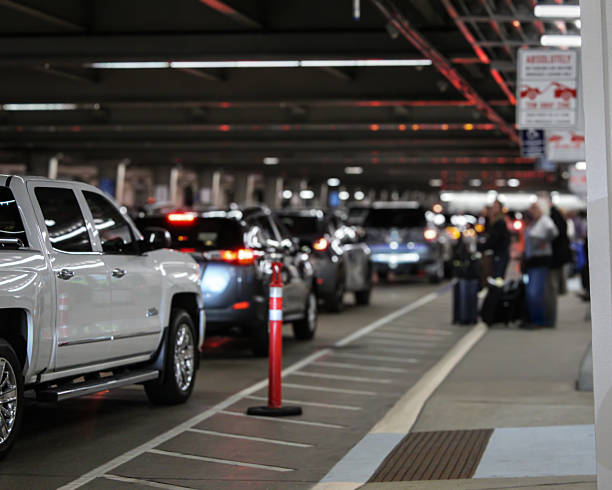
Importing a car into Nigeria can feel straightforward until the vehicle reaches the port.
You may have already paid the seller, arranged shipping and received the Bill of Lading. Then the questions start: How much will Customs charge? Which documents are needed? How long will the car stay at the port? What happens if clearance is delayed? And who will move the vehicle from the terminal once it is released?
This is where car clearing services in Nigeria become important.
Clearing an imported vehicle is not simply a matter of paying Customs duty. The process involves documentation, customs valuation and classification, terminal procedures, examination, payment of applicable charges and eventually getting the vehicle out of the port.
For Nigerians importing vehicles through Lagos, understanding this process before the vessel arrives can save money and prevent avoidable delays.
Before You Ship the Car, Check That It Can Be Imported
One of the most expensive mistakes is buying a vehicle first and checking the import rules afterwards.
Nigeria’s Trade Portal currently lists used motor vehicles above 12 years from the year of manufacture among goods prohibited from importation. That means the age of a used vehicle should be checked before you commit money to the purchase or shipping arrangement.
This is particularly important when buying older vehicles from auction platforms in the United States, Canada, the UK or Japan. A car that looks affordable at auction can become a problem if it does not meet Nigeria’s import requirements.
Before shipping, confirm:
- The vehicle’s year of manufacture
- Vehicle Identification Number (VIN)
- Make and model
- Engine specifications
- Import documentation
- Shipping arrangements
- Applicable customs classification
- Whether the vehicle is subject to any restriction
It is much easier to resolve an import issue before the vehicle leaves the country of origin than after it arrives at a Nigerian port.
What Actually Happens When Your Car Gets to a Nigerian Port?
Most vehicle importers dealing with overseas shipments will encounter Lagos ports and terminals, particularly facilities serving Apapa and Tin Can Island.
The exact process can vary depending on the shipping method, terminal and documentation, but the general sequence involves:
- The vessel arrives and the vehicle is discharged.
- Shipping and import documentation is processed.
- Customs declaration and assessment are handled.
- Customs examines or verifies the vehicle where required.
- Applicable duties, taxes and charges are paid.
- Customs release procedures are completed.
- Terminal and shipping-line requirements are settled.
- The vehicle is released for collection.
- The car is transported from the port to its destination.
This is why clearing a car is different from simply “paying Customs.”
There are several parties and charges involved, and a delay at one stage can affect the next.
How Customs Determines What You Pay
A common mistake among first-time importers is asking for the clearing cost based only on the price they paid for the vehicle.
Customs valuation does not necessarily work that way.
The Nigeria Customs Service explains that two important factors are tariff classification and customs valuation. The classification determines the applicable tariff treatment, while valuation determines the value used for duty assessment.
The official NCS tariff platform allows traders to check HS classifications and applicable duty information under the current tariff framework.
This matters because two vehicles with different specifications may not necessarily produce identical clearance calculations.
For an accurate estimate, a clearing professional will generally need information such as:
- Vehicle make and model
- Year of manufacture
- Engine capacity
- Vehicle type
- VIN
- Country of origin
- Shipping documents
- Customs valuation information
- Port or terminal details
So, if someone gives you a final clearing figure without first asking for basic vehicle information, be cautious.
Why Your Purchase Price Is Not Your Total Import Cost
Imagine you buy a used Toyota from an overseas auction for what looks like a good price.
You might think:
Car price + shipping = total cost.
In reality, you may still need to account for customs duties and taxes, shipping-line charges, terminal handling, documentation, agent fees and inland transportation.
The Nigerian Ports Authority publishes separate port tariff information, including vehicle-related handling charges, demonstrating that port costs are distinct from the vehicle’s purchase price and customs assessment.
Other possible costs can include:
- Customs duties and applicable taxes
- Terminal handling
- Shipping-line charges
- Documentation
- Clearing agent charges
- Storage
- Demurrage if applicable
- Vehicle examination-related expenses
- Transport from the port
- Other approved port or statutory charges
The exact amount depends on the vehicle, terminal, shipping arrangement and current applicable charges.
That is why it is better to ask for a full landed-cost estimate rather than simply asking, “How much is it to clear a car?”
A Simple Example of Why Delays Can Become Expensive
Suppose your car arrives at the port on Monday but your documentation is not ready.
You might spend the first few days trying to resolve paperwork, obtain information or correct an issue with the declaration.
If the vehicle remains at the terminal beyond the applicable free period, storage or demurrage may become an additional expense.
This is one reason experienced importers start the clearance process before or immediately around vessel arrival rather than waiting until the vehicle has been sitting at the terminal.
The objective is not merely to clear the car eventually. It is to move through the process efficiently while keeping unnecessary port costs under control.
The Documents You Should Have Ready
The exact documentation required can depend on the transaction and current regulatory requirements, but imported vehicles commonly involve documents such as:
- Bill of Lading
- Commercial invoice or purchase documentation
- Vehicle details and VIN
- Import declaration/customs documentation
- Relevant shipping documents
- Identification and importer information
- Other documents requested by Customs or the relevant terminal
Do not wait until the car arrives before checking your paperwork.
A missing or inconsistent document can create unnecessary back-and-forth, especially when the information on the shipping documents does not match the vehicle details.
For commercial importers clearing several vehicles, document control becomes even more important because one small error can affect multiple consignments.
Choosing Between RoRo and Container Shipping
The way your vehicle arrives can also affect the clearance process.
RoRo (Roll-on/Roll-off) shipping is commonly used for vehicles that can be driven onto the vessel. The vehicle is transported as a unit rather than being packed inside a shipping container.
Container shipping is another option and may make sense depending on the vehicle, shipment arrangement and whether other goods are being transported.
Neither option should automatically be considered cheaper in every situation.
When comparing quotes, look beyond the shipping price. Ask what is included and what you will still pay when the vehicle reaches Nigeria.
A quote that looks cheaper overseas can become more expensive once terminal, documentation and destination charges are added.
Common Mistakes Nigerian Car Importers Make
1. Choosing a car based only on the auction price
A cheap vehicle is not necessarily a cheap vehicle to own in Nigeria.
Before bidding, estimate the purchase price, shipping, customs assessment, port charges, clearance and transportation.
2. Waiting until arrival before looking for a clearing agent
By the time the vehicle arrives, you may already be under pressure.
It is better to understand the clearance process and documentation requirements before the vessel reaches Nigeria.
3. Accepting a vague “all-inclusive” price
Ask what the quoted amount covers.
Does it include Customs payments? Agent fees? Terminal charges? Shipping-line charges? Delivery from the port?
Get the breakdown in writing.
4. Using incorrect vehicle information
The VIN, model, year and other vehicle specifications matter. Incorrect information can create problems during assessment and verification.
5. Ignoring port delays
A car sitting at the port is not simply waiting for you.
Depending on the circumstances and applicable free periods, additional storage or demurrage can increase your total cost.
6. Choosing an agent solely because they promise the lowest price
The cheapest quote is not always the best option.
A responsible clearance process should prioritise proper documentation, transparent charges and compliance with Customs requirements.
How Long Does Car Clearance Take in Nigeria?
There is no single guaranteed number of days for every imported vehicle.
A straightforward clearance can move relatively quickly when documentation is complete and there are no complications. Delays can occur when there are valuation questions, documentation problems, inspections, payment issues, terminal congestion or other operational matters.
This is why an agent should be able to explain what stage your vehicle is currently at, rather than simply saying, “We are working on it.”
For example, there is a meaningful difference between:
“Your car is at the port.”
and:
“The vehicle has arrived, documentation has been processed, Customs assessment is being handled and we are waiting for the next release stage.”
The second gives you something useful to work with.
What to Ask Before Hiring Car Clearing Services
Before handing your vehicle clearance to an agent, ask these questions:
- What documents do you need from me?
- Which Nigerian port or terminal is handling the vehicle?
- Has the vehicle arrived?
- How will the customs assessment be determined?
- What charges are included in your quotation?
- Which charges will I pay separately?
- How will I receive evidence of statutory payments?
- What happens if Customs requests additional information?
- Is transportation from the port included?
- How will you update me during the process?
A professional answer should be clear enough for you to understand what you are paying for.
Clearing a Car Is Only Half the Logistics Job
Getting the vehicle released from the terminal does not necessarily mean your logistics work is finished.
If the car is being delivered to a customer, dealership, office or residence outside Lagos, you still need to arrange transportation from the port.
For example, an importer in Abuja may have successfully cleared a vehicle at Tin Can Island but still needs to move it from Lagos to Abuja.
Similarly, a dealer in Ibadan, Benin City or Port Harcourt may need a reliable vehicle transport arrangement after clearance.
This is where transport coordination and vehicle logistics become part of the wider import process.
Instead of arranging customs clearance and vehicle movement as completely separate tasks, it can be more practical to coordinate both from the beginning.
How Travo.ng Can Help With the Logistics Around Vehicle Importation
Travo.ng provides logistics and transport-related services designed to help customers coordinate movement and delivery requirements.
For someone importing a vehicle into Nigeria, the need may not stop at customs clearance. You may also need help coordinating cargo movement, transportation or delivery after the vehicle is released.
Travo.ng can help customers organise relevant cargo logistics, delivery services and transport coordination around their wider logistics needs.
The important thing is to explain exactly what you are moving, where it is coming from, where it needs to go and when you need it. That makes it easier to determine the right logistics arrangement rather than simply choosing the cheapest transport option.
A Better Way to Budget for Your Imported Car
Before buying an overseas vehicle, create a simple landed-cost calculation:
Purchase price
- International shipping
- Customs duties and applicable taxes
- Port and terminal charges
- Clearing/agent fees
- Possible storage or demurrage
- Transport from the port
= Estimated landed cost in Nigeria
This calculation gives you a much better picture of whether importing the vehicle makes financial sense.
For example, a car that looks like a bargain at an overseas auction may no longer be attractive once all associated costs are included.
That is especially important for people importing vehicles for resale. Your final landed cost directly affects your selling price and potential margin.
Don’t Wait Until the Car Is at the Port
The easiest time to solve a vehicle clearance problem is usually before the vehicle becomes a port problem.
Before shipping, check the vehicle’s eligibility, documents, shipping arrangements and likely customs treatment. Once the vehicle is on its way, make sure the paperwork is ready and that someone is responsible for following the clearance process.
For Nigerians importing vehicles regularly, having a reliable logistics partner can also make the process easier because you do not have to coordinate every stage from scratch for each shipment.
The Nigeria Customs Service provides official tariff and trade tools for checking applicable customs information, while the Nigeria Trade Portal also provides tariff searches, trade guidance and taxation-related tools.
Planning to Clear a Car in Nigeria?
If your vehicle is coming through a Nigerian port, do not base your budget on the purchase price alone.
Check the vehicle’s eligibility, prepare your documentation, understand how Customs valuation works and account for terminal and transportation costs. Most importantly, use a transparent process where you can clearly see what each charge covers.
Whether you are importing one car for personal use or coordinating multiple vehicles for a dealership, good planning can prevent avoidable delays and unexpected costs.
With Travo.ng, you can also coordinate relevant logistics, delivery and transport requirements connected to moving goods and vehicles within Nigeria, giving you a practical way to manage the movement of your shipment after the clearance stage.
