


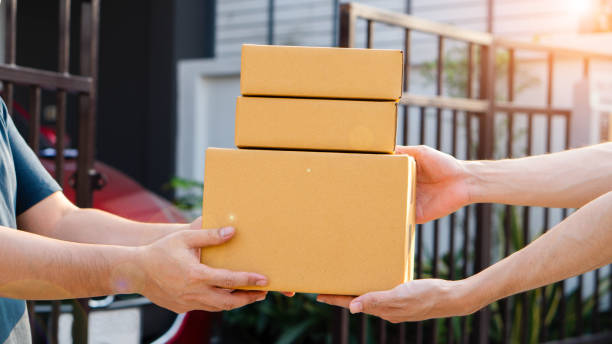
Delivery logistics involves planning, coordinating, and transporting goods from a pickup point to their final destination. It is an important part of business operations in Nigeria, particularly for companies that sell products online, distribute goods, or regularly send items to customers across different cities and states.
A well-organised delivery logistics process can help businesses reduce delays, control transportation costs, and provide customers with a better experience.
What Is Delivery Logistics?
Delivery logistics covers the activities involved in moving goods from one location to another.
This can include:
- Order collection.
- Pickup scheduling.
- Packaging.
- Transportation.
- Route planning.
- Local delivery.
- Interstate transportation.
- Door-to-door delivery.
- Final-mile delivery.
- Delivery coordination.
The process can be simple for a single parcel or more complex when a business has many orders going to different destinations.
Delivery Logistics for Businesses
Businesses rely on delivery logistics to move products between suppliers, warehouses, branches, and customers.
It can support:
- E-commerce businesses.
- Retailers.
- Manufacturers.
- Wholesalers.
- Distributors.
- Restaurants.
- Offices.
- Small businesses.
For example, an online retailer may receive orders throughout the day, organise the products, and arrange transportation to customers in different parts of Lagos or other states.
Local Delivery Logistics
Local delivery logistics involves transporting goods within the same city.
In Lagos, deliveries may take place between areas such as:
- Ikeja.
- Lekki.
- Ajah.
- Yaba.
- Surulere.
- Gbagada.
- Maryland.
- Ikoyi.
- Victoria Island.
- Oshodi.
- Apapa.
- Ikorodu.
Traffic is an important consideration when planning deliveries in Lagos, particularly during peak periods.
Interstate Delivery Logistics
Businesses may also need to send goods across state borders.
Common routes include:
- Lagos to Abuja.
- Abuja to Lagos.
- Lagos to Ilorin.
- Lagos to Ibadan.
- Lagos to Benin City.
- Lagos to Port Harcourt.
- Lagos to Enugu.
- Lagos to Kano.
- Abuja to Kaduna.
Interstate delivery requires additional planning because of the longer distances, vehicle requirements, road conditions, and delivery schedules involved.
Last-Mile Delivery
Last-mile delivery refers to the final stage of transporting goods to the customer.
This is particularly important for online businesses because the final delivery can directly affect the customer’s experience.
Effective last-mile logistics can help businesses manage:
- Customer addresses.
- Delivery schedules.
- Multiple orders.
- Failed deliveries.
- Customer communication.
- Returns.
How Much Does Delivery Logistics Cost?
Delivery logistics costs vary depending on the requirements of each shipment.
Factors that can affect the cost include:
- Distance.
- Package size.
- Package weight.
- Pickup location.
- Destination.
- Vehicle type.
- Delivery speed.
- Number of deliveries.
- Loading and unloading.
- Special handling requirements.
Businesses with regular deliveries may also need a different arrangement from customers sending occasional individual parcels.
How to Improve Delivery Logistics
Businesses can improve their delivery process by:
- Keeping accurate customer addresses.
- Organising orders before pickup.
- Choosing appropriate vehicles.
- Planning delivery schedules.
- Grouping nearby deliveries where practical.
- Communicating clearly with customers.
- Using suitable storage and transportation arrangements.
Good preparation can reduce unnecessary delays and transportation costs.
Choosing a Delivery Logistics Provider
Before choosing a provider, consider:
- Delivery coverage.
- Reliability.
- Pricing.
- Delivery speed.
- Vehicle options.
- Experience.
- Customer support.
- Ability to handle your type of goods.
- Capacity for regular deliveries.
A provider should be able to match its transportation solution to your business requirements.
Delivery Logistics with Travo.ng
Travo.ng helps individuals and businesses coordinate transportation and logistics solutions according to their delivery requirements.
Arrangements can be considered around:
- Pickup location.
- Delivery destination.
- Cargo type.
- Number of items.
- Vehicle requirements.
- Delivery schedule.
- Local or interstate transportation.
- Business delivery needs.
This can help businesses organise the movement of products between suppliers, warehouses, branches, and customers.
Why Choose Travo.ng?
Effective delivery logistics requires more than simply finding a vehicle. It involves coordinating the pickup, transportation, destination, timing, and requirements of the goods being moved.
Travo.ng helps coordinate suitable transportation and logistics solutions based on your cargo, locations, schedule, and business needs, making it easier to manage deliveries across Nigeria.
