


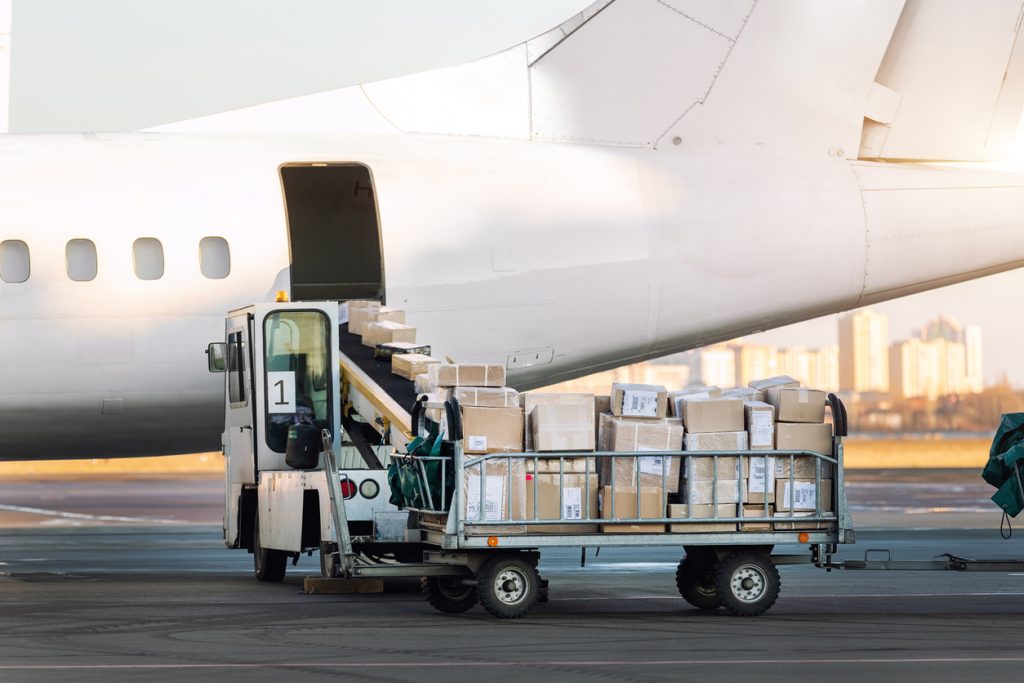
As ecommerce competition grows in Nigeria, delivery speed is becoming one of the biggest factors affecting customer satisfaction.
Many customers no longer want to wait:
- Several days
- Unpredictable delivery timelines
- Delayed interstate shipping
especially for products like:
- Electronics
- Fashion items
- Medical supplies
- Luxury goods
- Urgent business inventory
This is why more ecommerce businesses are now combining:
- Warehousing
- Air freight
- Last-mile delivery
to move products from storage facilities directly to customers much faster.
For businesses handling nationwide orders, warehouse-to-customer air freight delivery can significantly reduce shipping time between cities like:
- Lagos
- Abuja
- Port Harcourt
- Kano
- Enugu
- Uyo
while improving customer experience.
This guide explains how ecommerce warehouse air freight logistics works in Nigeria, the operational challenges involved, and why many growing online businesses are investing more heavily in faster fulfillment systems.
What Warehouse-to-Customer Air Freight Actually Means
This logistics model combines:
- Inventory storage
- Order fulfillment
- Air cargo transportation
- Final customer delivery
under one coordinated process.
Instead of shipping products slowly through interstate road transport, ecommerce businesses move orders by air from warehouse hubs to destination cities, then complete final delivery using:
- Dispatch riders
- Delivery vans
- Local courier networks
For example:
A business storing inventory in Lagos can receive a customer order from Abuja in the morning, process it inside the warehouse, move the package by air cargo, and complete local delivery within a much shorter timeframe than road transport would allow.
Why Ecommerce Businesses Are Moving Toward Faster Fulfillment
Customer expectations have changed significantly in Nigeria.
Many buyers now expect:
- Faster interstate shipping
- Better tracking visibility
- More reliable delivery timelines
- Professional fulfillment systems
especially when ordering online.
Businesses that cannot deliver quickly often struggle with:
- Customer complaints
- Cart abandonment
- Refund requests
- Negative reviews
This is particularly true for:
- Premium ecommerce brands
- Electronics stores
- Fast-moving retail businesses
- Corporate suppliers
where delivery speed directly affects customer trust.
Lagos Is the Main Ecommerce Fulfillment Hub
Most air freight ecommerce operations currently begin from Lagos because of:
- Warehouse availability
- Airport cargo infrastructure
- Ecommerce concentration
- Dispatch rider networks
- Import logistics access
Areas around:
- Ikeja
- Lekki
- Yaba
- Oshodi
- Ajao Estate
have become major ecommerce fulfillment zones because they are close to:
- Murtala Muhammed International Airport
- Dispatch corridors
- Commercial inventory hubs
Many businesses now store imported inventory in Lagos warehouses before shipping customer orders nationwide.
Air Freight Helps Reduce Interstate Delivery Delays
Road transport between Nigerian cities still faces major problems such as:
- Traffic congestion
- Poor highways
- Security checkpoints
- Vehicle breakdowns
- Weather disruption
For ecommerce businesses, these delays can affect:
- Delivery timelines
- Product quality
- Customer satisfaction
- Repeat sales
Air freight helps businesses move urgent orders faster between:
- Lagos and Abuja
- Lagos and Port Harcourt
- Lagos and Kano
- Lagos and Enugu
especially for:
- High-value items
- Fragile products
- Time-sensitive shipments
The Types of Ecommerce Businesses Using Air Freight Most
Air freight is especially common for businesses selling:
- Smartphones
- Laptops
- Medical products
- Fashion items
- Beauty products
- Small electronics
- Urgent corporate inventory
These products are often:
- High value
- Lightweight
- Time-sensitive
which makes faster shipping more practical despite higher transport costs.
For example:
A customer ordering a premium phone in Abuja may expect next-day delivery instead of waiting several days for interstate road shipping.
How the Fulfillment Process Usually Works
A typical warehouse-to-customer air freight operation may include:
- Inventory stored inside warehouse
- Customer places online order
- Warehouse processes and packages item
- Cargo moves to airport terminal
- Shipment flies to destination city
- Local rider or courier completes final delivery
- Customer receives delivery confirmation
This process requires tight coordination between:
- Warehouse staff
- Cargo handlers
- Airlines
- Dispatch riders
- Customer support teams
because delays at any stage affect delivery timelines.
Same-Day and Next-Day Delivery Are Driving Demand
Many Nigerian ecommerce businesses now market:
- Same-day interstate delivery
- Next-day nationwide shipping
- Express fulfillment
as premium customer services.
This is especially important during:
- Holiday shopping periods
- Flash sales
- Product launches
- Corporate procurement deadlines
because customers increasingly prioritise convenience and speed.
Warehousing Is Becoming More Strategic
Warehouses are no longer used only for storage.
Modern ecommerce fulfillment warehouses now also handle:
- Packaging
- Dispatch coordination
- Bulk order processing
- Return management
- Delivery staging
Businesses increasingly position warehouses near:
- Airports
- Major dispatch corridors
- Commercial hubs
to reduce shipping time.
Last-Mile Delivery Still Matters Most
Even with fast air cargo movement, customer experience still depends heavily on final delivery coordination.
Once products arrive in:
- Abuja
- Port Harcourt
- Kano
- Enugu
businesses still require:
- Dispatch riders
- Delivery vans
- Customer communication
- Route coordination
A shipment may arrive quickly by air but still get delayed during local delivery if logistics coordination is poor.
What Businesses Usually Want From Air Freight Fulfillment Providers
Ecommerce businesses typically prioritise:
- Fast processing speed
- Reliable cargo movement
- Tracking visibility
- Safe handling
- Delivery coordination
- Customer communication
because delivery experience now affects:
- Online reviews
- Customer retention
- Repeat sales
- Brand reputation
very quickly.
Technology Is Improving Ecommerce Air Logistics
Modern ecommerce logistics systems increasingly use:
- Warehouse management software
- Cargo tracking systems
- Automated dispatch notifications
- Ecommerce integrations
- Delivery APIs
Businesses now expect:
- Real-time shipment visibility
- Faster communication
- Easier fulfillment management
- Better customer updates
instead of relying entirely on manual coordination.
Common Challenges Businesses Still Face
Air Cargo Costs
Air freight remains more expensive than road transport.
Airport Processing Delays
Cargo handling and airline schedules can affect delivery timing.
Poor Last-Mile Coordination
Final delivery after airport arrival still affects customer satisfaction heavily.
Inventory Management Problems
Without proper warehouse systems, fulfillment mistakes increase quickly.
Travo.ng Helps Coordinate Ecommerce Logistics Across Nigeria
Businesses using warehouse-to-customer air freight often require broader logistics coordination beyond cargo movement alone.
Travo.ng helps businesses coordinate:
- Interstate delivery
- Cargo logistics
- Dispatch rider support
- Vehicle hire
- Airport pickups
- Business transport services
especially for businesses operating across Lagos, Abuja, Port Harcourt, Kano, and other commercial hubs.
Whether handling:
- Fast ecommerce shipping
- Inventory movement
- Air cargo coordination
- Last-mile fulfillment
structured logistics support helps businesses move faster and operate more efficiently.
Faster Fulfillment Is Becoming a Major Ecommerce Advantage
As Nigerian ecommerce continues growing, businesses that deliver faster will increasingly stand out.
Companies capable of combining:
- Warehousing
- Air freight
- Dispatch coordination
- Real-time tracking
- Organized fulfillment systems
will continue gaining a strong competitive advantage.
For many online businesses today, delivery speed is no longer just a logistics issue.
It is now a major part of customer experience and long-term business growth.
