


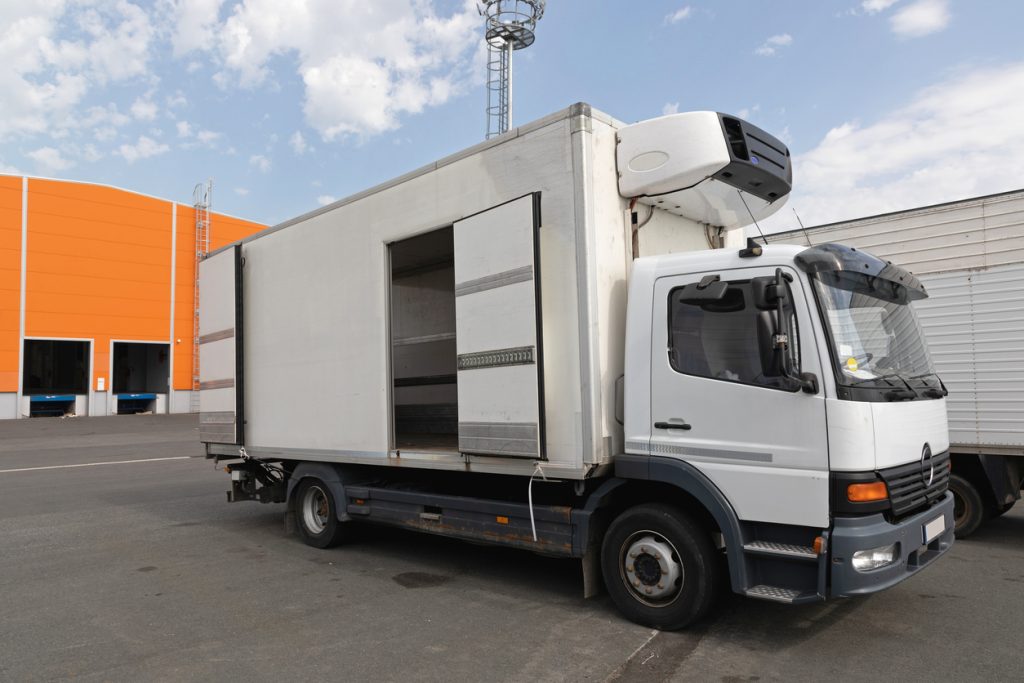
Moving temperature-sensitive products across Nigeria is one of the most difficult logistics operations in the country.
Unlike regular cargo transport, cold chain logistics requires products to remain within controlled temperature ranges throughout:
- Storage
- Transportation
- Delivery
- Distribution
Even a short delay in Lagos traffic or a refrigeration failure during interstate movement can destroy:
- Frozen foods
- Vaccines
- Pharmaceuticals
- Dairy products
- Seafood
- Fresh produce
This is why businesses handling temperature-sensitive goods now depend heavily on structured cold chain logistics providers.
As Nigeria’s:
- Food distribution sector
- Pharmaceutical industry
- E-commerce grocery market
- Hospitality industry
continue growing, demand for reliable refrigerated transport and cold storage has increased significantly.
This guide explains how cold chain logistics works in Nigeria, the operational challenges involved, and what businesses should know before choosing a cold logistics partner.
What Cold Chain Logistics Actually Means
Cold chain logistics refers to the transportation and storage of products under controlled temperature conditions.
This usually includes:
- Refrigerated trucks
- Cold storage warehouses
- Temperature monitoring systems
- Frozen product handling
- Last-mile refrigerated delivery
Products commonly transported through cold chain systems include:
- Frozen chicken
- Seafood
- Ice cream
- Fresh vegetables
- Dairy products
- Vaccines
- Medical supplies
- Laboratory materials
The biggest challenge is maintaining stable temperatures throughout the journey.
Because once temperature-sensitive goods spoil, the losses can become extremely expensive.
Why Cold Chain Logistics Is Difficult in Nigeria
Nigeria presents several operational problems for refrigerated transport companies.
Traffic Delays
Heavy congestion in:
- Lagos
- Abuja
- Port Harcourt
can affect delivery timing significantly.
A frozen food truck delayed for several hours in Lekki traffic faces very different risks from ordinary cargo transport.
Poor Road Conditions
Interstate refrigerated movement between:
- Lagos and Abuja
- Lagos and Kano
- Port Harcourt and Enugu
often involves rough roads that increase:
- Fuel consumption
- Refrigeration strain
- Vehicle maintenance costs
Power Supply Challenges
Cold storage facilities require constant electricity.
Most operators therefore depend heavily on:
- Diesel generators
- Backup refrigeration systems
- Fuel management planning
to avoid spoilage.
The Main Industries Using Cold Chain Logistics
Several sectors now depend heavily on refrigerated logistics operations.
Food and Beverage Distribution
Restaurants, supermarkets, and food suppliers regularly transport:
- Frozen foods
- Fresh produce
- Dairy products
- Processed meat
Cold logistics is especially important in:
- Lagos supermarkets
- Hotel supply chains
- Quick-service restaurant operations
because food safety directly affects business reputation.
Pharmaceutical Cold Chain Operations
Medical logistics is one of the fastest-growing cold chain sectors in Nigeria.
Pharmaceutical distributors now transport:
- Vaccines
- Insulin
- Laboratory samples
- Temperature-sensitive medications
These products require strict temperature monitoring during:
- Storage
- Transit
- Delivery
Hospitals and pharmacies increasingly depend on specialised cold chain providers instead of ordinary delivery companies.
E-Commerce Grocery Delivery Is Expanding Demand
Online grocery delivery has increased demand for:
- Refrigerated vans
- Same-day cold delivery
- Temperature-controlled warehousing
especially in Lagos and Abuja.
Customers ordering:
- Frozen foods
- Seafood
- Fresh groceries
expect products to arrive in proper condition despite traffic and weather conditions.
This has pushed logistics companies to invest more in:
- Refrigerated vehicles
- Delivery scheduling systems
- Route optimisation
What Businesses Usually Look for in Cold Chain Providers
Companies handling temperature-sensitive goods usually prioritise:
- Reliable refrigeration systems
- Delivery speed
- Real-time temperature monitoring
- Backup power systems
- Fleet maintenance
- Proper handling procedures
A refrigeration breakdown during transport can lead to:
- Product spoilage
- Financial loss
- Regulatory problems
- Customer complaints
This is why reliability matters more than cheap pricing in cold chain logistics.
Lagos Is the Centre of Nigeria’s Cold Logistics Industry
Lagos remains Nigeria’s largest cold chain market because of:
- Seaport activity
- Supermarket distribution
- Hospitality demand
- Pharmaceutical operations
- Food importation
Areas around:
- Apapa
- Ikeja
- Lekki
- Victoria Island
- Oregun
now host growing refrigerated logistics and cold storage operations.
Cold chain companies operating in Nigeria include:
- Koolboks Cold Chain
- ColdHubs
- AGS Nigeria Logistics
- Prime Atlantic Cold Stores
- Foodpro Logistics
Many operators now also support interstate refrigerated distribution toward:
- Abuja
- Ibadan
- Port Harcourt
- Kano
Interstate Refrigerated Transport Needs Better Planning
Moving frozen or temperature-sensitive cargo across Nigeria requires:
- Careful route planning
- Refrigeration monitoring
- Fuel management
- Delivery timing coordination
For example:
- A refrigerated truck moving frozen seafood from Lagos to Abuja may travel overnight to reduce traffic delays and refrigeration pressure.
Cold chain operators often avoid:
- Peak traffic periods
- Long loading delays
- Excessive daytime heat exposure
especially during dry season months.
Technology Is Improving Cold Chain Logistics
Modern cold chain providers increasingly use:
- GPS fleet tracking
- Temperature monitoring sensors
- Real-time delivery updates
- Route optimisation systems
- Warehouse management software
Businesses now expect:
- Live temperature visibility
- Better communication
- Faster dispatch coordination
- Structured cold storage handling
instead of informal refrigerated transport arrangements.
Common Problems Businesses Face With Cold Logistics
Refrigeration Failure
Poorly maintained trucks increase spoilage risk.
Delayed Delivery
Traffic and road conditions can affect frozen cargo quickly.
Inconsistent Temperature Monitoring
Without tracking systems, businesses may not notice problems until delivery.
Poor Warehouse Conditions
Improper storage environments can damage products before dispatch.
Cold Storage Is Becoming Just as Important as Transport
Many businesses now require:
- Refrigerated warehousing
- Frozen inventory storage
- Temporary cold holding facilities
especially for:
- Imported food
- Pharmaceutical inventory
- Restaurant supply chains
- Retail grocery operations
This has increased investment in cold warehouses around:
- Lagos
- Ogun State industrial zones
- Abuja logistics corridors
Travo.ng Supports Logistics Coordination Across Nigeria
Businesses handling food distribution, pharmaceutical supply, and interstate cargo movement often require broader logistics coordination beyond transportation alone.
Travo.ng helps businesses coordinate:
- Delivery logistics
- Interstate transport
- Vehicle hire
- Cargo scheduling
- Airport pickups
- Business travel support
especially for companies operating across multiple Nigerian cities.
Reliable Cold Chain Logistics Is Essential for Modern Business
Cold chain logistics is no longer a niche service in Nigeria.
It has become critical for:
- Food distribution
- Healthcare supply chains
- E-commerce delivery
- Hospitality operations
- Pharmaceutical movement
As demand for temperature-sensitive logistics continues growing, businesses capable of providing:
- Reliable refrigeration
- Secure cold storage
- Organised delivery systems
- Structured transport coordination
will become increasingly important across Nigeria’s transport and logistics industry.
