


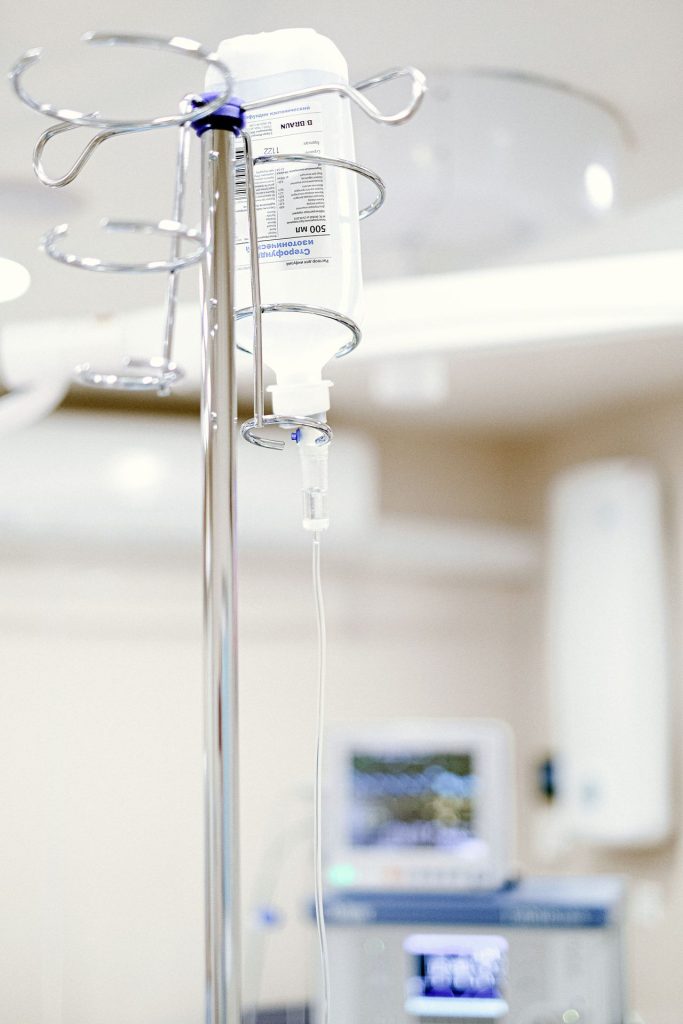
Running a healthcare distribution network in Nigeria is not as simple as putting medical supplies in a van and sending them out. Hospitals, pharmacies, laboratories, diagnostic centres, NGOs, and medical suppliers all deal with products that must arrive safely, quickly, and in usable condition.
A carton of gloves may tolerate delay, but vaccines, lab samples, blood products, insulin, reagents, and temperature-sensitive medicines need better handling. Even regular hospital consumables can cause serious disruption if they arrive late or are delivered to the wrong branch.
This is where proper planning matters. A reliable healthcare distribution network in Nigeria must understand local roads, hospital schedules, traffic pressure, security concerns, documentation, and the urgency attached to medical deliveries.
What Healthcare Distribution Looks Like on Nigerian Roads
In Nigeria, healthcare distribution usually moves through a mix of city deliveries, interstate cargo movement, and urgent point-to-point dispatch.
A medical supplier in Lagos may need to serve pharmacies in Ikeja, Lekki, Surulere, Yaba, and Victoria Island in one day. A hospital group may need consumables moved from a central store to branches in Abuja, Port Harcourt, Ibadan, Enugu, or Kano. A diagnostic centre may need lab samples picked up from partner clinics before a strict processing deadline.
These movements require different delivery methods. Some items can go by bike dispatch within Lagos. Larger cartons may need a van. Bulk medical equipment or hospital furniture may require truck movement. Sensitive medical items may need controlled handling, quick routing, and proper communication from pickup to delivery.
Travo.ng helps businesses and healthcare providers coordinate these kinds of movements by matching the delivery need with the right transport option, whether it is courier service, scheduled delivery, cargo logistics, vehicle hire, or business logistics support.
The Real Problems That Delay Medical Deliveries
Healthcare logistics in Nigeria often breaks down because the movement is treated like normal parcel delivery. Medical distribution needs tighter control.
Common problems include:
Poor route planning: A driver sent from Ikeja to Lekki at the wrong time may spend hours in traffic before reaching the facility.
Wrong vehicle choice: Sending bulky hospital supplies by small car can lead to multiple trips, delays, or damaged packaging.
Weak communication: If the receiving hospital store officer is unavailable, the driver may wait for too long or leave without completing delivery.
No clear delivery documentation: Medical facilities often need waybills, proof of delivery, item counts, and receiver details.
Temperature exposure: Some products should not sit in the sun, inside a hot boot, or in traffic for extended periods.
A good healthcare distribution network in Nigeria reduces these risks before the vehicle leaves the pickup point.
How to Plan Medical Deliveries Across Lagos, Abuja, and Other Cities
For same-day healthcare deliveries in Lagos, timing is everything. Early morning movement works better for hospital supplies going from mainland storage points to island locations. Deliveries into Lekki, Victoria Island, Ikoyi, and Marina should be planned around peak traffic periods, especially during school runs, rain, and Friday congestion.
In Abuja, delivery planning is usually smoother, but distance still matters. A pharmacy supply run from Wuse to Gwarinpa, Maitama, Asokoro, and Airport Road should be arranged in a practical sequence to avoid wasted movement.
For interstate distribution, planning becomes more serious. Lagos to Abuja cargo may take 24 to 48 hours depending on vehicle type, departure time, road conditions, and whether the delivery is direct or consolidated. Lagos to Port Harcourt, Enugu, or Kano may need more lead time, especially for bulk medical supplies.
Travo.ng can support healthcare businesses with scheduled delivery planning, cargo coordination, vehicle hire, and reliable dispatch arrangements so medical items are not moved casually or at the last minute.
What Suppliers Should Confirm Before Sending Healthcare Items
Before booking medical logistics, suppliers should confirm a few practical details.
The first is product sensitivity. Is the item fragile, temperature-sensitive, urgent, bulky, or high-value? A box of syringes does not need the same handling as diagnostic equipment or cold-chain medication.
The second is delivery access. Some hospitals have specific receiving hours. Others require store approval, gate clearance, or a named contact before items are accepted.
The third is packaging. Medical items should be sealed, labelled, and protected from dust, rain, rough handling, and unnecessary exposure.
The fourth is tracking and proof of delivery. For healthcare distribution, it is not enough to say “the driver has dropped it.” The sender should know who received it, when it arrived, and whether the quantity was complete.
When a Healthcare Business Needs More Than One Delivery Option
Many healthcare companies in Nigeria need a flexible distribution setup, not just one delivery method.
A pharmacy chain may need bike dispatch for urgent prescriptions, vans for weekly stock replenishment, and interstate cargo for branch supply. A hospital may need airport pickup for imported medical equipment, courier service for documents, and relocation support when moving items between facilities.
This is why Travo.ng is useful for healthcare logistics. Instead of handling every movement separately, businesses can coordinate different transport and delivery needs from one practical service point.
Related Travo.ng services that naturally support healthcare distribution include courier services, medical deliveries, cargo logistics, airport pickups, vehicle hire, relocation services, and business logistics support.
Building a Better Healthcare Distribution Network in Nigeria
A strong healthcare distribution network in Nigeria depends on reliability, route knowledge, proper handling, and good communication. Medical items often support real patient care, so delays and careless movement can create bigger problems than ordinary logistics mistakes.
For clinics, hospitals, laboratories, pharmacies, NGOs, and medical suppliers, the better approach is to plan deliveries with a logistics partner that understands Nigerian roads and healthcare urgency.
Travo.ng helps healthcare businesses move medical supplies, documents, equipment, and urgent items with practical coordination across Nigerian cities. Whether you need same-day delivery in Lagos, scheduled supply runs in Abuja, interstate cargo movement, or vehicle support for healthcare operations, Travo.ng provides a more organised way to get healthcare items where they need to be.
