


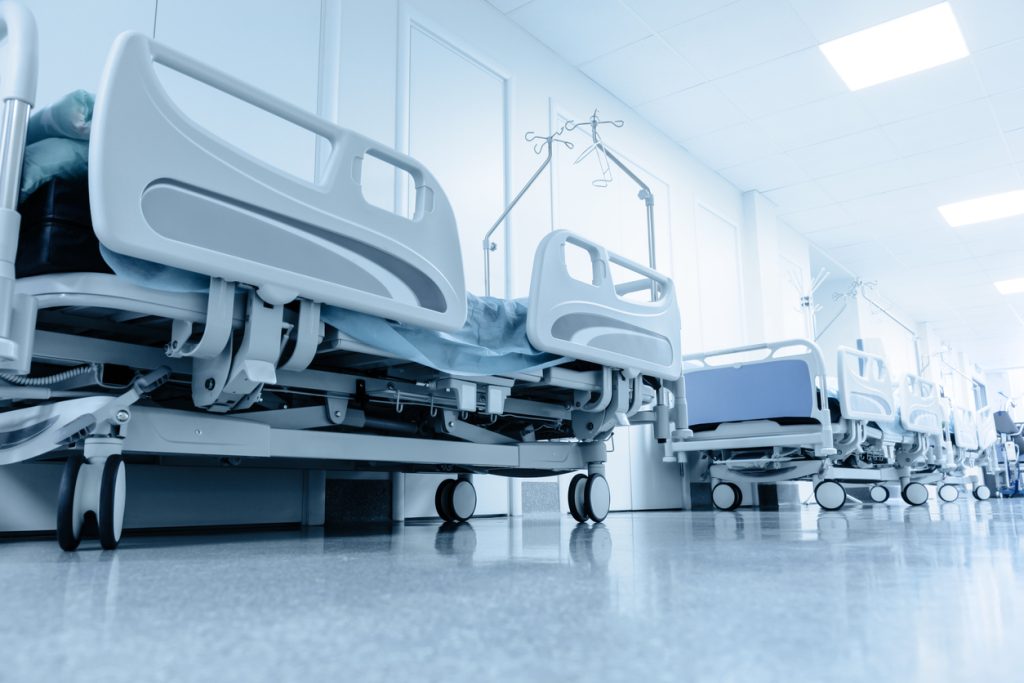
Moving healthcare items in Nigeria is not the same as moving regular parcels. A carton of hospital gloves can tolerate delays better than blood samples, vaccines, insulin, laboratory reagents, or urgent medical equipment. This is why centralized healthcare logistics in Nigeria is becoming more important for hospitals, diagnostic centres, pharmacies, NGOs, HMOs, and health-focused businesses that need better control over medical deliveries.
Instead of every branch, clinic, pharmacy outlet, or department arranging transport separately, centralized logistics brings the movement of medical items under one coordinated system. It helps reduce missed pickups, poor tracking, wrong routing, temperature issues, and emergency confusion.
For organisations that handle sensitive health-related deliveries, Travo.ng provides practical logistics support across courier services, medical deliveries, cargo coordination, vehicle hire, and scheduled transport movement within and between Nigerian cities.
What Centralized Healthcare Logistics Really Means in Daily Operations
Centralized healthcare logistics means one team or platform manages how medical items are picked up, routed, tracked, delivered, and confirmed. This can include supplies going from a warehouse to hospitals, lab samples moving from collection centres to diagnostic labs, or medical equipment being transferred between branches.
In Nigeria, this matters because healthcare movement often crosses difficult traffic zones, long interstate routes, security checkpoints, poor road sections, and areas where timing is critical.
For example, a diagnostic centre with branches in Lekki, Ikeja, Surulere, and Ajah may need daily sample pickups before lab processing starts. If every branch books its own rider or driver separately, delays and poor accountability become common. With a centralized system, pickup windows, dispatch routes, rider instructions, delivery confirmation, and escalation are easier to manage.
Why Hospitals and Pharmacies Struggle Without a Coordinated System
Many healthcare logistics problems in Nigeria do not come from distance alone. They come from poor coordination.
A pharmacy may have stock available in its Yaba outlet but need urgent transfer to a customer in Victoria Island. A hospital may request emergency consumables from a supplier in Oshodi, but the driver may not understand the urgency. A lab may receive samples late because pickup from three locations was not properly planned.
Common issues include:
Missed pickup windows: Medical items often need to move within strict timeframes, especially lab samples and temperature-sensitive products.
Poor delivery visibility: Without tracking or delivery updates, hospital staff may keep calling riders instead of focusing on patients.
Wrong vehicle choice: Some items need bikes for speed, while bulk hospital supplies may require a van or covered vehicle.
Unclear responsibility: When many departments arrange delivery separately, it becomes difficult to know who is accountable when something goes wrong.
Centralized healthcare logistics reduces these gaps by making the process more organised from request to delivery.
How Medical Deliveries Move Across Busy Nigerian Cities
In Lagos, healthcare deliveries are strongly affected by traffic patterns. A same-day movement from Ikeja to Lekki Phase 1 can be simple in the morning but frustrating by late afternoon. Routes around Third Mainland Bridge, Apapa, Oshodi, Ajah, and Victoria Island need proper timing.
In Abuja, movement between Wuse, Garki, Maitama, Gwarinpa, Lugbe, and the airport corridor may look easier, but delays still happen when deliveries are not scheduled properly.
For local medical deliveries, bike dispatch may work for small parcels, documents, prescriptions, and lab samples. Vans are better for cartons of consumables, medical devices, oxygen accessories, mobility aids, or pharmacy restocking.
Travo.ng can help coordinate the right delivery method based on urgency, item size, route, and handling requirement.
Interstate Healthcare Logistics Needs More Planning
Healthcare logistics becomes more sensitive when items move between states. Lagos to Abuja, Lagos to Port Harcourt, Abuja to Kaduna, and Lagos to Ibadan are common corridors for medical suppliers, NGOs, pharmaceutical distributors, and healthcare businesses.
A regular parcel may survive a one-day delay. Medical cargo may not.
Before sending health-related items interstate, businesses should confirm:
The delivery deadline: Is it same-day, next-day, or scheduled for a specific hospital receiving time?
The handling requirement: Does the item need careful packaging, temperature control, or direct handover?
The receiving contact: Is someone available to collect and confirm delivery?
The transport option: Should it move by road cargo, dedicated vehicle, courier, or airport-linked delivery?
Centralized planning helps prevent avoidable mistakes such as sending urgent medical items through slow general cargo channels.
What It Can Cost to Move Healthcare Items in Nigeria
Pricing depends on city, distance, urgency, package size, handling needs, and whether the delivery is local or interstate.
A small same-day medical parcel within Lagos may cost less than a dedicated van movement carrying hospital supplies. A scheduled bulk delivery from Lagos to Abuja will usually cost more than normal courier dispatch because of distance, fuel, vehicle type, and handling responsibility.
For businesses, the smarter approach is not always choosing the cheapest option. The better question is: what delivery method protects the item, meets the deadline, and gives proper proof of delivery?
That is where centralized healthcare logistics in Nigeria becomes useful. It helps organisations compare delivery needs properly instead of making rushed transport decisions each time.
Where Travo.ng Fits Into Healthcare Logistics
Travo.ng supports healthcare-related movement by helping organisations arrange courier services, medical deliveries, cargo logistics, vehicle hire, airport pickups, and transport coordination where needed.
A clinic can use Travo.ng for scheduled delivery of supplies between branches. A pharmacy can arrange customer deliveries or stock transfers. A medical supplier can coordinate vans for hospital equipment. A healthcare team can also arrange transport or hotel bookings for visiting doctors, consultants, or project staff.
The real value is convenience and coordination. Instead of calling different riders, drivers, cargo agents, and transport contacts separately, healthcare teams can work with a service that understands Nigerian logistics realities.
Mistakes to Avoid When Moving Medical Items
Do not treat every medical item like a normal package. Some items need special handling, faster movement, or direct confirmation.
Do not send urgent healthcare items without a receiving contact. A delivery can fail simply because the hospital gate, pharmacy staff, or lab receptionist was not properly informed.
Do not choose transport based only on price. A cheaper option may become expensive if the item arrives late, damaged, or at the wrong location.
Do not wait until there is an emergency before setting up a delivery process. Hospitals, labs, pharmacies, and suppliers should have a reliable logistics plan before pressure starts.
Centralized healthcare logistics in Nigeria helps healthcare businesses move with better structure, speed, and accountability. For organisations that need dependable medical delivery, cargo movement, or transport coordination, Travo.ng offers a practical way to book and manage logistics across Nigeria with less stress.
