


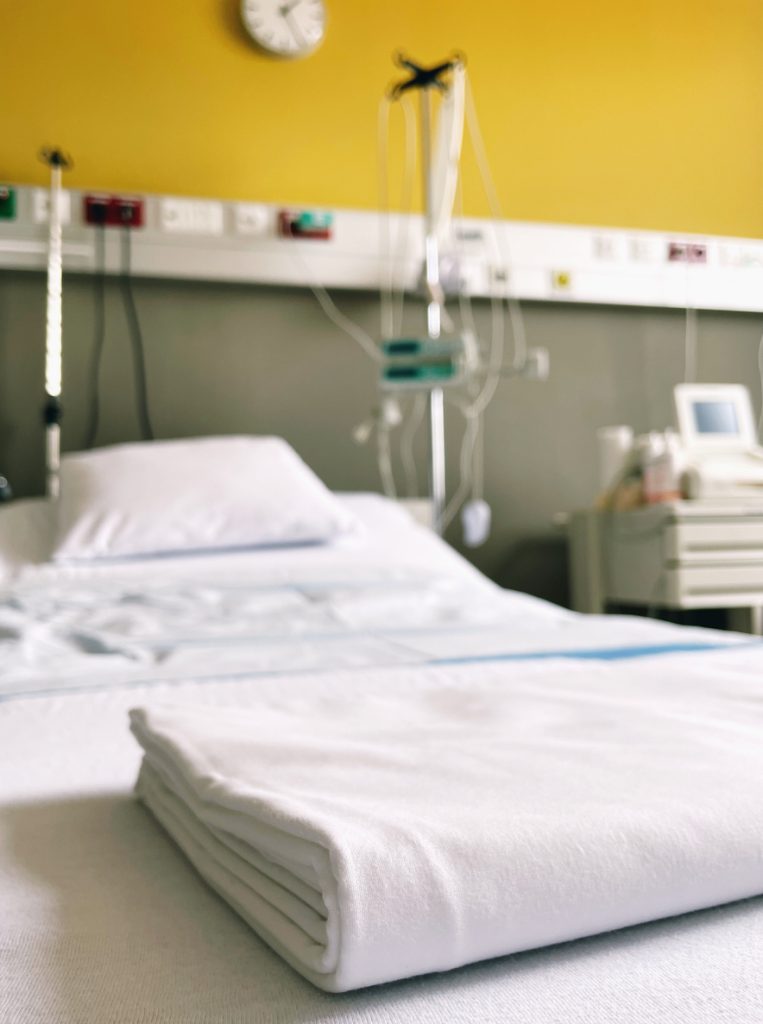
Healthcare automation in Nigeria is becoming more important as hospitals, clinics, laboratories, pharmacies, HMOs, and medical suppliers look for faster ways to coordinate care, deliveries, transport, and patient support. In many Nigerian cities, the problem is not always the lack of medical services. The bigger issue is often poor coordination between people, vehicles, facilities, documents, drugs, test samples, and urgent requests.
A patient may need a wheelchair-accessible vehicle in Ikeja. A diagnostic centre in Lekki may need blood samples moved quickly to a partner lab in Yaba. A pharmacy in Abuja may need same-day delivery for prescription items. A hospital administrator may need to move medical equipment from Lagos Island to Surulere without delays or damage.
This is where practical healthcare automation makes a real difference. It helps medical operations become more organised, trackable, and less dependent on last-minute phone calls.
What healthcare automation looks like in daily Nigerian operations
In real life, healthcare automation is not only about software inside a hospital. It can also mean using digital booking, scheduling, dispatch tracking, automated reminders, and coordinated logistics to reduce confusion.
For healthcare providers in Nigeria, automation may support:
Medical sample pickup and delivery: Labs can schedule sample movement between hospitals, collection centres, and testing facilities without calling multiple drivers manually.
Patient transport coordination: Clinics and families can arrange airport pickups, hospital visits, discharge transport, and non-emergency medical movement more smoothly.
Pharmacy and medical supply delivery: Pharmacies can organise dispatch for prescription items, medical consumables, and wellness products with better delivery visibility.
Hospital document movement: Medical reports, referral letters, insurance documents, and administrative files can be moved securely between facilities.
Equipment and consumables logistics: Hospitals and suppliers can plan movement of cartons, devices, beds, oxygen-related accessories, and medical stock with the right vehicle type.
In cities like Lagos, Abuja, Port Harcourt, Ibadan, and Enugu, this kind of coordination saves time because traffic, distance, fuel cost, and driver availability can affect even simple medical errands.
Why manual coordination causes delays in healthcare delivery
Many healthcare teams still depend on scattered calls, WhatsApp messages, and unverified dispatch riders. This may work for small requests, but it becomes risky when timing matters.
For example, a lab sample collected in Lekki Phase 1 may need to reach a testing facility in Ikeja within a specific time window. If the rider is delayed around Third Mainland Bridge or does not understand the urgency, the sample may become unsuitable for testing.
The same problem can happen with patient transport. A discharged patient at a hospital in Victoria Island may need a comfortable vehicle to return home to Ajah. If the booking is handled casually, the family may struggle with delays, wrong vehicle type, or poor communication.
Healthcare automation helps reduce these gaps by making requests clearer from the start: pickup location, drop-off point, timing, package type, vehicle requirement, contact person, and delivery priority.
Common healthcare logistics needs in Nigeria
Healthcare-related movement is not the same as regular delivery. It often needs care, timing, privacy, and proper coordination.
Common requests include:
Lab sample movement: Blood samples, urine samples, swabs, and other diagnostic items often need fast and careful handling.
Hospital-to-home transport: Patients may need planned transport after discharge, especially elderly patients, post-surgery patients, or people who cannot use regular ride-hailing services.
Medical supply dispatch: Gloves, test kits, drugs, hospital consumables, and small equipment may need reliable delivery between suppliers and healthcare centres.
Airport medical pickup: Some patients arrive in Lagos or Abuja for treatment and need coordinated airport pickup to a hospital, hotel, or home.
Interstate medical logistics: Medical supplies may need movement from Lagos to Abuja, Ibadan, Benin, or Port Harcourt depending on stock availability and urgency.
This is why healthcare automation in Nigeria must connect digital coordination with real transport and delivery capacity on the ground.
What it may cost to coordinate healthcare deliveries and transport
Costs usually depend on the city, urgency, distance, item type, vehicle type, and whether special handling is required. A short medical document delivery within Lagos Mainland may cost far less than moving medical cartons from Lagos to Abuja.
For local deliveries, pricing may be affected by traffic-heavy areas like Lekki, Ajah, Ikeja, Yaba, Surulere, and Victoria Island. For interstate movement, costs may include vehicle hire, fuel, driver time, security considerations, and delivery urgency.
Healthcare providers should always confirm:
The exact pickup and drop-off address
The type of item or patient movement required
The delivery or arrival deadline
Whether tracking or proof of delivery is needed
Whether the package needs careful temperature or handling instructions
This helps avoid underpricing, delays, and wrong dispatch arrangements.
How Travo.ng supports healthcare automation in Nigeria
Travo.ng helps healthcare providers, families, laboratories, pharmacies, and medical suppliers coordinate transport and logistics without unnecessary stress. Instead of managing every movement manually, users can request support for delivery services, courier coordination, patient transport, airport pickups, vehicle hire, relocation support, and business logistics.
For healthcare-related requests, Travo.ng can support practical needs such as sample pickup planning, medical item delivery, hospital coordination errands, patient movement, and scheduled transport for healthcare staff or visitors.
The value is simple: one organised service point for movement, delivery, and travel coordination across Nigeria.
Mistakes to avoid when booking healthcare logistics
Many delays happen because the request is not explained properly at the beginning. When booking healthcare transport or delivery, avoid these common mistakes:
Using vague pickup details: “Come to the hospital” is not enough. Include building name, department, gate, and contact person.
Not stating urgency clearly: A same-day medical sample is different from a regular parcel.
Choosing the wrong vehicle: A patient transport request may need more comfort and space than a standard car.
Ignoring Lagos traffic timing: A delivery from Island to Mainland during peak hours should be planned early.
Not requesting proof of delivery: Medical documents and supplies should be confirmed when received.
Better planning reduces confusion and helps Travo.ng match the request with the right transport or delivery option.
A more organised way to move healthcare forward
Healthcare automation in Nigeria is not just about making hospitals look modern. It is about reducing delays, improving coordination, and making sure patients, samples, drugs, documents, and medical supplies move when they should.
For hospitals, clinics, laboratories, pharmacies, HMOs, and families, Travo.ng provides a practical way to book and coordinate healthcare-related logistics, delivery, transport, and travel support across Nigeria.
When every movement is properly planned, healthcare becomes faster, safer, and easier to manage.
