


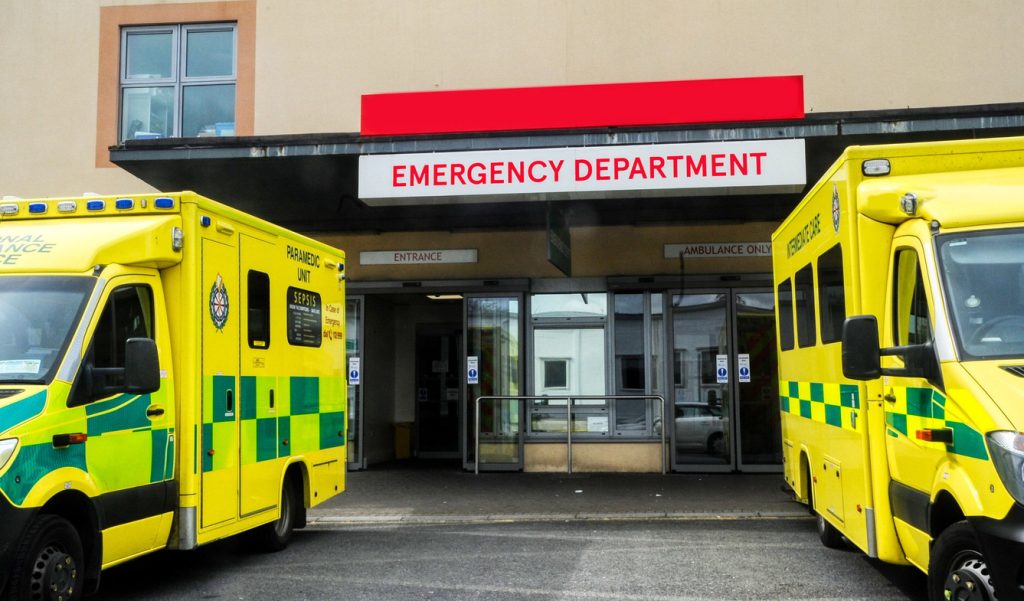
Managing a medical vehicle fleet in Nigeria is not the same as running ordinary transport. A hospital vehicle, ambulance support van, clinic shuttle, or medical delivery vehicle must be dependable, clean, properly coordinated, and available when patients, staff, samples, drugs, or equipment need to move.
In many Nigerian cities, healthcare transport can quickly become stressful. Lagos traffic can delay urgent movement between Ikeja, Surulere, Lekki, Yaba, and Victoria Island. In Abuja, clinics may need reliable vehicles for patient pickups from Gwarinpa, Wuse, Maitama, Lugbe, or the airport. Outside major cities, road conditions and long distances can affect hospital logistics even more.
That is why healthcare providers, NGOs, pharmacies, diagnostic centres, and private families often need planned medical transport support instead of last-minute vehicle arrangements.
What a Medical Vehicle Fleet Usually Handles in Nigeria
A medical vehicle fleet in Nigeria can support different healthcare transport needs depending on the organisation. It may include cars, vans, buses, ambulances, pickup vehicles, or dedicated delivery vehicles.
Common uses include:
Patient transfers: Non-emergency movement from homes to hospitals, clinics to diagnostic centres, or one facility to another.
Medical staff movement: Transport for doctors, nurses, lab teams, homecare workers, and outreach staff.
Drug and equipment delivery: Movement of medicines, consumables, oxygen accessories, hospital supplies, and medical devices.
Sample pickup and delivery: Coordinated movement of lab samples between collection points, hospitals, and diagnostic centres.
Hospital shuttle services: Scheduled transport for staff, patients, visitors, or healthcare teams.
Health project logistics: Vehicle support for immunisation drives, medical outreaches, NGO fieldwork, and community health programmes.
The right fleet setup depends on the purpose. A vehicle used for sample collection will not need the same setup as a vehicle used for patient transfer or rural outreach work.
Why Healthcare Transport Needs Better Planning Than Normal Vehicle Hire
In regular transport, a late pickup may only inconvenience the passenger. In healthcare logistics, delays can affect treatment schedules, lab processing times, discharge plans, or field operations.
For example, a diagnostic centre in Lagos may need riders or vehicles to collect samples from Lekki, Ajah, Ikeja, and Surulere before a specific lab processing window. If the movement is not properly routed, samples may arrive late or require repeat collection.
A hospital may also need to move discharged patients safely, especially elderly patients or people who should not wait long in public transport. In this case, the vehicle must arrive on time, the driver must understand the pickup instructions, and the trip should be handled calmly.
Good medical fleet coordination considers:
Pickup and drop-off timing
Driver reliability and route knowledge
Vehicle cleanliness and condition
Communication with hospital staff or families
Traffic patterns and alternative routes
Documentation where required
This is where organised transport support becomes more useful than simply calling any available driver.
Common Challenges With Medical Vehicle Fleet Operations in Nigeria
Many healthcare organisations struggle with fleet operations because they treat it as a side activity instead of a core support function.
One common issue is poor vehicle availability. A clinic may have one or two vehicles, but once one is under repair or already assigned, urgent trips become difficult.
Another problem is driver inconsistency. Healthcare transport requires drivers who can follow instructions, communicate clearly, and understand that hospital movement is sensitive. A driver who is careless with time or unfamiliar with hospital procedures can create unnecessary stress.
Fuel cost is also a major concern. For organisations running daily medical trips, poor route planning can increase operating expenses quickly. Lagos mainland-to-island movement, Abuja airport pickups, interstate patient support, or repeated pharmacy deliveries can become expensive without proper scheduling.
Vehicle maintenance is another serious issue. Medical vehicles should not break down frequently, especially when assigned to patient movement, staff transport, or health project logistics.
What to Consider Before Booking a Medical Vehicle Fleet
Before arranging a medical vehicle fleet in Nigeria, it helps to define the exact transport need. This prevents paying for the wrong vehicle type or underestimating the level of coordination required.
Ask these practical questions:
What will the vehicle carry: patients, staff, drugs, samples, equipment, or supplies?
How often is movement needed: daily, weekly, monthly, or on request?
Which locations are involved: within one city, across states, or between hospitals?
Is the service urgent, scheduled, or recurring?
Does the vehicle need extra space for medical items, luggage, or mobility support?
Who will coordinate pickups and communicate with drivers?
For example, a homecare company in Lagos may need smaller cars for nurse visits, while a hospital outreach team travelling from Abuja to Kaduna may require a bus or van with proper trip planning. A pharmacy chain may need delivery vehicles that can handle multiple drops in one day.
Realistic Cost Factors for Medical Fleet Services
The cost of booking a medical vehicle fleet in Nigeria depends on the type of vehicle, distance, duration, driver requirements, and whether the arrangement is one-off or recurring.
A short city movement within Lagos or Abuja will usually cost less than a full-day vehicle hire or interstate medical logistics trip. A hospital shuttle operating daily will also be priced differently from an occasional patient transfer.
Main cost factors include:
Vehicle type and size
Number of vehicles required
Distance and route difficulty
Waiting time at hospitals or pickup points
Fuel and toll costs
Driver hours
Frequency of use
Special coordination needs
For healthcare organisations, it is often better to request a planned quote instead of relying on random daily transport pricing. This makes budgeting easier and reduces last-minute disruptions.
How Travo.ng Supports Medical Vehicle Fleet Needs
Travo.ng helps individuals, hospitals, clinics, pharmacies, NGOs, and businesses arrange practical transport and logistics support across Nigeria. For medical vehicle fleet needs, the focus is on matching the right vehicle and coordination style to the actual healthcare movement required.
This can include scheduled vehicle hire, patient movement support, staff transport, medical delivery coordination, airport pickups for medical visitors, and logistics support for healthcare projects.
For example, a clinic can use Travo.ng to arrange recurring vehicle support for patient appointments. A diagnostic company can coordinate sample pickups. A healthcare NGO can schedule transport for field teams. A family can also arrange a suitable vehicle for hospital visits or discharge movement instead of struggling with public transport.
The service is most useful when the movement must be reliable, planned, and properly communicated.
Mistakes to Avoid When Arranging Healthcare Transport
Many people wait until the last moment before arranging medical transport. This can lead to higher costs, poor vehicle options, and unnecessary delays.
Another mistake is booking a vehicle without explaining the real purpose of the trip. A driver handling a medical pickup should know if there is waiting time, special pickup instructions, hospital access rules, or extra items to carry.
It is also risky to depend on unverified vehicles for sensitive medical deliveries. If drugs, equipment, or samples are involved, timing and accountability matter.
To avoid problems, always confirm:
The pickup address and contact person
The exact destination
Expected waiting time
Vehicle size needed
Trip urgency
Any special handling requirement
Clear instructions help the transport provider plan better and reduce confusion on the day of movement.
Book a Medical Vehicle Fleet in Nigeria With Better Coordination
A reliable medical vehicle fleet in Nigeria helps healthcare providers, families, and organisations move people and medical items with less stress. Whether the need is patient transfer, hospital staff movement, pharmacy delivery, diagnostic sample pickup, or healthcare project logistics, proper planning makes the difference.
Travo.ng provides transport coordination, vehicle hire, delivery support, airport pickup, and logistics services for customers who need dependable movement across Nigeria. For medical transport needs, the goal is simple: arrange the right vehicle, plan the route properly, and make the process easier for everyone involved.
