


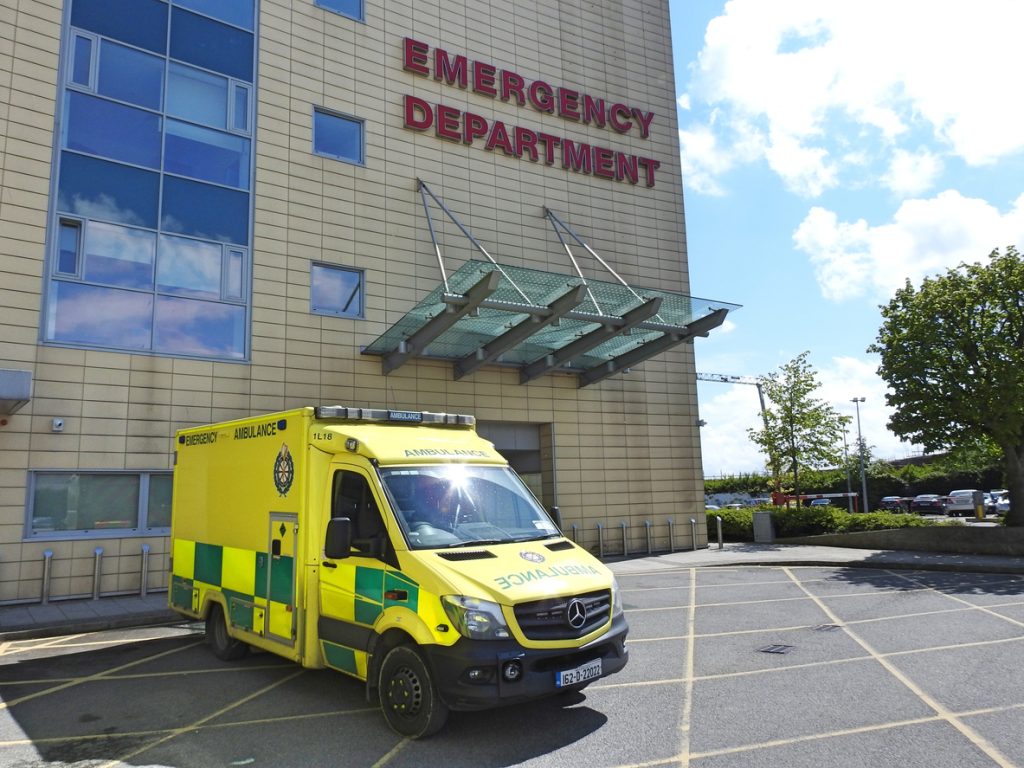
Managing an ambulance fleet in Nigeria is not just about having vehicles with sirens. It is about response time, route planning, trained drivers, medical readiness, fuel availability, communication, and knowing how Nigerian roads behave at different times of the day.
For hospitals, private clinics, event organisers, estates, schools, construction companies, and corporate organisations, ambulance access can make a serious difference during emergencies. The challenge is that many people only start looking for an ambulance when there is already panic. By then, traffic, distance, poor directions, and vehicle availability can cause delays.
Travo.ng helps individuals and organisations coordinate practical ambulance transport support in Nigeria, especially where planned medical movement, event coverage, corporate standby support, and emergency response coordination are needed.
What an Ambulance Fleet in Nigeria Should Actually Cover
A proper ambulance fleet in Nigeria should be able to serve different situations, not only accident scenes. In real operations, ambulance needs often come from hospitals transferring patients, event organisers needing medical backup, estates requesting emergency standby, or families moving a patient from home to a medical facility.
Common ambulance fleet needs include:
Patient transfer: Moving patients from home to hospital, clinic to specialist centre, or one hospital to another.
Event standby: Providing ambulance support for concerts, religious gatherings, school events, sports activities, and corporate functions.
Corporate emergency support: Helping companies prepare for staff medical emergencies, especially in factories, construction sites, oil and gas locations, and large offices.
Interstate medical movement: Coordinating ambulance travel from cities like Lagos to Ibadan, Abuja to Kaduna, or Port Harcourt to Aba when a patient needs care in another location.
Emergency response: Dispatching an ambulance quickly when someone needs urgent medical attention.
The best arrangement depends on the location, patient condition, urgency, distance, and whether medical personnel are required during the trip.
Why Ambulance Movement Can Be Difficult in Nigerian Cities
In Lagos, an ambulance moving from Lekki Phase 1 to Ikeja can face different realities depending on the time of day. Morning traffic around Ajah, Third Mainland Bridge, Ikorodu Road, or Oshodi can change a 40-minute trip into a much longer journey. In Abuja, routes around Wuse, Garki, Maitama, Lugbe, and the airport road may be smoother, but event traffic and security checks can still affect timing.
This is why ambulance fleet coordination must consider more than distance. A good dispatcher should ask:
Where exactly is the patient or event venue?
What hospital or destination is involved?
Is the case urgent or planned?
Is oxygen, stretcher support, or medical staff required?
What time is the movement expected?
Are there estate gates, hospital protocols, or security access issues?
These small details help avoid delays when every minute matters.
When Businesses and Organisations Need Ambulance Standby
Many Nigerian organisations now request ambulance standby before major activities. This is common for large church programmes, concerts, school sports days, political gatherings, private estate events, construction projects, roadshows, and company retreats.
For example, an event at Tafawa Balewa Square, Eko Atlantic, Landmark Centre, Abuja International Conference Centre, or a large church campground may need ambulance coverage because of crowd size, heat, stress, and possible medical emergencies. In these situations, the ambulance is not only for show. It must be positioned where it can move quickly if needed.
Travo.ng can support this type of arrangement by helping clients coordinate ambulance availability, transport planning, and related logistics for events or business operations.
What to Confirm Before Booking an Ambulance
Before booking an ambulance fleet in Nigeria, do not only ask for the price. Ask practical questions that affect safety and reliability.
Vehicle condition: The ambulance should be roadworthy, clean, and suitable for medical transport.
Location of dispatch: A nearby ambulance will usually respond faster than one coming from the other side of town.
Medical support: Some cases need only transport, while others require trained medical personnel.
Equipment needs: Confirm if stretcher, oxygen, first-aid support, or monitoring equipment is needed.
Route planning: For planned movement, agree on the best route and backup route.
Cost structure: Pricing may depend on distance, waiting time, urgency, location, medical staff, and whether the service is within city limits or interstate.
For local city movement, cost may vary based on pickup area and urgency. For standby coverage at events, pricing is often based on the number of hours required. Interstate ambulance movement usually costs more because of fuel, driver time, medical team involvement, and return logistics.
Ambulance Fleet Support for Hospitals and Clinics
Hospitals and clinics often need reliable ambulance partners for referrals, diagnostic appointments, specialist transfers, and emergency movement. A clinic in Yaba may need to move a patient to a specialist hospital in Ikeja. A hospital in Ajah may need transfer support to Lagos Island. A family in Ibadan may need a patient moved safely to Lagos for further treatment.
In these cases, coordination matters. The pickup team, receiving hospital, patient relatives, and transport provider must all understand the plan. Poor communication can lead to waiting at the wrong gate, unclear payment arrangements, or delays at admission.
Travo.ng helps simplify this process by supporting transport coordination and helping clients plan medical movement more clearly.
Booking Ambulance Fleet in Nigeria Through Travo.ng
If you need an ambulance fleet in Nigeria for patient transfer, event standby, corporate emergency support, or planned medical movement, Travo.ng provides a practical way to arrange the right support without unnecessary stress.
You can also coordinate related services where needed, such as airport pickup for medical visitors, vehicle hire for family members, hotel reservations near hospitals, courier delivery for medical documents, or transport support for staff and caregivers.
The best time to arrange ambulance support is before the emergency becomes chaotic. With proper planning, clear pickup details, and reliable coordination, ambulance transport in Nigeria becomes safer, faster, and easier to manage.
For hospitals, companies, event planners, families, and organisations, Travo.ng offers locally informed ambulance fleet coordination that understands Nigerian roads, traffic pressure, and real emergency movement needs.
