


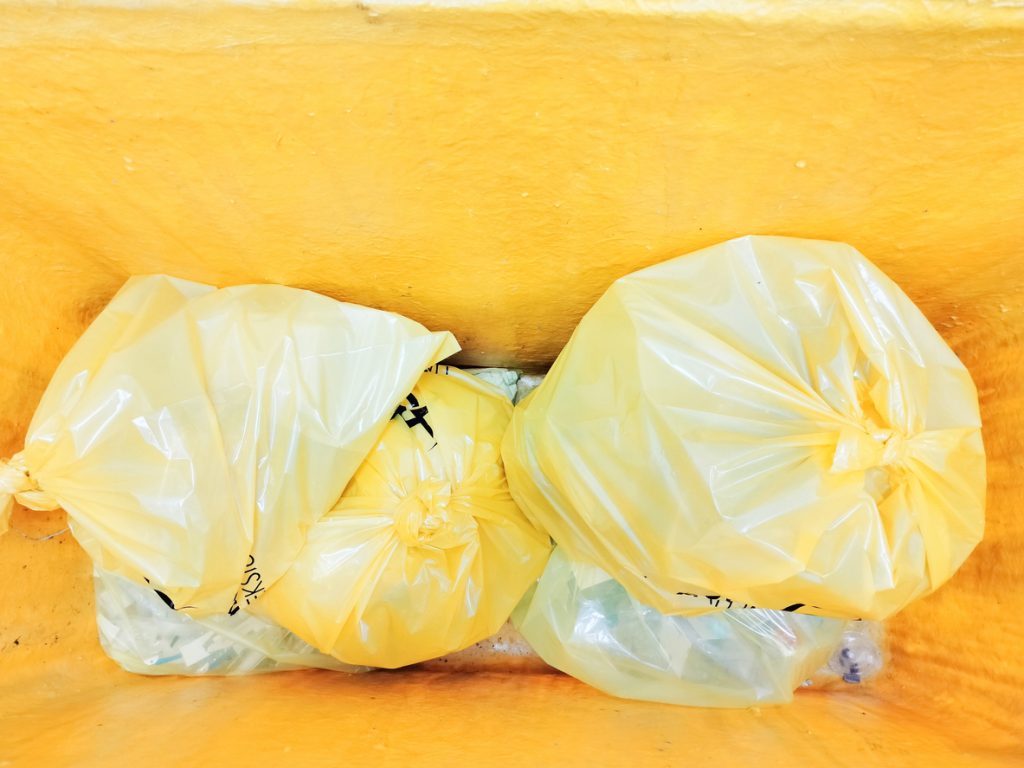
Pharmaceutical waste disposal in Nigeria is not something a pharmacy, clinic, laboratory, distributor or hospital should handle casually. Expired drugs, damaged cartons of medicine, used syringes, contaminated packaging, rejected stock and returned medical supplies can cause serious health, environmental and legal problems when they are mixed with regular waste.
In many Nigerian cities, the problem is not just waste generation. The bigger issue is how to move, separate, document and dispose of pharmaceutical waste safely without exposing staff, waste handlers, patients or the public to risk.
For healthcare businesses in Lagos, Abuja, Port Harcourt, Ibadan, Kano and other major cities, proper disposal starts with having a clear process and a reliable logistics partner that understands sensitive waste movement.
What Counts as Pharmaceutical Waste in Nigeria
Pharmaceutical waste includes more than expired tablets sitting on a pharmacy shelf. It can come from hospitals, community pharmacies, medical stores, laboratories, NGOs, wholesalers, importers and health outreach programmes.
Common examples include:
Expired medicines: Tablets, capsules, syrups, injections, creams and vaccines that can no longer be sold or used.
Damaged medical stock: Drugs affected by heat, poor storage, leakage, broken seals or water damage.
Returned medicines: Products sent back by customers, hospitals, agents or distributors because they are expired, recalled or unsafe.
Contaminated packaging: Drug cartons, bottles, sachets, ampoules or blister packs that have come in contact with hazardous substances.
Sharps and clinical items: Used needles, syringes, lancets and other items that can injure handlers or transmit infection.
Some of these items require special handling before they are transported. This is why pharmaceutical waste disposal in Nigeria should be planned carefully, not left to ordinary refuse collectors.
Why Pharmacies and Clinics Should Not Mix Drug Waste With General Waste
One common mistake is throwing expired medicine into normal dustbins or handing it over to informal waste collectors. This may look convenient, but it creates serious risks.
Expired or damaged drugs can be picked from dumpsites and resold illegally. Liquid medicines can spill into drainage channels. Used syringes can injure cleaners, drivers or landfill workers. Some chemicals can contaminate soil and water when they are not properly contained.
For a pharmacy in Ikeja, a clinic in Lekki, a diagnostic centre in Abuja or a medical distributor in Oshodi, the issue is also reputational. If discarded branded medicine is found in the wrong place, customers may assume the business is careless or involved in unsafe disposal.
Proper pharmaceutical waste handling protects the business as much as it protects the public.
How Safe Collection Usually Works
A practical disposal process starts before the vehicle arrives. The waste should be sorted, labelled and kept away from normal stock. Expired medicines should not be left where staff can accidentally restock or resell them.
A typical collection process may involve:
Waste sorting: Separating expired drugs, sharps, liquid waste, contaminated packaging and general medical waste.
Secure packaging: Using sealed containers, safety boxes, bags or cartons depending on the type of waste.
Documentation: Recording what is being moved, where it is coming from and where it is going.
Controlled transport: Moving the waste with a suitable vehicle and trained handlers.
Handover for treatment or disposal: Delivering the waste to the right licensed facility or disposal channel.
The exact process depends on the type and volume of waste. A small pharmacy may only need scheduled pickup for expired stock, while a hospital or medical warehouse may require more structured collection and movement support.
Practical Challenges Businesses Face in Nigeria
Pharmaceutical waste disposal in Nigeria can be difficult because the system is not always straightforward. Many businesses know they should dispose of medical waste properly, but they struggle with execution.
Common challenges include irregular pickup schedules, lack of proper packaging, poor documentation, distance to approved disposal facilities and confusion over who should handle the movement. Traffic also affects collection, especially in Lagos areas like Apapa, Ikeja, Surulere, Lekki, Victoria Island and Yaba.
For businesses with branches in multiple locations, coordination becomes even harder. A pharmacy chain may need to collect expired drugs from stores in Lagos, Abuja and Port Harcourt, then move them safely for final disposal. Without proper planning, waste can sit too long in storage.
When Businesses Should Schedule Pharmaceutical Waste Pickup
Pharmaceutical waste should not be allowed to pile up for months. Businesses should plan disposal around stock audits, expiry checks, product recalls, warehouse cleanouts and regulatory inspections.
Good times to schedule pickup include:
After monthly or quarterly stock review: This helps remove expired products before they mix with active inventory.
After supplier returns are confirmed: Returned medicines should be separated and moved quickly.
After a product recall: Recalled medicines need careful tracking and secure removal.
Before relocation or warehouse clearance: Moving old medical stock without sorting can create bigger problems.
For larger facilities, regular pickup is usually safer than emergency disposal. It also makes documentation easier.
How Travo.ng Supports Safer Waste Movement
Travo.ng helps businesses coordinate practical logistics for pharmaceutical waste disposal in Nigeria, especially where safe collection, careful handling and reliable movement are needed. The support can be useful for pharmacies, clinics, laboratories, health distributors, NGOs, medical suppliers and businesses clearing expired or damaged health products.
Depending on the situation, Travo.ng can help arrange scheduled pickup, vehicle coordination, item movement, documentation support and delivery to the appropriate disposal or handling channel. This is especially useful for businesses that need a more organised process than calling a random truck or dispatch rider.
Travo.ng also supports related logistics services such as courier services, cargo movement, business delivery support, relocation logistics and transport coordination. For healthcare businesses, the main value is having one practical point of contact for sensitive movement instead of managing multiple unreliable vendors.
What to Prepare Before Booking Disposal Support
Before arranging pharmaceutical waste collection, prepare a simple inventory of what needs to be moved. You do not need a complicated report, but you should know the basic categories, approximate quantity and pickup location.
Helpful details include:
Type of waste: Expired medicine, damaged stock, sharps, liquid items or packaging.
Quantity: Number of cartons, bags, boxes or containers.
Pickup address: Include floor level, access road details and parking restrictions.
Urgency: Same-day, next-day or scheduled collection.
Handling notes: Fragile items, leakage risk, controlled access or special packaging needs.
This helps the logistics team recommend the right vehicle, timing and handling approach.
A Safer Way to Handle Medical Waste Logistics
Pharmaceutical waste disposal in Nigeria requires more care than ordinary delivery or waste removal. The safest approach is to separate the waste early, package it properly, document the movement and use a reliable logistics process from pickup to handover.
For pharmacies, clinics, hospitals, medical suppliers and health organisations, Travo.ng provides a practical way to coordinate pharmaceutical waste movement without unnecessary confusion. Whether you are clearing expired drugs from one pharmacy or managing waste pickup across multiple branches, you can book reliable support and handle the process with more confidence.
