


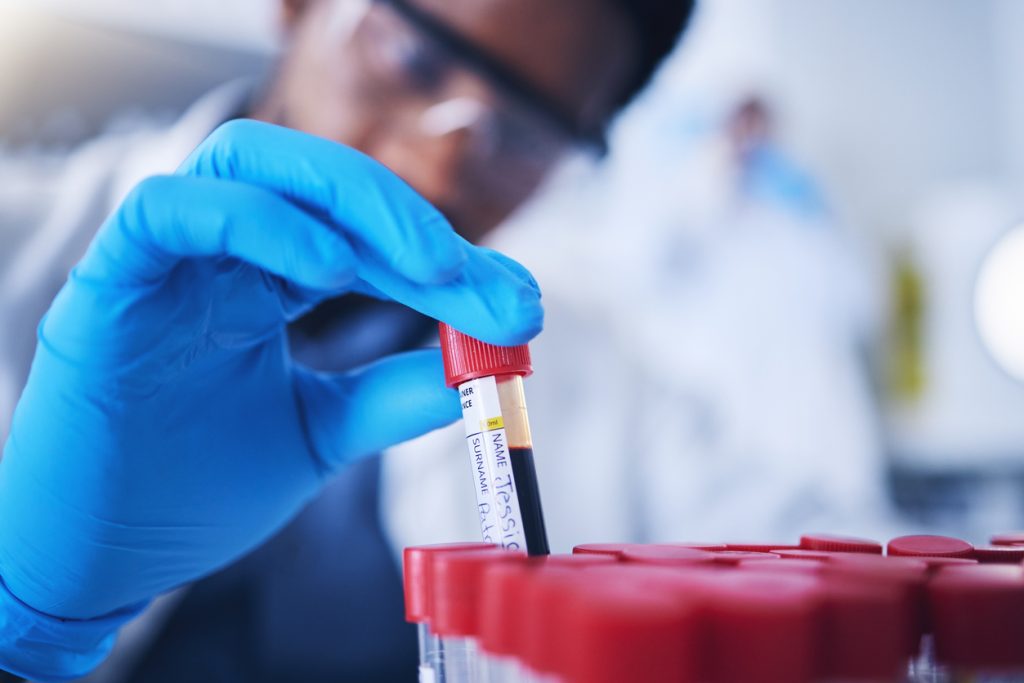
Blood transport in Nigeria is not the kind of delivery you handle casually. It is time-sensitive, temperature-sensitive, and often connected to an emergency. Whether a hospital needs blood units moved from a blood bank to a theatre, a laboratory needs samples delivered for testing, or a family is trying to support a patient in urgent need, the movement has to be planned properly.
In cities like Lagos, Abuja, Port Harcourt, Ibadan, and Kano, the challenge is not just distance. Traffic, poor coordination, wrong packaging, late rider arrival, and unclear pickup instructions can all delay delivery. For medical logistics, even a small delay can create serious problems.
What Makes Blood Transport Different From Normal Delivery
Blood cannot be treated like regular parcels, documents, or food items. It must be handled with care from pickup to handover.
The key concerns are:
Temperature control: Blood and blood-related samples often need to remain within a controlled temperature range during movement.
Speed: Many requests are urgent, especially when linked to surgery, childbirth complications, accident cases, or emergency transfusion.
Proper packaging: Blood units, samples, and medical items must be sealed, labelled, and protected from leakage or contamination.
Clear handover: The rider or driver must know exactly who is receiving the item and where to deliver it inside the hospital or facility.
This is why hospitals, labs, clinics, NGOs, and families need a delivery partner that understands the sensitivity of medical movement, not just a regular dispatch service.
Common Situations Where Blood Transport Is Needed
Blood transport in Nigeria is needed in many real-life medical situations. Some requests come from health facilities, while others come from families trying to support a patient.
Common examples include:
Hospital-to-hospital movement: A blood unit may need to be moved from one facility to another when the receiving hospital does not have enough supply.
Blood bank pickup: Families may be asked to collect screened blood from a blood bank and deliver it to a hospital.
Laboratory sample delivery: Blood samples may need to be moved from a clinic to a diagnostic centre for testing.
Emergency maternity cases: In cases of childbirth complications, hospitals may need quick access to blood products.
Corporate and NGO health projects: Health outreach programmes may require planned medical logistics support across multiple locations.
In Lagos, for example, a request from Ikeja to Lagos Island can look simple on a map, but traffic around Maryland, Third Mainland Bridge, or CMS can affect timing badly if the trip is not planned well.
What to Confirm Before Booking Blood Transport
Before arranging blood transport, the sender should confirm a few important details. This prevents confusion and reduces delay.
Confirm the pickup point: Is the item being collected from a hospital, blood bank, laboratory, or private facility?
Confirm the receiver: The name, department, phone number, and exact hospital unit should be clear before dispatch.
Confirm packaging requirements: The item should be sealed, labelled, and placed in an appropriate medical transport container where required.
Confirm urgency level: A delivery needed within one hour should be treated differently from a scheduled sample pickup.
Confirm access instructions: Some hospitals have different entry points for emergency units, labs, wards, and admin offices.
These details help the logistics provider choose the right rider, driver, route, and timing.
How Long Blood Transport Can Take in Nigerian Cities
Delivery time depends on the city, traffic, distance, and urgency. In Lagos, short-distance medical deliveries may take 45 minutes to 2 hours depending on the route and time of day. Lekki to Ikeja, Ajah to Surulere, or Yaba to Lagos Island can change quickly because of traffic.
In Abuja, routes are usually more predictable, but areas like Wuse, Garki, Gwarinpa, Kubwa, and Airport Road still require proper timing. Interstate movement, such as Lagos to Ibadan or Abuja to Kaduna, must be planned more carefully because of road conditions, security checks, and travel time.
For urgent requests, the best approach is to book early, provide full details, and keep both sender and receiver reachable by phone.
Mistakes That Can Delay Medical Deliveries
Many delays happen because the logistics process is not properly coordinated.
Common mistakes include:
Sending incomplete hospital details: “Deliver to LUTH” is not enough. The exact department, contact person, and phone number are needed.
Using a regular rider without medical awareness: Not every rider understands how sensitive blood transport is.
Poor packaging: If the item is not sealed or placed correctly, it may be rejected at the receiving point.
Booking too late: Waiting until the last minute can be risky, especially during rush hour.
No receiver confirmation: If the receiver is unavailable, the delivery can be delayed even after arrival.
For medical-related movement, coordination is just as important as speed.
How Travo.ng Supports Blood Transport in Nigeria
Travo.ng helps individuals, hospitals, clinics, laboratories, and health-related businesses arrange reliable blood transport in Nigeria with practical local coordination. The service is useful for urgent medical pickups, blood bank collections, sample delivery, and planned healthcare logistics.
Depending on the request, Travo.ng can support:
Urgent pickup and delivery within Nigerian cities
Hospital-to-hospital medical item movement
Blood bank collection coordination
Laboratory and diagnostic sample transport
Scheduled medical logistics for clinics and organisations
Dedicated vehicle or rider arrangement where needed
Travo.ng also supports related services such as courier delivery, cargo logistics, transport coordination, airport pickups, hotel reservations, and business logistics support when medical teams, relatives, or health workers need broader movement assistance.
When You Should Book Ahead
Not every blood transport request is an emergency. Some can be planned ahead, especially for medical outreach, hospital supply movement, scheduled tests, or recurring sample delivery.
Booking ahead is better when:
The delivery involves multiple pickup points
The route crosses city boundaries
A vehicle is required instead of a bike
The item must arrive before a specific hospital procedure
The receiving department has strict timing
For urgent medical situations, same-day support may still be possible, but early communication always improves the outcome.
Safe Medical Delivery Starts With Proper Coordination
Blood transport in Nigeria requires more than fast movement. It needs careful handling, correct pickup details, reliable routing, and proper handover. In a country where traffic, distance, and last-minute emergencies are common, choosing a logistics provider with local experience can make the process smoother.
For hospitals, labs, families, and health organisations that need dependable blood transport in Nigeria, Travo.ng provides practical support for urgent and scheduled medical deliveries across key Nigerian locations.
