


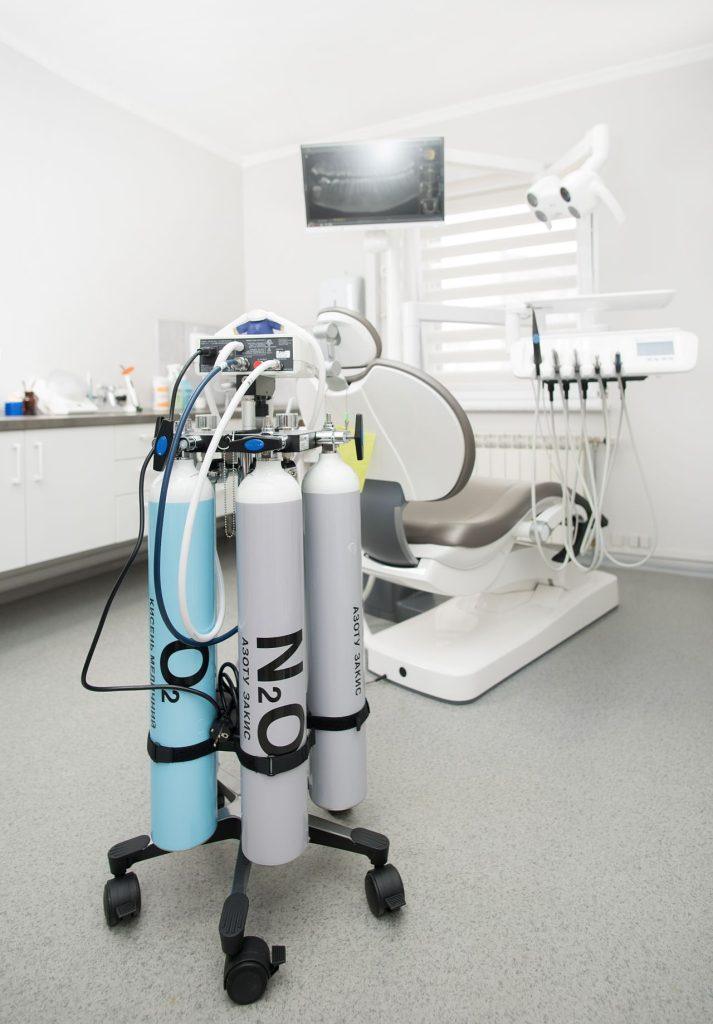
Medical device import in Nigeria is not the kind of shipment you treat like ordinary cargo. A carton of hospital monitors, dialysis accessories, diagnostic kits, theatre equipment, mobility aids, or laboratory machines may look like regular freight on paper, but the handling, documentation, clearance, and delivery process is much more sensitive.
For hospitals, clinics, diagnostic centres, NGOs, and medical suppliers, delays can affect patient care, project deadlines, installation schedules, and cash flow. That is why importing medical devices into Nigeria needs proper planning from the supplier’s warehouse abroad to the final delivery point in Lagos, Abuja, Port Harcourt, Kano, Enugu, or any other city.
NAFDAC provides regulatory guidance for the manufacture, importation, distribution, sale, and use of medical devices in Nigeria, including registration and import-related requirements. Travo.ng supports businesses and healthcare organisations with the logistics side of the process, including cargo coordination, airport pickup, customs support, delivery planning, and safe movement to the final destination.
What to Prepare Before Shipping Medical Devices to Nigeria
The biggest mistake many importers make is arranging shipment before confirming the required paperwork. Once the cargo lands at Murtala Muhammed International Airport, Apapa Port, Tin Can Island Port, or Abuja airport cargo terminal, missing documents can cause storage charges, inspection delays, and unnecessary stress.
Before shipping, confirm the following:
Product documents: These may include invoice, packing list, certificate of analysis where applicable, certificate of manufacture/free sale, technical documents, user manuals, and product specifications.
Regulatory documents: Imported medical devices may require NAFDAC registration, import permit, or relevant approval depending on the product type and purpose of importation. Some processes may also involve sample importation for review or testing.
Shipping documents: Airway bill or bill of lading, supplier details, consignee details, HS code, cargo description, weight, dimensions, and number of packages must be accurate.
Delivery plan: Know where the item is going after clearance. A dialysis machine going to a hospital in Lekki is not handled the same way as diagnostic equipment going from Lagos airport to a laboratory in Ibadan.
Choosing Air Cargo or Sea Freight for Medical Equipment
For urgent hospital equipment, air freight is usually the fastest option. Small diagnostic devices, monitors, medical consumables, surgical instruments, and replacement parts can often move by air when time matters. Delivery from international supplier to Nigeria may take a few days, but clearance timing depends heavily on documentation and inspection requirements.
Sea freight is more practical for bulky equipment, multiple cartons, hospital furniture, imaging machines, or large procurement orders. It is usually cheaper per unit, but it requires more planning because port handling, container movement, and inland delivery can take longer.
If a hospital has an installation date already fixed, it is better to work backwards from that date. Allow time for supplier dispatch, international freight, Nigerian clearance, local trucking, unloading, and possible technical inspection before use.
Common Delays Importers Face at Nigerian Entry Points
Medical device import in Nigeria can become expensive when small details are ignored. Common issues include vague cargo descriptions, wrong consignee information, incomplete regulatory documents, poor packaging, missing serial numbers, and delays in assigning a clearing agent.
Another problem is poor coordination after arrival. Some importers focus only on clearing but forget that the equipment still needs to be moved safely from the port or airport to the hospital. If the device is fragile, high-value, temperature-sensitive, or heavy, the delivery vehicle must be arranged before the cargo is released.
For example, moving medical equipment from Lagos airport cargo terminal to Victoria Island during peak traffic is different from moving it to Abuja by road. Timing, loading support, route planning, and security all matter.
How Travo.ng Supports Medical Device Import Logistics
Travo.ng helps importers handle the practical movement of medical devices after purchase and shipment planning. The service is useful for hospitals, health-tech companies, diagnostic centres, procurement firms, NGOs, and suppliers bringing equipment into Nigeria.
Depending on the shipment, Travo.ng can support with:
Airport cargo pickup coordination: Useful for urgent medical devices arriving through Lagos or Abuja.
Courier and delivery services: Suitable for smaller medical accessories, parts, documents, and regulated support items.
Cargo logistics: For larger equipment requiring vans, trucks, careful loading, and planned delivery.
Interstate transport: For devices cleared in Lagos but needed in Abuja, Port Harcourt, Benin, Ibadan, Kano, or other locations.
Business logistics support: For suppliers delivering to multiple hospitals, pharmacies, clinics, or diagnostic centres.
The goal is to reduce confusion between supplier dispatch, Nigerian arrival, clearance, local transport, and final handover.
Practical Tips Before You Import Medical Devices
Confirm the device category before payment. Not every medical product follows the same process.
Ask the supplier for complete documents early. Do not wait until the cargo has shipped.
Use clear product descriptions on invoices and packing lists. Avoid vague labels like “machine parts” when the item is a medical device.
Plan delivery before clearance is completed. This helps avoid rushed transport arrangements.
Use proper packaging. Fragile medical devices should be protected against vibration, heat, moisture, and rough handling.
Work with logistics partners who understand Nigerian movement realities. Port congestion, airport cargo procedures, Lagos traffic, and interstate road conditions can affect delivery timelines.
Book Medical Device Import Support With Travo.ng
Medical device import in Nigeria requires more than paying a supplier and waiting for delivery. You need proper documentation, realistic timelines, cargo handling, customs coordination, and safe local transport.
Travo.ng makes the process easier by helping hospitals, suppliers, clinics, and businesses coordinate the logistics side of medical device importation. Whether the shipment is arriving by air, sea, or interstate cargo transfer, Travo.ng can help you plan pickup, delivery, cargo movement, and final handover with less stress.
For related needs, Travo.ng can also support courier services, cargo logistics, airport pickup, transport coordination, vehicle hire, and business delivery operations across Nigeria.
