


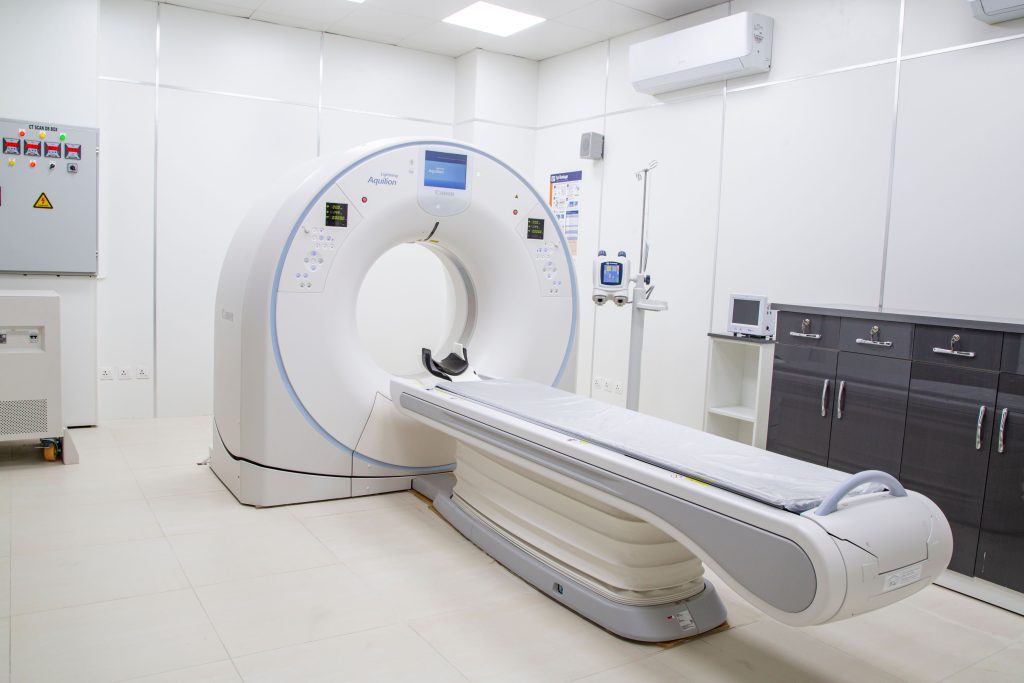
Importing medical equipment into Nigeria is not the same as bringing in ordinary commercial goods. A shipment of hospital beds, diagnostic machines, laboratory items, surgical supplies, oxygen equipment, or medical consumables can be delayed if the paperwork, permits, product classification, or clearing process is not handled properly.
That is why medical customs clearance in Nigeria requires more than a general clearing agent. It needs someone who understands Nigerian ports, airport cargo processes, regulatory documentation, and the urgency that comes with healthcare-related shipments.
For hospitals, clinics, NGOs, medical suppliers, laboratories, and distributors, one delay at Apapa Port, Tin Can Island, or Lagos airport cargo terminal can affect service delivery, project timelines, and patient care.
What Makes Medical Cargo Different From Regular Imports
Medical shipments are treated more carefully because they can affect public health. Items such as medical devices, diagnostic tools, hospital equipment, consumables, and health-related products may require proper documentation before they can be cleared and distributed.
NAFDAC provides regulatory guidance for medical devices covering importation, distribution, sale, and use in Nigeria, while Nigeria Customs handles the formal import declaration and cargo release process.
This means the clearing process may involve:
Product description and HS code confirmation
Invoice and packing list review
Air Waybill or Bill of Lading check
Form M and PAAR documentation where applicable
NAFDAC permit or registration documents where required
Duty, levy, and terminal charge assessment
Inspection coordination at the port or airport
For sensitive medical shipments, small mistakes can create expensive delays.
Common Medical Items That Need Careful Clearance
Not every medical item follows the same process. A hospital importing furniture will not face the same level of scrutiny as a company importing diagnostic equipment or regulated consumables.
Common shipments include:
Medical equipment: Items such as ultrasound machines, dialysis machines, X-ray accessories, monitors, theatre equipment, and hospital beds usually require accurate classification and supporting documents.
Laboratory supplies: Test kits, lab instruments, sample containers, and diagnostic materials may need regulatory checks depending on the product type.
Hospital consumables: Gloves, syringes, masks, dressings, and related supplies must be properly declared to avoid questions during inspection.
Emergency medical cargo: Oxygen concentrators, mobility aids, ICU equipment, and urgent hospital supplies often require faster coordination to reduce demurrage and storage costs.
Travo.ng helps importers understand what documents are needed before the cargo arrives, instead of waiting until the shipment is already stuck at the terminal.
Where Medical Shipments Usually Enter Nigeria
Most medical imports come through Lagos because of port and airport access. Air cargo is common for urgent or high-value items, while sea freight is often used for bulky hospital equipment.
Typical entry points include:
Murtala Muhammed Airport cargo terminal: Best for urgent medical supplies, replacement parts, diagnostic kits, and high-value equipment that cannot wait for sea freight.
Apapa Port and Tin Can Island Port: Common for containerized hospital equipment, beds, machinery, medical furniture, and bulk supplies.
Onne Port: Sometimes used for large institutional or project-based imports, especially when the final destination is in the South-South or South-East.
After clearance, many shipments still need onward transport to Abuja, Port Harcourt, Kano, Enugu, Ibadan, Benin, or other cities. This is where customs clearance and logistics coordination must work together.
Documents Importers Should Prepare Before the Cargo Arrives
A lot of medical cargo delays happen before the goods even land in Nigeria. The importer may have shipped the goods without confirming whether the invoice description, permit, HS code, or consignee details match what Customs and other agencies expect.
Important documents usually include:
Commercial invoice
Packing list
Bill of Lading or Air Waybill
Form M and PAAR where applicable
Certificate of origin where required
Insurance certificate
NAFDAC-related permits or registration documents where applicable
Product catalogue or technical datasheet
End-user details for hospital or institutional shipments
Nigeria Customs clearance procedures rely on documents such as final invoice, transport document, packing list, permit where necessary, insurance, Form M, and PAAR.
For medical cargo, it is better to review these documents before shipping rather than trying to correct errors after arrival.
What Usually Causes Delays During Medical Customs Clearance
The most common problem is poor product description. For example, an invoice that simply says “medical equipment” is too vague. Customs and regulators need to know the exact item, model, function, quantity, value, and sometimes the intended use.
Other common issues include:
Wrong consignee name
Missing regulatory permit
Incomplete packing list
Undervalued invoice
Incorrect HS code
Unclear product classification
Unmatched Form M and shipping documents
Late terminal payment
No plan for inland delivery after release
These issues can lead to examination delays, additional queries, demurrage, storage charges, and unnecessary back-and-forth with agents.
How Long Medical Customs Clearance Can Take in Nigeria
There is no single fixed timeline because it depends on the cargo type, port condition, documentation, and inspection requirements.
As a practical guide:
Air cargo medical supplies: Usually faster when documents are complete and regulatory issues are already sorted.
Sea freight medical equipment: Can take longer due to container handling, terminal movement, examination, duty assessment, and possible agency checks.
Urgent hospital cargo: Needs active follow-up from the moment the shipment is confirmed, not after it arrives.
The fastest clearances usually happen when the importer prepares early, submits accurate documents, and works with a team that can coordinate customs, terminal, regulatory checks, and delivery together.
How Travo.ng Supports Medical Importers
Travo.ng provides practical support for medical customs clearance in Nigeria by helping importers coordinate the process from documentation review to final delivery.
Depending on the shipment, support may include customs clearance coordination, airport cargo handling, port clearing support, cargo delivery, vehicle arrangement, and interstate transport to hospitals, clinics, warehouses, NGOs, or project sites.
For example, if a diagnostic equipment shipment arrives by air in Lagos and needs to reach a hospital in Abuja, Travo.ng can help coordinate clearance and onward movement. If a container of hospital beds arrives at Tin Can Island and needs delivery to a medical facility in Port Harcourt, the process can be planned from port release to trucking.
This reduces confusion for importers who do not want to deal with multiple disconnected vendors.
A Smarter Way to Clear Medical Cargo in Nigeria
Medical imports should not be handled casually. The goods are often expensive, time-sensitive, and important to real healthcare operations. A delayed dialysis machine, theatre equipment, lab device, or emergency medical supply can affect more than just business costs.
Before shipping medical products into Nigeria, confirm your documentation, regulatory requirements, cargo route, clearance plan, and final delivery arrangement.
Travo.ng helps hospitals, suppliers, NGOs, laboratories, and importers manage medical customs clearance in Nigeria with a practical, locally informed approach. Whether your shipment is coming through Lagos airport, Apapa, Tin Can, or another entry point, proper planning can save time, reduce avoidable charges, and help your medical cargo reach the right destination safely.
