


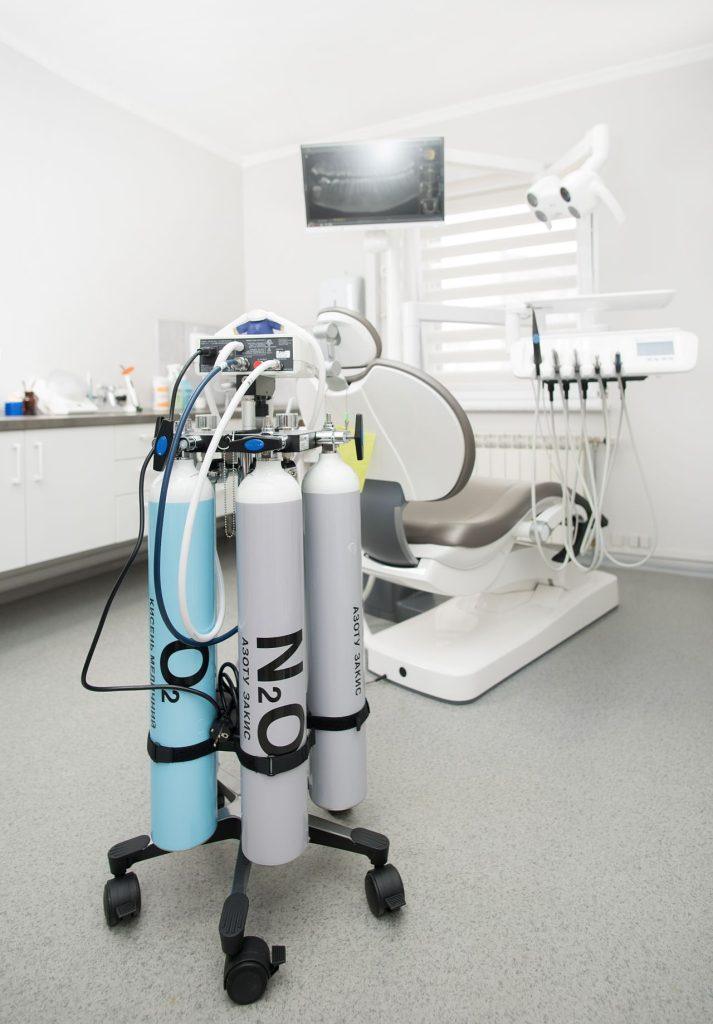
Transporting mobile medical equipment in Nigeria is not the same as moving regular office items or household goods. A dialysis machine, portable ultrasound scanner, patient monitor, oxygen concentrator, hospital bed, mobile X-ray unit, or laboratory device needs careful handling from pickup to delivery. One small mistake during loading, road movement, or offloading can lead to damage, delay, or costly repairs.
This is why hospitals, diagnostic centres, NGOs, private clinics, and medical suppliers need more than a random truck or driver. They need a logistics team that understands timing, equipment protection, route planning, and the sensitive nature of healthcare deliveries. Travo.ng helps coordinate reliable transport for medical equipment across Nigeria, whether it is within Lagos or moving between states.
What Makes Medical Equipment Transport Different From Normal Delivery
Medical equipment is often fragile, expensive, and urgently needed. Some machines have screens, sensors, wheels, cables, fluid lines, batteries, or calibration-sensitive parts. Even equipment that looks strong from the outside can be damaged by vibration, poor lifting, rain exposure, or rough handling.
For example, moving a dialysis machine from a supplier in Lagos to a clinic in Ibadan requires more planning than simply placing it in a van. The machine may need to be wrapped, kept upright, secured inside the vehicle, and unloaded by people who understand that it cannot be dragged carelessly across the floor.
The same applies to equipment going to hospitals in Abuja, Port Harcourt, Benin, Enugu, Kano, or other Nigerian cities. Road conditions, traffic delays, security checks, and weather can all affect the delivery.
Common Types of Mobile Medical Equipment Moved in Nigeria
Health facilities and suppliers often need transport for different categories of mobile or movable equipment, including:
Portable diagnostic equipment: This includes ultrasound machines, ECG machines, patient monitors, mobile X-ray units, and laboratory testing devices.
Treatment and support machines: Dialysis machines, oxygen concentrators, suction machines, infusion pumps, and emergency response equipment need careful handling.
Hospital furniture and mobility equipment: Adjustable beds, wheelchairs, stretchers, examination couches, trolleys, and theatre support items often require larger vehicles.
Clinic setup equipment: New clinics may need coordinated delivery of several items at once, especially when opening in areas such as Lekki, Ikeja, Abuja, Port Harcourt, or Asaba.
How Much Planning Is Needed Before Pickup
Before moving mobile medical equipment in Nigeria, the first step is to confirm the size, weight, pickup address, delivery address, floor level, and access conditions. A clinic inside a shopping complex in Victoria Island may need a different loading plan from a hospital with a ground-floor loading bay in Gwarinpa.
It is also important to confirm whether the machine has detachable parts, whether it must remain upright, and whether it needs special packaging. For interstate trips, the delivery timeline should allow for traffic around Lagos exits, checkpoints, bad road sections, fuel stops, and possible delays during rainy season.
This kind of planning helps reduce last-minute surprises.
Choosing the Right Vehicle for Medical Equipment Delivery
Not every vehicle is suitable for medical equipment transport. Small portable devices may fit into a clean, enclosed car or van, while larger machines may need a bus, panel van, pickup, or small truck. The vehicle should be clean, covered, stable, and suitable for securing the equipment during movement.
For expensive machines, open trucks are usually not the best option unless the equipment is properly crated and weather-protected. Rain, dust, and road vibration can create serious problems. For hospital deliveries in busy areas like Surulere, Ikeja, Wuse, Lekki, or Port Harcourt GRA, a vehicle that can access the location easily is also important.
Travo.ng can help customers arrange suitable transport based on the type of equipment, delivery distance, and urgency.
Mistakes People Make When Moving Medical Equipment
Many equipment problems happen because the delivery was treated like a regular parcel movement. Common mistakes include:
Using untrained handlers: Medical machines should not be lifted, dragged, or tilted without understanding the risk.
Ignoring packaging: Bubble wrap, cartons, crates, straps, and padding may be needed depending on the item.
Choosing the cheapest vehicle blindly: A low transport fee can become expensive if the equipment gets damaged.
Failing to confirm access: Narrow staircases, no lift access, or blocked hospital entrances can delay offloading.
Not coordinating delivery time: Some hospitals and clinics only receive equipment during specific hours.
Moving Equipment Within Lagos and Across States
In Lagos, same-day movement may be possible depending on the pickup point, delivery area, traffic, and equipment size. A delivery from Ikeja to Lekki may take longer than expected if it falls during peak traffic or heavy rain. For interstate delivery, Lagos to Ibadan may often be handled within the same day, while Lagos to Abuja, Port Harcourt, Enugu, or Kano usually needs more structured planning.
Medical suppliers delivering to multiple clinics may also need route coordination, especially when equipment must be dropped at different locations.
How Travo.ng Supports Medical Equipment Transport
Travo.ng helps individuals, clinics, suppliers, hospitals, and healthcare organisations coordinate practical transport for mobile medical equipment in Nigeria. Depending on the delivery requirement, Travo.ng can assist with vehicle hire, equipment pickup, courier coordination for smaller devices, cargo logistics, relocation support, and interstate movement.
Instead of calling random drivers and hoping the delivery goes well, customers can book through a service that understands Nigerian routes, timing, and logistics realities. Whether you are moving one dialysis machine, setting up a small clinic, supplying diagnostic equipment, or relocating hospital items, proper planning makes the process safer and more reliable.
For medical equipment movement, the goal is simple: pick up safely, transport carefully, and deliver without damage or unnecessary delay. Travo.ng gives customers a convenient way to arrange that support across Nigeria.
