


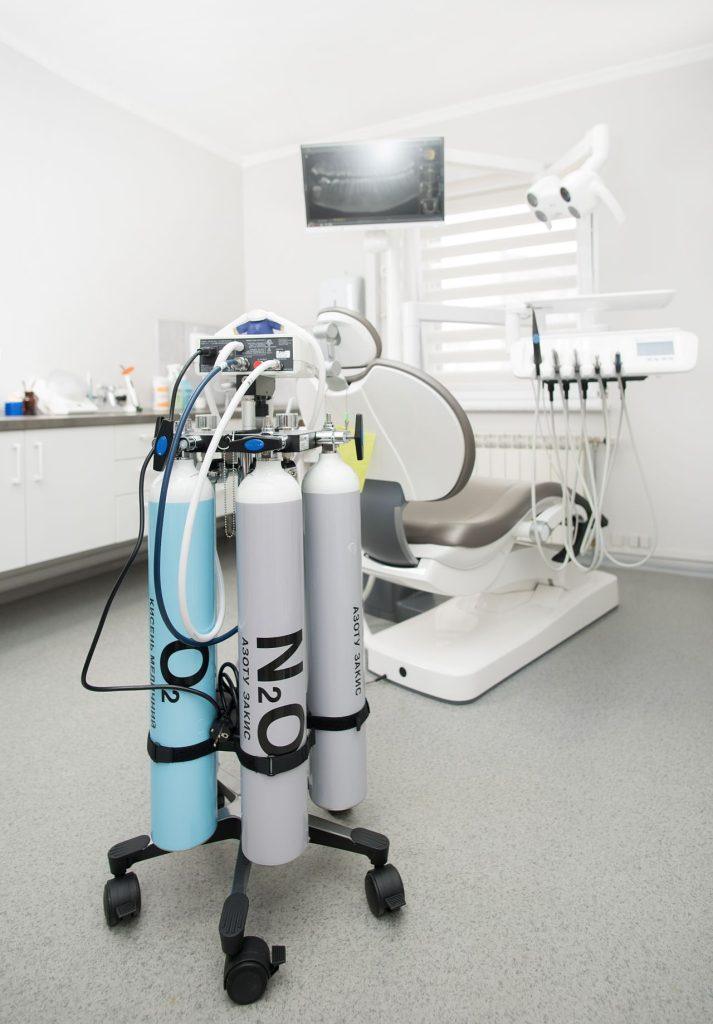
Hospital equipment leasing in Nigeria is becoming a practical option for clinics, diagnostic centres, private hospitals, NGOs and medical project teams that need reliable equipment without paying full purchase costs upfront. In many Nigerian cities, healthcare providers often face one common problem: they need machines quickly, but buying, importing, clearing, transporting and installing them can take time and heavy capital.
Leasing helps bridge that gap. A hospital can access essential medical equipment for a fixed period, manage cash flow better, and scale services without tying down all its funds in one purchase. But the real challenge is not only finding the equipment. It is moving it safely, delivering it on time, and making sure the logistics process does not damage sensitive medical assets.
That is where proper coordination matters.
What Hospitals Usually Lease Instead of Buying Immediately
Not every facility wants to own every machine from day one. A new clinic in Lekki, for example, may lease diagnostic equipment while building patient volume. A temporary medical outreach team in Abuja may need beds, monitors and oxygen support for only a few weeks. A hospital in Port Harcourt may lease backup equipment while waiting for imported units to arrive.
Commonly leased hospital equipment in Nigeria may include:
Patient monitors: Used in wards, emergency units, recovery rooms and intensive care areas.
Hospital beds and stretchers: Often needed during expansion, renovation or temporary medical missions.
Oxygen concentrators and cylinders: Useful for clinics, home care support and emergency response teams.
Dialysis-related equipment: Requires extra care because of weight, sensitivity and installation requirements.
Diagnostic equipment: Such as ultrasound machines, ECG machines and laboratory support devices.
The equipment itself is important, but so is how it gets from the supplier to the hospital. Medical machines are not ordinary cargo. They need careful handling, secure loading, clean transport conditions and experienced coordination.
Why Moving Medical Equipment Is Different From Normal Delivery
Hospital equipment leasing in Nigeria often involves fragile, expensive and time-sensitive items. A courier van that works for office documents may not be suitable for a dialysis machine, theatre equipment or diagnostic device.
Some equipment must be kept upright. Some must not be exposed to rain, dust or rough handling. Some machines need a tail-lift truck, padded movement, careful loading, or professional handlers who understand that one careless drop can cause serious damage.
In Lagos, traffic around Ikeja, Surulere, Lekki, VI and Apapa can affect delivery timing. In Abuja, distance between suppliers, hospitals and project sites can still delay movement if transport is not planned properly. For interstate movement, routes such as Lagos to Ibadan, Lagos to Abuja, Onitsha to Port Harcourt, or Abuja to Kano require more planning because road condition, checkpoints, loading time and delivery windows all matter.
This is why healthcare providers should not treat hospital equipment movement like regular parcel delivery.
What to Check Before Leasing Hospital Equipment
Before paying for leased equipment, hospitals and project managers should confirm a few things clearly.
Lease duration: Is the equipment needed for days, weeks, months or a long-term arrangement?
Delivery responsibility: Will the supplier deliver, or does the hospital need to arrange transport?
Handling requirements: Does the machine need special lifting, shock protection or installation support?
Access at the facility: Can the vehicle enter the hospital premises easily, or will equipment need manual movement from the gate?
Insurance and accountability: Who is responsible if the equipment is damaged during transit?
Return logistics: What happens when the lease period ends and the equipment must be returned?
Many people focus only on the rental cost and forget the movement cost. That mistake can create delays, extra charges or damage disputes.
Realistic Cost Factors to Expect
The cost of leasing hospital equipment in Nigeria depends on the type of machine, lease period, location, urgency and supplier terms. Transport cost is usually separate unless included by the leasing company.
For example, moving a small oxygen concentrator within Lagos may cost far less than transporting multiple hospital beds from Lagos to Abuja. A delicate diagnostic machine may require special packing and careful handling, while bulky items may require a truck and loading team.
The biggest cost factors usually include:
Distance between pickup and delivery point
Weight and size of the equipment
Need for special handling or packaging
Same-day or scheduled delivery request
Interstate transport requirements
Number of handlers needed at pickup and drop-off
For hospitals, the best approach is to request a full breakdown before confirming the lease. That way, there are no surprises after payment.
How Travo.ng Supports Hospital Equipment Leasing Logistics
Travo.ng helps make the movement side of hospital equipment leasing in Nigeria easier for healthcare providers, suppliers and project teams. Instead of struggling to find a vehicle, handlers and delivery coordination separately, customers can arrange practical logistics support based on the equipment type and delivery location.
For leased medical equipment, Travo.ng can support with equipment pickup, courier coordination, cargo logistics, scheduled delivery, vehicle hire and return movement after the lease period. This is useful for clinics setting up new departments, hospitals replacing faulty machines temporarily, NGOs running medical outreaches, and suppliers delivering to multiple facilities.
The goal is simple: get the equipment to the right place safely, on time and with less stress.
Mistakes to Avoid When Leasing and Moving Hospital Equipment
A common mistake is booking transport too late. If the equipment is needed for a procedure, clinic launch or outreach programme, delivery should not be arranged on the same morning unless it is truly unavoidable.
Another mistake is choosing the cheapest vehicle without checking suitability. A low-cost option may become expensive if the equipment gets scratched, delayed or damaged.
Hospitals should also avoid unclear pickup instructions. The supplier, driver and receiving facility should all know the exact contact person, delivery address, access point and expected arrival time.
Book Hospital Equipment Leasing Support With Better Planning
Hospital equipment leasing in Nigeria can help healthcare providers expand services, manage costs and respond quickly to patient needs. But the process works best when leasing, delivery, handling and return logistics are planned together.
Travo.ng gives hospitals, suppliers and medical project teams a more organised way to coordinate equipment movement, delivery services and transport support across Nigeria. Whether the equipment is moving within Lagos, from Abuja to another city, or between supplier and hospital locations, proper logistics planning protects both the equipment and the patient care timeline.
