


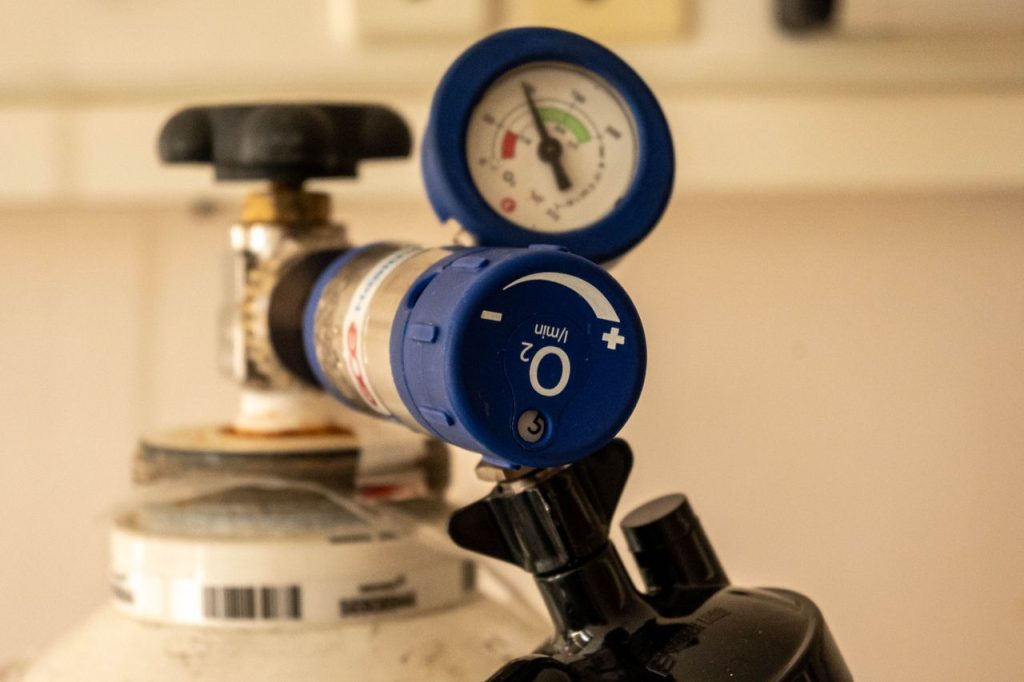
Medical oxygen delivery in Nigeria is not the kind of logistics job that should be handled casually. When a patient needs oxygen at home, in a clinic, or during transfer between locations, timing and handling matter. A delayed cylinder, wrong delivery address, poor communication, or careless transport arrangement can create unnecessary stress for families and healthcare workers.
Across cities like Lagos, Abuja, Port Harcourt, Ibadan, Benin, and Enugu, many people now need practical support moving medical supplies safely. Some requests come from private hospitals. Others come from families caring for elderly patients, post-surgery patients, respiratory cases, or people receiving home-based care. In these situations, Travo.ng helps coordinate reliable logistics support so oxygen cylinders and related medical delivery needs are handled with the seriousness they require.
What families usually need when arranging oxygen delivery
Most families are not logistics experts. They may only know that a doctor has recommended oxygen support and that a cylinder must get to the patient quickly. The real challenge is usually arranging pickup, confirming cylinder availability, getting the right vehicle, and making sure the delivery person understands that this is not an ordinary parcel.
For example, a family in Lekki may need oxygen moved from a supplier around Ikeja or Oshodi. Another family in Abuja may need delivery from a medical supplier in Wuse to a home in Gwarinpa or Lugbe. In both cases, the person booking the delivery needs clear updates, careful handling, and a rider or driver who will not treat the cylinder like regular market goods.
This is where proper coordination makes a difference.
Why medical oxygen delivery is different from normal courier service
A small package can be delayed for a few hours without serious consequences. Medical oxygen is different. The delivery may be linked to a patient’s breathing support, discharge from hospital, or urgent home care setup.
Good medical oxygen transport should consider:
Pickup confirmation before dispatch: The supplier or hospital should be ready before the driver arrives to avoid wasted time.
Safe cylinder positioning: Oxygen cylinders should not be thrown into a vehicle carelessly or handled like scrap metal.
Clear address details: Hospital names, estate gates, floor numbers, and contact persons should be confirmed before movement starts.
Fast communication: The family, supplier, and recipient should know when the delivery has been picked up and when it is close.
Vehicle suitability: Depending on the size and number of cylinders, a bike may not be appropriate. A car, van, or small logistics vehicle may be safer.
How long oxygen delivery can take in Nigerian cities
Delivery time depends heavily on the city, route, traffic, and how quickly the supplier releases the cylinder. In Lagos, a short mainland-to-mainland movement may take one to two hours, while Ikeja to Ajah or Lekki during evening traffic can take much longer. Abuja routes are often smoother, but distance from areas like Wuse or Garki to Lugbe, Kubwa, or Gwarinpa still needs proper planning.
For interstate medical oxygen delivery in Nigeria, the arrangement is more sensitive. Moving oxygen from Lagos to Ibadan, Abuja to Kaduna, or Port Harcourt to Aba requires proper vehicle planning, route timing, and clear handover instructions. It is not something that should be booked last minute without checking road conditions, cylinder size, and recipient availability.
Common mistakes people make when booking oxygen delivery
One common mistake is assuming any dispatch rider can carry a medical oxygen cylinder. Some cylinders are too heavy or unsafe for bike movement. Another mistake is sending incomplete pickup details, such as only the supplier’s name without a contact person or exact address.
Families also sometimes forget to confirm whether the cylinder is full, whether a regulator is included, or whether the delivery includes return pickup of an empty cylinder. These small details can cause delays, extra costs, and confusion.
Before booking, it helps to confirm:
The pickup address and supplier contact
The delivery address and receiver’s phone number
The cylinder size and quantity
Whether accessories are included
Whether return pickup is needed
How urgent the delivery is
When clinics and care providers need regular oxygen logistics
Private clinics, diagnostic centres, home care providers, and small hospitals often need more than one-off delivery. They may need scheduled oxygen pickup, replacement cylinder movement, or delivery support for patients receiving care outside the hospital.
For these customers, reliability is more important than cheap pricing alone. A clinic cannot afford a driver who disappears halfway through a delivery or fails to update the nurse in charge. Travo.ng can support medical delivery coordination by helping arrange suitable transport options, courier support, and planned logistics for healthcare-related movements.
Booking medical oxygen delivery through Travo.ng
Travo.ng provides practical logistics support for people and businesses that need dependable movement across Nigeria. For medical oxygen delivery, the process starts with understanding the pickup point, delivery address, urgency, cylinder size, and handling needs.
The goal is simple: make the delivery safer, clearer, and less stressful for the people involved. Whether the oxygen is going to a patient’s home, a private clinic, a care facility, or another medical location, proper coordination helps avoid delays and poor handling.
Travo.ng can also assist with related services such as medical deliveries, courier services, vehicle hire, airport pickup, travel booking, and logistics support for businesses that need organized movement across Nigerian cities.
For anyone arranging medical oxygen delivery in Nigeria, the safest approach is to use a service that understands timing, communication, and local transport realities. With Travo.ng, families and healthcare providers can book delivery support with more confidence and less confusion.
