


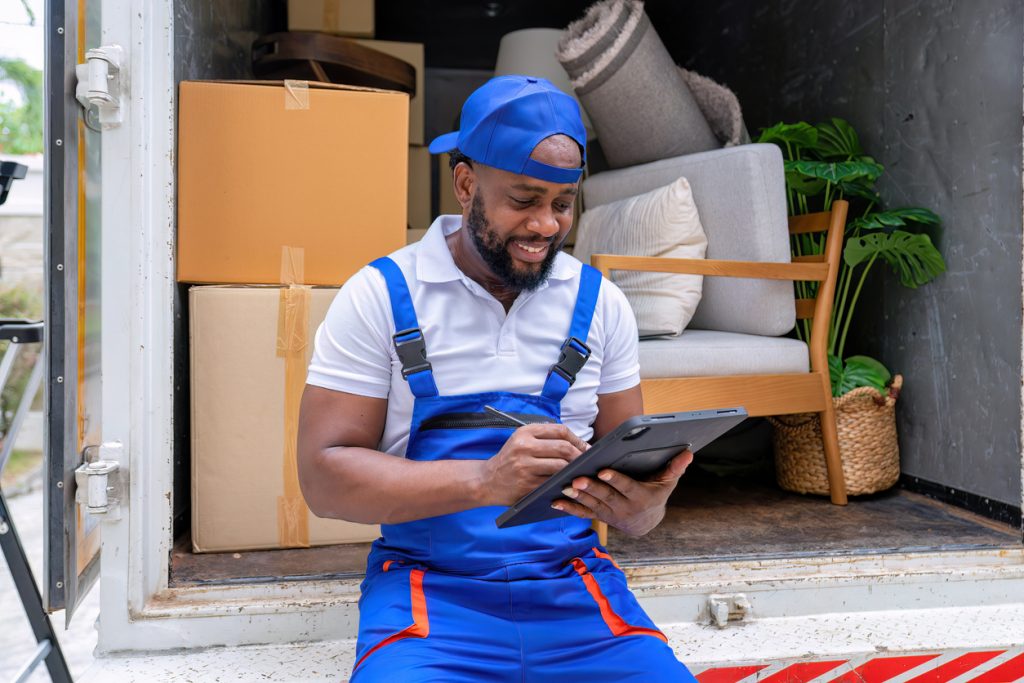
Reverse logistics refers to the process of moving goods from the customer or end destination back to the warehouse, seller, or manufacturer for reasons such as returns, damage, refurbishment, recycling, or replacement.
In Nigeria, especially within e-commerce, FMCG, electronics, and retail supply chains, reverse logistics is becoming essential due to rising online purchases and customer return expectations.
Travo.ng supports reverse logistics operations by coordinating pickup, inspection, consolidation, warehousing, and redistribution of returned or damaged goods across Lagos and major distribution routes.
1. What Is Reverse Logistics?
Reverse logistics is the backward flow of goods in the supply chain, including:
- Customer returns
- Damaged goods recovery
- Unsold inventory returns
- Product recalls
- Recycling or disposal
👉 Unlike normal logistics (warehouse → customer), reverse logistics is customer → warehouse/manufacturer.
2. Why Reverse Logistics Matters in Nigeria
Reverse logistics is growing rapidly because of:
- Expansion of e-commerce platforms
- High return rates in fashion and electronics
- FMCG product damage during transport
- Poor handling in last-mile delivery
- Rising customer expectations for refunds/exchanges
In Lagos, where delivery speed is fast but traffic and handling risks are high, returns are common.
3. Reverse Logistics Flow (Simple Process)
- Customer requests return or exchange
- Pickup is arranged (last-mile collection)
- Item is transported to consolidation point
- Warehouse inspection (damage check & classification)
- Decision:
- Restock (sellable goods)
- Repair/refurbish
- Return to supplier/manufacturer
- Dispose/recycle
4. Types of Reverse Logistics in Nigeria
1. Customer Returns
- Wrong size or product
- Dissatisfaction or refund requests
- Common in e-commerce and fashion
2. Damaged Goods Returns
- Broken electronics
- Crushed FMCG items
- Transport or handling damage
3. Warranty Returns (RMA)
- Products returned under warranty
- Requires inspection and validation
4. Recall Logistics
- Manufacturer recalls faulty batches
- Requires fast nationwide collection
5. Recycling & Disposal Logistics
- E-waste
- Packaging waste
- Expired goods
5. Reverse Logistics Infrastructure in Nigeria
A strong reverse logistics system requires:
A. Return Collection Network
- Courier pickup points
- Last-mile logistics riders or vans
- Regional collection hubs
B. Consolidation Warehouses
Located in:
- Lagos (Ikeja, Amuwo Odofin, Apapa, Lekki axis)
- Ogun industrial zones (Agbara, Sagamu)
Used for:
- Sorting returned goods
- Inspection and grading
- Repackaging or disposal decisions
C. Inspection & Quality Control Units
- Product testing
- Damage assessment
- Repackaging operations
D. Redistribution Channels
- Restock into inventory
- Resell via secondary markets
- Return to suppliers
6. Challenges of Reverse Logistics in Nigeria
- High transport cost for returns
- Poor address systems in last-mile delivery
- Lack of structured return warehouses
- Product damage during return transit
- Fraudulent return claims
- Limited automation and tracking systems
7. Cost Factors in Reverse Logistics
Reverse logistics is usually more expensive than forward logistics because:
- Double transportation cost (delivery + return)
- Inspection and sorting cost
- Warehousing for returned goods
- Repackaging or refurbishment
- Loss from unsellable goods
In many cases, businesses spend 20%–50% more per returned item than initial delivery cost.
8. Industries That Rely on Reverse Logistics
E-commerce
- Returns due to size, fit, or preference
Electronics
- Warranty repairs and defective units
FMCG
- Expired or damaged goods
Fashion & Retail
- High return rates due to sizing issues
Pharmaceutical & Medical
- Strict recall and compliance returns
9. Benefits of Strong Reverse Logistics System
- Reduces financial loss from returns
- Improves customer satisfaction
- Recovers value from damaged goods
- Enhances inventory accuracy
- Supports sustainability and recycling
10. Best Practices for Reverse Logistics in Nigeria
- Use centralized return warehouses
- Automate return authorization (RMA system)
- Track returned items with barcode/RFID
- Partner with reliable logistics providers
- Classify goods quickly (resell, repair, dispose)
- Integrate returns into supply chain planning
How Travo.ng Supports Reverse Logistics
Travo.ng helps businesses by:
- Setting up structured return pickup networks
- Coordinating reverse transportation across Lagos and Nigeria
- Managing consolidation warehouses for returned goods
- Supporting inspection and redistribution processes
- Reducing loss from damaged or returned inventory
