


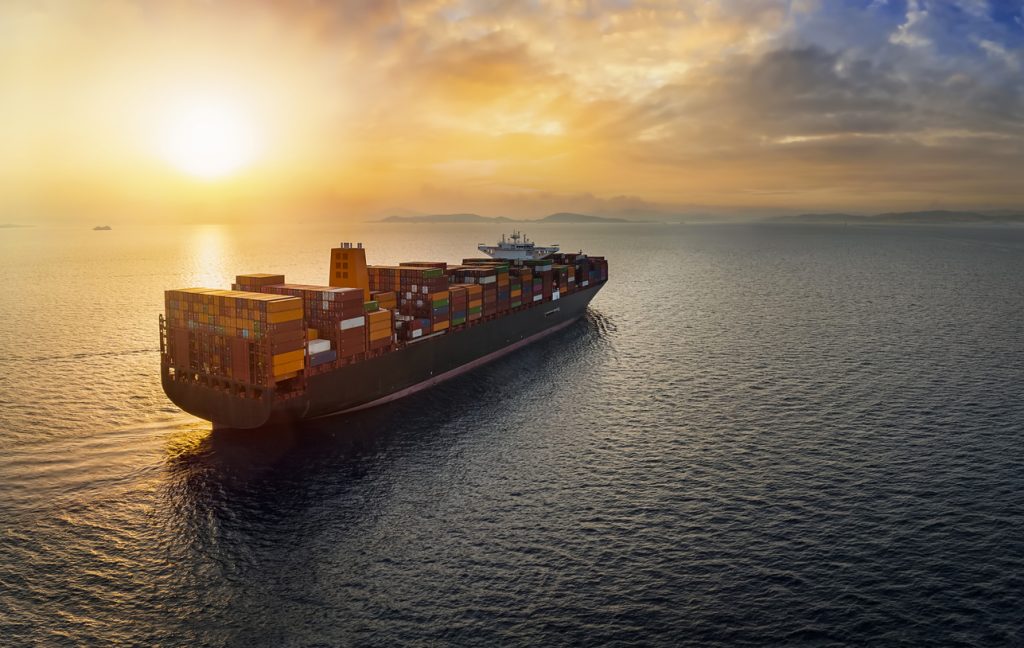
For importers and exporters in Nigeria moving large volumes of goods, FCL shipping (Full Container Load) is often the most efficient and secure option. Instead of sharing space with other shippers, you book an entire 20ft or 40ft container for your cargo.
But one issue has always made FCL shipping stressful in Nigeria — payment in foreign currency. Today, many logistics providers now offer FCL shipping in Nigeria with Naira payment, making container booking more accessible for businesses that don’t want FX complications.
What FCL Shipping Actually Means
FCL stands for Full Container Load, meaning:
- You rent the entire container
- Your goods are not mixed with other shipments
- The container goes directly from origin to destination
Common container sizes include:
- 20ft container (small to medium cargo)
- 40ft container (large volume shipments)
FCL is commonly used for:
- Bulk imports
- Export shipments
- Business inventory
- Machinery and equipment
- Large e-commerce stock
Why FCL Shipping Is Usually Priced in Dollars
Even though the container departs from Nigerian ports like Lagos (Apapa or Tin Can), pricing is still based on global freight systems.
Typical charges include:
- Ocean freight (USD-based)
- Terminal handling charges
- Customs documentation
- Port fees and surcharges
- Inland haulage
Because shipping lines operate globally, invoices are usually issued in foreign currency.
The Real Problem Nigerian Importers Face
FCL shipping delays in Nigeria are often not caused by logistics — but by payment challenges:
- Difficulty accessing dollars
- Exchange rate fluctuations increasing costs
- Delays funding domiciliary accounts
- Failed international card payments
- Containers held due to unpaid freight invoices
For businesses, these delays can affect supply chains and customer commitments.
How FCL Shipping With Naira Payment Works
Many freight forwarders now allow customers to pay in Naira by converting total shipping costs into local currency.
Here is how it works:
- You request FCL shipment details (cargo type, destination, container size)
- Freight cost is calculated (ocean freight + local charges + clearance)
- Total cost is converted into Naira using current exchange rate
- You receive a single Naira invoice
- Payment is made locally via Nigerian bank transfer
- Container is booked and shipped
This removes the need for direct FX transactions.
Example: Lagos to USA 40ft FCL Shipment
A Nigerian importer wants to ship electronics in a 40ft container to the US.
Traditional process:
- Receive USD invoice from shipping line
- Source FX through bank or bureau de change
- Delay booking while arranging payment
Modern Naira-based process:
- Receive all-inclusive Naira quotation
- Pay locally via bank transfer
- Container is booked immediately
- Shipment moves without FX delay
This improves speed and planning reliability.
What FCL Shipping Is Commonly Used For
FCL shipping is widely used for:
- Bulk commercial imports
- Export of Nigerian products
- Manufacturing equipment
- E-commerce inventory
- Agricultural exports
- Household relocation shipments
- Large-scale trade goods
It is the preferred option when cargo volume is high enough to fill or justify a full container.
Why Businesses Prefer Paying FCL Shipping in Naira
Companies choose Naira-based payment because it helps with:
- Easier cost planning
- Faster booking approval
- Reduced FX risk
- Simplified accounting
- Better cash flow control
For import/export businesses in Nigeria, predictability is key to maintaining operations.
Common Mistakes That Increase FCL Shipping Costs
Many importers experience higher costs due to avoidable mistakes:
- Delaying payment and missing vessel schedules
- Ignoring demurrage and storage timelines
- Not confirming full cost breakdown upfront
- Using unverified freight agents
- Assuming ocean freight is the only cost involved
These mistakes can significantly increase final landed cost.
How Travo.ng Supports FCL Shipping in Naira
With Travo.ng, businesses in Nigeria can access FCL shipping services and pay in Naira through local banking channels.
This supports:
- Full container load (FCL) booking
- Export and import logistics coordination
- Sea freight container shipping
- Door-to-door international cargo
- Business supply chain logistics
Process:
- Request FCL shipping quote
- Receive Naira-based pricing
- Pay locally in Nigeria
- Container is booked and shipped
This is especially useful for importers, exporters, and SMEs handling regular bulk shipments.
Important Things to Understand
Even when paying in Naira:
- Freight rates still depend on global shipping markets
- Exchange rates may affect quotation validity
- Customs duties are separate from freight costs
- Port delays can affect total shipping time and cost
Local payment improves accessibility but does not change international shipping rules.
Final Insight
FCL shipping in Nigeria with Naira payment is making container logistics more practical for businesses.
Instead of struggling with dollar payments or FX delays, importers and exporters can now pay locally and move goods globally with more efficiency and control.
For Nigerian businesses handling bulk international trade, this has become one of the most reliable ways to manage full container shipments today.
