


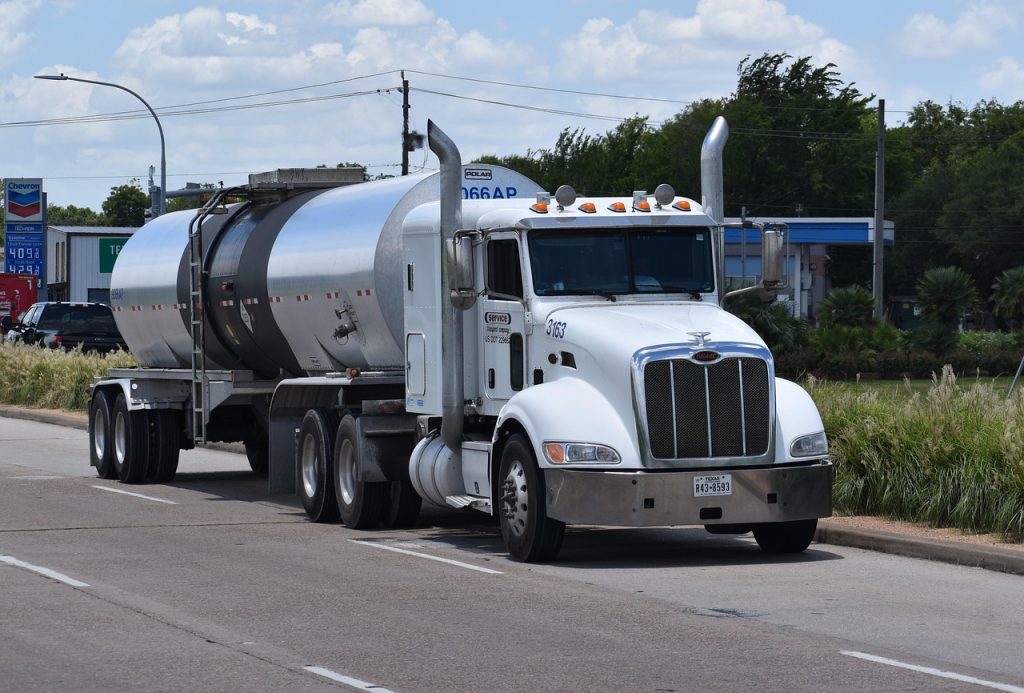
Return on Investment (ROI) in trucking fleet services refers to the financial performance metric used to evaluate how much profit a fleet generates compared to the capital invested in acquiring and operating the trucks. It is the most important indicator for truck owners, investors, and fleet managers because it determines whether a trucking business is truly profitable or simply active.
In logistics-driven economies like Nigeria—especially around Lagos ports, industrial corridors, and interstate freight routes—ROI is the ultimate measure of success in fleet investment decisions.
What ROI in trucking fleet services actually means
ROI measures the relationship between total investment and net profit generated from trucking operations.
In simple terms:
- Investment = cost of trucks + operational setup
- Return = net profit from freight operations
- ROI = how efficiently the fleet turns capital into profit
It answers one key question: Is the fleet making enough money to justify the investment?
Why ROI is important in trucking fleet services
Without ROI tracking, truck ownership becomes guesswork.
Proper ROI analysis helps investors:
- Identify profitable and unprofitable trucks
- Understand true operational costs
- Compare different fleet strategies
- Decide when to expand or reduce fleet size
- Improve pricing and contract decisions
- Avoid hidden financial losses
It turns trucking from a manual operation into a measurable investment.
How ROI is calculated in trucking fleets
A basic formula used in fleet investment:
Where:
- Net Profit = total revenue minus all operating costs
- Total Investment = cost of trucks + setup + operational capital
For example:
If a fleet generates ₦10,000,000 profit from a ₦50,000,000 investment:
- ROI = 20%
Core components that affect trucking ROI
1. Revenue generation efficiency
Revenue depends on:
- Freight rates per trip
- Number of completed trips per truck
- Cargo demand consistency
- Route profitability
- Contract stability with clients
Higher and consistent revenue increases ROI.
2. Fleet utilization rate
A truck only earns when it is moving.
Key factors include:
- Reducing idle time between trips
- Ensuring continuous cargo availability
- Minimizing empty return trips
- Increasing trips per month per truck
Higher utilization leads to stronger returns.
3. Fuel and operational cost control
Fuel is one of the largest cost drivers.
ROI improves when:
- Fuel consumption is monitored and optimized
- Fuel theft or wastage is eliminated
- Efficient driving behavior is enforced
- Route planning reduces unnecessary mileage
Lower costs directly increase profit margins.
4. Maintenance and downtime management
Breakdowns reduce earning days.
ROI is affected by:
- Preventive maintenance scheduling
- Frequency of repairs
- Spare parts and workshop efficiency
- Downtime per truck per month
Less downtime equals more income.
5. Driver performance and efficiency
Drivers influence both revenue and cost.
Impact areas include:
- Fuel efficiency per driver
- Trip completion speed
- Vehicle care and maintenance habits
- Compliance with operational rules
Good drivers improve ROI significantly.
6. Cargo sourcing and logistics coordination
No cargo means no revenue.
Fleet ROI depends on:
- Reliable freight sourcing channels
- Strong logistics partnerships
- Efficient dispatch coordination
- Reduced waiting time for loads
Consistent cargo flow stabilizes returns.
Key performance indicators (KPIs) for ROI tracking
Investors monitor:
- ROI percentage per truck
- Net profit per trip
- Cost per kilometre
- Fleet utilization rate
- Fuel efficiency ratio
- Maintenance cost ratio
- Revenue consistency index
These metrics show whether the fleet is performing well.
Types of ROI models in trucking fleet services
1. Short-term ROI model
- Focus: daily or weekly trip profits
- Common in high-frequency urban logistics
2. Medium-term ROI model
- Focus: monthly returns per truck
- Common in interstate haulage operations
3. Long-term ROI model
- Focus: asset depreciation and lifecycle profit
- Includes resale value of trucks
Challenges affecting ROI in trucking fleets
Common issues include:
- Rising fuel prices
- Poor road infrastructure
- Traffic congestion in major cities like Lagos
- High maintenance costs
- Cargo delays and port congestion
- Security risks on long-distance routes
These factors reduce profit margins if not managed.
Risks of ignoring ROI management
Without ROI tracking, investors may experience:
- Hidden losses despite active operations
- Overestimating fleet profitability
- Poor investment decisions
- Uncontrolled operational costs
- Asset underperformance
This leads to unsustainable fleet growth.
How to improve ROI in trucking fleet services
To maximize returns, fleets should focus on:
- Increasing truck utilization rates
- Reducing fuel and maintenance costs
- Improving cargo sourcing consistency
- Using GPS and fleet tracking systems
- Training and incentivizing drivers
- Optimizing routes for efficiency
Small improvements compound into higher profits.
Technology used in ROI optimization
Modern fleets rely on:
- GPS tracking and telematics systems
- Fuel monitoring sensors
- Fleet management software dashboards
- Predictive maintenance tools
- Automated financial reporting systems
These tools improve visibility and decision-making.
Where logistics coordination fits into ROI
Even highly optimized fleets depend on external logistics systems.
This includes:
- Cargo booking and freight forwarding
- Warehouse and distribution scheduling
- Port operations and clearance processes
- Intercity and interstate logistics planning
Delays in logistics directly reduce ROI performance.
How Travo.ng supports logistics coordination
While ROI in trucking fleet services focuses on financial performance and investment returns, logistics coordination ensures smooth movement of goods across the supply chain.
Travo.ng supports logistics operations through:
- Cargo consolidation and freight coordination
- Intercity and interstate delivery services
- Port-to-destination logistics support
- Supply chain coordination across Nigeria
- End-to-end logistics execution for cargo movement
This helps reduce inefficiencies that negatively affect ROI.
Final thoughts
Return on Investment in trucking fleet services is the most important metric for any investor in the logistics industry. It goes beyond revenue and focuses on real profit efficiency, cost control, and asset utilization.
A trucking fleet is only truly successful when it consistently converts capital into measurable, sustainable returns.
In modern logistics investment, the real question is not how many trucks you own—but how much ROI those trucks generate over time.
