


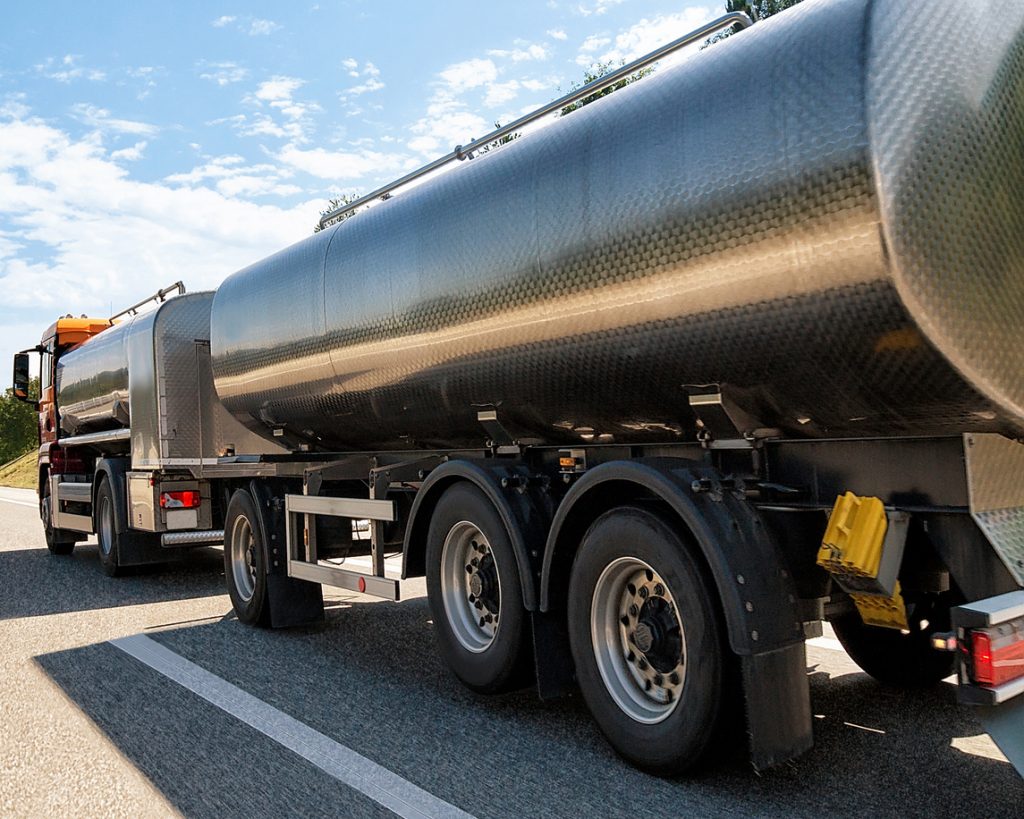
Owning one truck is challenging enough. Managing five, ten, or even more quickly becomes a different kind of business entirely. At that level, you are no longer just a truck owner—you are running a logistics system that requires coordination, discipline, and constant oversight.
Fleet management for truck investors is the structured process of operating multiple trucks as a single, organised income-generating system. Instead of treating each vehicle separately, everything is managed together—drivers, fuel, maintenance, routes, and cash flow.
For investors operating across Nigeria’s busiest logistics routes like Lagos–Ibadan, Lagos–Onitsha, and port corridors around Apapa and Tin Can Island, fleet management is what keeps returns stable and operations under control.
What fleet management for truck investors actually means
Fleet management is the central coordination of all trucks owned by an investor.
It includes:
- Vehicle deployment and dispatch coordination
- Driver recruitment, supervision, and performance control
- Fuel monitoring and expense tracking
- Maintenance scheduling across all trucks
- Cargo sourcing and delivery coordination
- Route planning and optimisation
- Financial reporting and profit analysis
In simple terms, it ensures all trucks work together as one organised business system.
Why fleet management is essential for truck investors
Once an investor owns multiple trucks, informal management becomes inefficient.
Without proper systems, common problems include:
- Trucks sitting idle due to poor scheduling
- Fuel wastage across different vehicles
- Unbalanced workload between trucks
- Frequent breakdowns from inconsistent maintenance
- Driver conflicts and poor accountability
- Lack of visibility into actual profits
These issues reduce returns even when demand for transport is high.
Core components of fleet management for truck investors
1. Centralised dispatch and vehicle coordination
Instead of assigning jobs randomly, trucks are managed centrally.
This involves:
- Assigning trucks based on capacity and availability
- Scheduling deliveries across all vehicles
- Reducing downtime between trips
- Ensuring balanced workload distribution
- Avoiding overlapping routes
For example, a Lagos-based investor must coordinate port runs differently from interstate haulage operations.
2. Driver management and performance control
Drivers are the backbone of fleet performance.
Fleet management includes:
- Hiring experienced and verified drivers
- Assigning drivers to specific trucks and routes
- Monitoring driving behaviour and discipline
- Structuring salaries and performance incentives
- Reducing fuel abuse and operational negligence
A disciplined driver system directly improves fleet profitability.
3. Fuel monitoring and cost efficiency
Fuel costs can determine whether a fleet is profitable or not.
Management covers:
- Fuel tracking per truck and per trip
- Monitoring consumption patterns
- Detecting irregular usage or leakage
- Optimising fuel-efficient driving practices
- Setting fuel budgets per route
Even small savings per truck multiply across the entire fleet.
4. Maintenance scheduling and breakdown control
Fleet profitability depends heavily on uptime.
This includes:
- Preventive maintenance scheduling for all trucks
- Engine diagnostics and servicing cycles
- Tire, brake, and suspension checks
- Emergency repair coordination
- Spare parts availability planning
A well-maintained fleet spends more time earning and less time idle.
5. Cargo coordination and logistics planning
No fleet is profitable without consistent cargo flow.
Fleet management ensures:
- Matching trucks with available cargo
- Coordinating customer delivery schedules
- Reducing empty return trips
- Building steady logistics demand pipelines
- Planning peak-season cargo movement
For instance, port-related deliveries often require strict timing due to congestion.
6. Route optimisation and delivery planning
Routes directly affect cost and delivery speed.
Management focuses on:
- Choosing efficient interstate routes
- Avoiding traffic-heavy corridors where possible
- Scheduling deliveries around port access timing
- Reducing fuel consumption through better planning
Efficient routing improves both cost and customer satisfaction.
7. Financial reporting and fleet performance tracking
Investors need clear visibility across all trucks.
Reports typically include:
- Revenue per truck
- Cost per trip and per kilometre
- Fuel and maintenance expenses
- Net profit per vehicle
- Overall fleet ROI performance
This helps investors identify strong and weak-performing assets.
How fleet performance is measured
Key performance indicators include:
- Fleet utilisation rate (active vs idle trucks)
- Fuel efficiency per kilometre
- Maintenance cost ratio
- Revenue per truck per month
- Delivery success rate
- Net profit margin across fleet
These metrics show whether the fleet is truly profitable.
Common challenges in truck fleet management in Nigeria
Truck investors often deal with:
- Traffic congestion in Lagos and other major cities
- Poor road conditions on interstate routes
- Fuel price fluctuations affecting operating costs
- Port delays at Apapa and Tin Can Island
- Security risks on highways
- Irregular cargo demand cycles
These realities make structured fleet management necessary.
Risks of poor fleet management
Without proper systems, investors often experience:
- Hidden fuel losses across multiple trucks
- High maintenance costs due to neglect
- Low truck utilisation rates
- Driver-related operational inefficiencies
- Unpredictable cash flow
- Reduced return on investment
Fleet ownership without management quickly becomes unprofitable.
How fleet management improves profitability
When properly executed, fleet management delivers:
- Higher truck utilisation rates
- Lower fuel and maintenance costs
- Better coordination of cargo flow
- Improved driver accountability
- Reduced downtime across all vehicles
- Stronger and more predictable ROI
The fleet becomes a structured, scalable logistics business.
Technology used in modern fleet management
Today’s fleet operators rely on:
- GPS tracking systems for real-time monitoring
- Digital dispatch and logistics platforms
- Fuel analytics and monitoring dashboards
- Predictive maintenance tools
- Automated reporting systems
Technology improves transparency and operational control.
Where logistics coordination fits into fleet management
Even well-managed fleets depend on external logistics systems.
This includes:
- Cargo booking and freight forwarding
- Warehouse and inventory coordination
- Port clearance and distribution logistics
- Intercity delivery scheduling
Delays in logistics directly reduce fleet productivity.
How Travo.ng supports logistics coordination
While fleet management focuses on controlling trucks and operations, logistics coordination ensures smooth movement of goods across the supply chain.
Travo.ng supports logistics operations through:
- Cargo consolidation and freight coordination
- Intercity and interstate delivery services
- Port-to-destination logistics support
- Supply chain coordination across Nigeria
- End-to-end logistics execution for cargo movement
This helps reduce delays that affect fleet utilisation and investor returns.
Final thoughts
Fleet management for truck investors is what transforms multiple vehicles from scattered assets into a structured, profit-driven logistics system. Without it, even a large fleet can underperform due to inefficiency, poor coordination, and uncontrolled costs.
With proper systems in place, investors gain visibility, control, and consistent profitability across all trucks.
In today’s logistics industry, success is not about how many trucks you own—it is about how effectively the entire fleet is managed as a unified investment system.
