


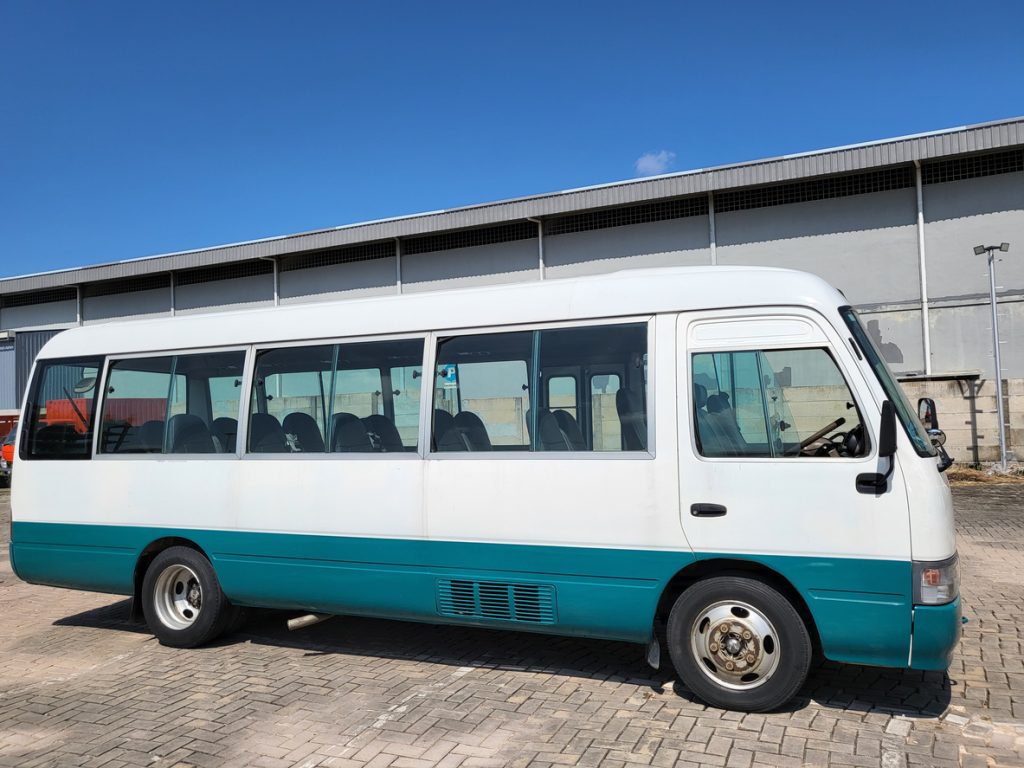
If you’ve traveled by road in Nigeria, especially between Lagos, Enugu, Abuja, Aba, Owerri, or Port Harcourt, then Peace Mass Transit (PMT) is one of the names you’ve definitely come across.
It’s one of the biggest interstate transport operators in the country, known for its wide route coverage and strong presence in the South-East corridor. From terminals like Ojota, Jibowu, Ajah in Lagos, to Emene and Abakpa in Enugu, PMT moves thousands of passengers daily across Nigeria’s busiest travel routes.
But beyond the popularity, the real experience depends on how well you understand how their system works on the ground.
How Peace Mass Transit Actually Works Across Nigeria
Peace Mass Transit operates a large interstate network covering almost every major region in Nigeria.
Common routes include:
- Lagos → Enugu / Aba / Owerri / Onitsha
- Lagos → Abuja / Mararaba / Suleja
- Port Harcourt → Lagos / Benin / Enugu
- Enugu → Abuja / Warri / Ibadan
- South-East → Northern and North-Central cities
These routes are heavily used by traders, students, and families moving between regions. According to PMT’s official route structure, they cover cities like Abuja, Awka, Benin, Calabar, Ilorin, Jos, Kaduna, Nsukka, Umuahia, Uyo, and Warri among others .
But even with this wide network, travel experience still depends on terminal operations, timing, and passenger volume.
What Happens at PMT Terminals in Real Life
Anyone who has used terminals like Ojota (Lagos), Jibowu, Utako (Abuja), or Emene (Enugu) knows the process is more structured than roadside parks—but still very dependent on timing.
Here’s what actually happens:
- You’re expected to arrive early (especially for morning departures)
- Boarding only begins when vehicles are fully loaded
- Luggage is checked, tagged, and sometimes weighed
- Departure time is flexible, not strictly fixed
- Peak seasons (Christmas, Easter, Sallah) cause long waiting periods
For example, a Lagos to Enugu bus scheduled for 7:00 AM may realistically leave between 8:00 AM and 9:30 AM depending on passenger flow.
Lagos to South-East Travel: The Real Experience
One of the busiest PMT corridors is the Lagos–South-East route.
A typical Lagos to Aba or Owerri trip includes:
- Departure from Lagos terminals like Ojota, Jibowu, or Ajah
- Heavy traffic exiting Lagos (Berger, Mile 2, Ojota axis)
- Road stops around Lokoja or Asaba
- Security or fuel stops along the way
- Arrival delays depending on road conditions and weather
Although advertised travel time is around 8–11 hours, real trips often stretch longer depending on traffic and loading delays.
Why PMT Is Popular With Traders and Everyday Businesses
Peace Mass Transit isn’t just for passengers—it plays a big role in Nigeria’s informal logistics economy.
Common uses include:
- Traders sending goods from Lagos to Aba and Onitsha markets
- Electronics moving from Computer Village to Enugu
- Fashion items shipped between Lagos and South-East hubs
- Bulk parcel movement between Port Harcourt and Abuja
Cargo is usually consolidated before departure, meaning timing depends on when goods are dropped off and when the bus is fully loaded.
For businesses, reliability often matters more than speed alone.
Common Mistakes People Make When Using PMT
Many frustrations come from avoidable mistakes:
1. Arriving late at the terminal
Morning buses fill up quickly and prioritize early passengers.
2. Not confirming the correct terminal
PMT operates multiple terminals across Lagos and other cities.
3. Poor packaging of goods
Weak packaging can delay or reject cargo.
4. Ignoring seasonal rush periods
Festive periods significantly increase demand and waiting time.
5. Expecting exact departure times
Loading time is often the real factor, not the schedule.
Why Travel Planning Matters More Than the Transport Company
Whether it’s PMT or any other interstate operator in Nigeria, the same reality applies:
- Road conditions affect travel time more than schedules
- Passenger volume controls departure speed
- Terminal efficiency varies by location
- Peak seasons change everything quickly
Understanding this helps you avoid frustration and plan realistically.
How Travo.ng Helps You Move Smarter Across Nigeria
Instead of guessing schedules or moving between terminals blindly, Travo.ng helps you plan travel and logistics more efficiently.
With it, you can:
- Plan interstate trips ahead of time
- Organize parcel and cargo delivery across states
- Explore available travel options in one place
- Reduce uncertainty around timing and availability
- Combine travel booking and logistics coordination
It doesn’t replace Peace Mass Transit—it helps you navigate it better based on how Nigerian road travel actually works.
Final Takeaway on Peace Mass Transit
Peace Mass Transit remains one of Nigeria’s most widely used transport systems because of its reach, affordability, and strong presence across the South-East and national corridors.
But like most road transport in Nigeria, the experience is shaped by preparation, timing, and understanding how terminals operate—not just the ticket you buy.
That’s where Travo.ng fits in: helping travelers, traders, and businesses plan smarter, reduce delays, and move across Nigeria with more confidence and structure.
