


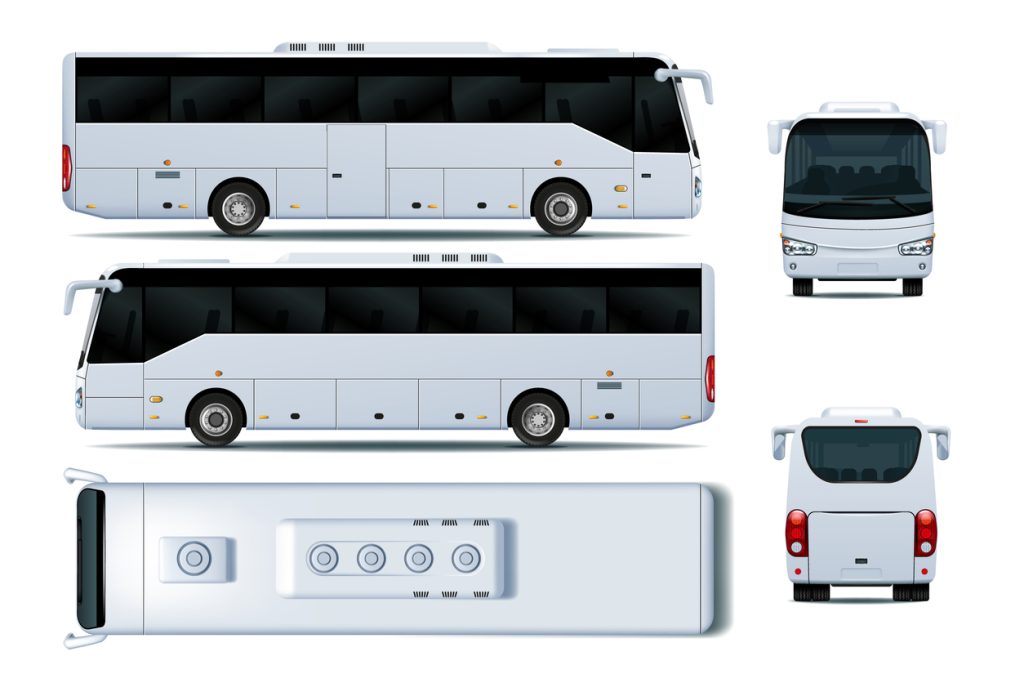
If you’ve traveled frequently across Nigeria, especially routes like Lagos to Abuja, Lagos to Benin, or Port Harcourt to Lagos, then GIGM (God is Good Motors / GIG Mobility) is one of those transport names you’ll recognize immediately.
It’s often seen as one of the more structured interstate transport operators in Nigeria, with modern terminals, online booking options, and relatively organized departure systems.
But beyond the polished brand image, the real experience still depends on timing, traffic, and how well you understand the system on the ground.
What GIGM Actually Looks Like in Daily Operations
GIGM is not just a bus company—it runs a fairly organized transport network across major Nigerian cities. Their routes cover key commercial corridors such as:
- Lagos → Abuja
- Lagos → Benin
- Lagos → Port Harcourt
- Abuja → Enugu / Owerri / Onitsha
- Port Harcourt → Lagos / Abuja
- Lagos → Uyo / Calabar
What makes them stand out compared to smaller parks is their use of structured terminals and digital booking systems, meaning fewer “guesswork” bookings at the park.
What You Actually Experience at GIGM Terminals
If you’ve been to terminals like Jibowu, Ajah, Utako, Cele, or Benin Akpakpava, you’ll notice something immediately: it’s more organized than most roadside parks, but still very dependent on timing.
Typical realities include:
- You are expected to arrive at least 30–60 minutes early
- Luggage is checked and tagged before boarding
- Departure depends on full loading, not just schedule time
- Peak periods (December, Easter, Sallah) can cause long waiting times
- Seat selection is usually tied to booking order
For example, a 7:00 AM Lagos to Abuja bus may still wait until 8:00–9:00 AM depending on passenger loading and final checks.
Lagos to Abuja Travel: What It Really Feels Like
This is one of the most popular routes in Nigeria, and also one of the most misunderstood.
On paper, the journey is about 8–12 hours depending on the bus type. In reality, several things affect it:
- Traffic leaving Lagos (Ojota, Berger, Mile 2)
- Stops at Lokoja for rest or fuel
- Road conditions along the Abuja highway
- Security checks and unexpected delays
- Weather and seasonal travel pressure
Frequent travelers already know: the earlier you leave Lagos, the smoother the trip tends to be.
Why GIGM Is Popular for Business and Corporate Travel
One reason GIGM has grown in Nigeria is that it’s widely used by:
- Corporate workers moving between Lagos and Abuja
- Traders transporting goods between major markets
- Students traveling between universities
- SMEs handling scheduled deliveries and logistics
Their parcel service is especially important for businesses sending items like:
- Electronics from Lagos to Abuja
- Fashion goods to Port Harcourt or Onitsha
- Documents and time-sensitive packages
- Bulk goods between major commercial hubs
Common Mistakes Travelers Make When Using GIGM
1. Arriving late to the terminal
Morning buses are strict with boarding windows.
2. Assuming booking guarantees immediate departure
Loading time still matters.
3. Not confirming terminal location properly
Lagos alone has multiple GIGM terminals.
4. Ignoring peak-season demand
Prices and seat availability change fast in festive periods.
5. Poor luggage preparation
Unlabelled or overweight cargo can delay processing.
How Travel Actually Works in Nigeria (Beyond the Brand)
Whether it’s GIGM or any other transport company, the same operational reality applies:
- Roads determine travel time more than schedules
- Passenger volume affects departure time
- Terminal efficiency varies by location
- Seasonal demand changes everything quickly
Understanding this helps you avoid frustration and plan better trips.
How Travo.ng Helps You Navigate GIGM and Other Transport Options
Instead of moving blindly between terminals or relying on incomplete information, Travo.ng helps users coordinate travel and logistics more efficiently.
With it, you can:
- Plan interstate trips ahead of time
- Explore available travel options across operators
- Organize parcel and cargo delivery
- Reduce uncertainty around timing and availability
- Combine travel booking and logistics planning in one place
It doesn’t replace GIGM—it helps you use it more effectively by giving you a clearer view of how interstate travel actually works in Nigeria.
Final Perspective on GIGM and Nigerian Road Travel
GIGM remains one of the more structured and widely used transport systems in Nigeria, especially for long-distance routes like Lagos–Abuja and Lagos–South-East corridors.
But like every transport system in the country, success depends on preparation, timing, and understanding how terminals actually operate—not just what the schedule says.
For travelers, traders, and businesses, the real advantage comes from planning ahead and reducing uncertainty. That’s exactly where Travo.ng fits in—helping make interstate travel and logistics across Nigeria more predictable, organized, and easier to manage.
