


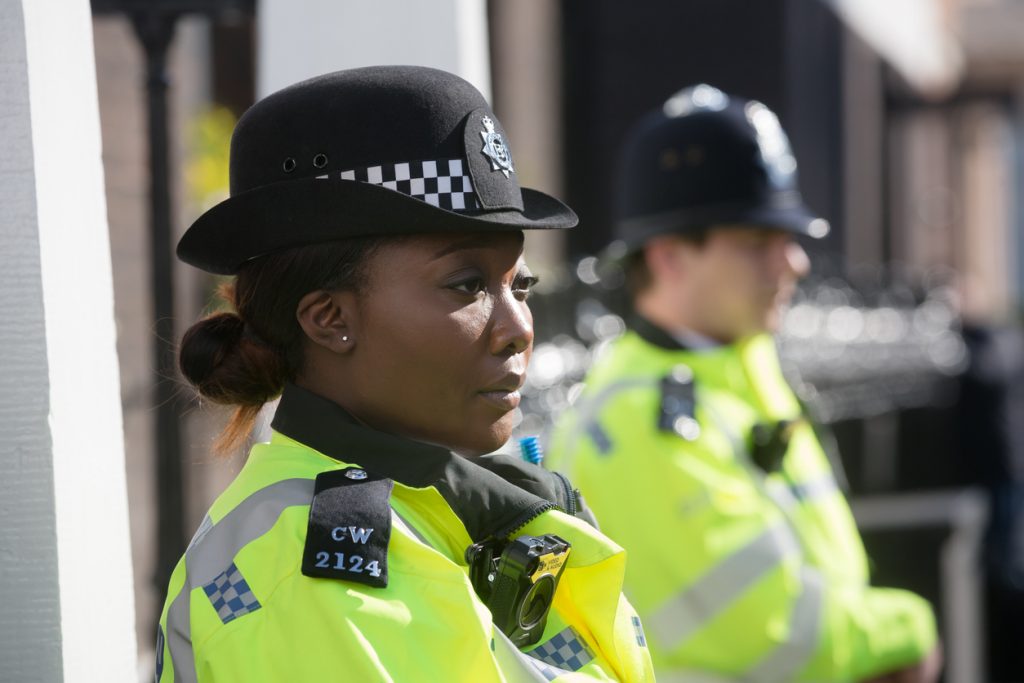
Understanding the police hierarchy in Nigeria is important for individuals and businesses who interact with law enforcement—especially when it comes to travel logistics, documentation, and security clearances. Whether you’re planning inter-state travel or coordinating logistics, knowing how the system works can save time and prevent unnecessary delays.
At Travo.ng, we help clients navigate travel and logistics efficiently, including situations that require compliance with official procedures.
Overview of the Police Hierarchy in Nigeria
The police hierarchy in Nigeria is structured to ensure proper command, accountability, and operational efficiency. The Nigeria Police Force (NPF) operates under a centralized system headed by the Inspector General of Police (IGP).
Each rank has defined responsibilities, and communication typically flows from lower ranks to higher authorities.
List of Police Ranks in Nigeria
The police hierarchy in Nigeria is divided into two main categories: commissioned officers and non-commissioned officers.
Commissioned Officers (Senior Ranks)
These officers hold leadership and administrative roles:
- Inspector General of Police (IGP) – Head of the Nigeria Police Force
- Deputy Inspector General of Police (DIG)
- Assistant Inspector General of Police (AIG)
- Commissioner of Police (CP) – State-level command
- Deputy Commissioner of Police (DCP)
- Assistant Commissioner of Police (ACP)
These ranks are responsible for strategic decisions, policy enforcement, and coordination across regions.
Non-Commissioned Officers (Junior Ranks)
These officers handle field operations and enforcement:
- Chief Superintendent of Police (CSP)
- Superintendent of Police (SP)
- Deputy Superintendent of Police (DSP)
- Assistant Superintendent of Police (ASP)
- Inspector of Police
- Sergeant Major
- Sergeant
- Corporal
- Constable
They are the officers you are most likely to encounter during daily activities, including road checks and travel-related verifications.
Why the Police Hierarchy in Nigeria Matters for Travel
When organizing travel or logistics within Nigeria, the police hierarchy in Nigeria plays a practical role in several ways:
1. Security Checkpoints
Travelers often encounter police officers on highways. Understanding ranks helps you communicate appropriately and confidently.
2. Documentation and Permits
Certain travel operations—especially for corporate logistics—may require police reports or verification. Higher-ranking officers typically approve official documents.
3. Conflict Resolution
If issues arise during transit, escalating matters through the proper hierarchy can lead to faster resolution.
At Travo.ng, we guide clients through these processes, ensuring smooth travel experiences without unnecessary complications.
How Travo.ng Supports You
Navigating the police hierarchy in Nigeria can be confusing, especially for first-time travelers or businesses managing logistics.
Travo.ng simplifies this by offering:
- Reliable travel coordination across Nigerian states
- Logistics support that aligns with regulatory requirements
- Assistance in handling documentation-related travel needs
- Professional guidance to avoid delays at checkpoints
Our goal is to ensure your journey is seamless, compliant, and stress-free.
Tips for Dealing with Police Officers During Travel
Understanding the police hierarchy in Nigeria is helpful, but knowing how to act is equally important:
- Be respectful and calm when approached
- Always carry valid identification
- Follow instructions without confrontation
- Avoid offering unofficial payments
- Escalate issues properly if necessary
These simple steps can make a big difference in your travel experience.
Final Thoughts
The police hierarchy in Nigeria is designed to maintain order and ensure public safety. For travelers and businesses, understanding this structure is not just informative—it’s practical.
With the right knowledge and support from trusted platforms like Travo.ng, you can navigate travel and logistics in Nigeria with confidence.
If you want a smoother, more reliable travel experience, working with a service that understands both logistics and local systems is a smart move.
