


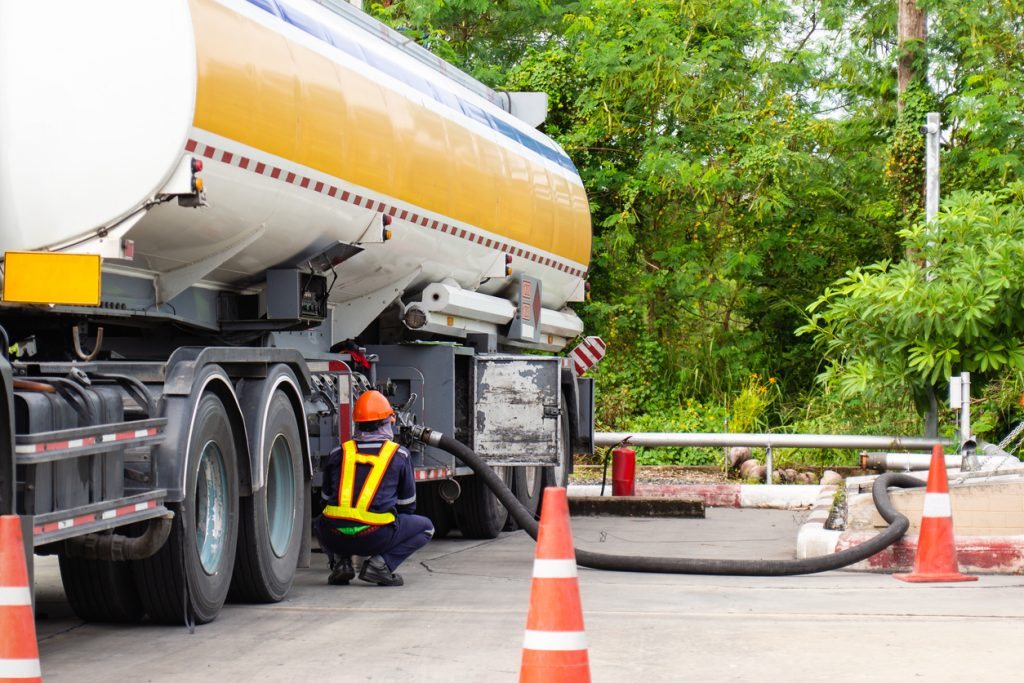
In Nigeria’s oil and gas industry, transportation is more than simply moving people and equipment from one location to another. Every vehicle movement affects production schedules, project timelines, safety compliance, and operating costs. Whether it is transporting engineers to a drilling site in Rivers State, moving equipment between Warri and Port Harcourt, or coordinating crew changes near offshore facilities, fleet management plays a critical role in daily operations.
This is why many operators are increasingly turning to managed fleet services oil and gas Nigeria providers to improve efficiency, reduce downtime, and maintain operational control across multiple locations.
At Travo.ng, we understand the unique transport and logistics challenges faced by oil and gas companies operating across Nigeria’s major energy corridors.
Why Fleet Management Is a Major Challenge in Oil and Gas Operations
Unlike conventional corporate transportation, oil and gas logistics often involve:
- Long-distance interstate travel
- Remote site access
- Strict safety requirements
- 24-hour operational schedules
- Vehicle tracking and monitoring
- Crew transportation coordination
A vehicle breakdown on a route between Port Harcourt and an upstream facility can disrupt an entire day’s operation. Delays in transporting personnel to a project site may result in costly downtime, especially during critical drilling, maintenance, or inspection activities.
Many companies discover that owning vehicles is only part of the equation. Managing maintenance schedules, driver compliance, fuel usage, and dispatch coordination requires dedicated expertise.
What a Managed Fleet Service Typically Covers
A properly managed fleet solution goes beyond vehicle rental.
Depending on operational requirements, services may include:
- Fleet procurement and deployment
- Driver management
- Preventive maintenance scheduling
- Fuel monitoring
- GPS tracking and route optimization
- Vehicle replacement planning
- Emergency roadside support
- Transport reporting and performance monitoring
For oil and gas operators working across Lagos, Port Harcourt, Warri, Eket, and Abuja, these services help create visibility over transport operations while reducing administrative workload.
The Cost of Poor Fleet Management
Many organizations underestimate how much inefficient fleet operations affect profitability.
Common issues include:
Excessive Fuel Consumption
Without route planning and monitoring systems, fuel expenses can increase significantly, especially for interstate operations.
Frequent Vehicle Downtime
Delayed maintenance often results in unexpected breakdowns that interrupt field operations and project schedules.
Driver Compliance Problems
Failure to properly manage drivers can create safety risks and increase operational liability.
Limited Operational Visibility
Without tracking systems and centralized reporting, fleet managers may struggle to understand vehicle performance, location status, or maintenance requirements.
For companies operating in the oil and gas sector, these challenges can quickly escalate into major operational risks.
What Companies Look for in a Fleet Partner
When selecting a fleet management provider, oil and gas companies typically prioritize reliability over the lowest price.
Key considerations often include:
- Proven experience handling corporate transportation
- Strong safety standards
- Vehicle availability across multiple locations
- Real-time fleet monitoring
- Emergency support capabilities
- Consistent maintenance programs
- Transparent reporting
In regions where road conditions and traffic patterns can vary significantly, local operational knowledge becomes especially valuable.
For example, travel planning between Lagos and field locations may require different scheduling strategies during festive periods, election seasons, or peak business travel periods.
Supporting Field Teams Across Nigeria
Oil and gas operations rarely remain within one city.
A typical project may involve personnel movement between:
- Lagos
- Port Harcourt
- Warri
- Yenagoa
- Uyo
- Eket
- Abuja
Coordinating transportation across multiple locations requires careful planning and dependable logistics support.
Through its transport coordination and business logistics services, Travo.ng helps organizations streamline vehicle deployment, staff transportation, airport pickups, and interstate travel arrangements.
This reduces the burden on internal teams while ensuring field personnel arrive where they need to be safely and on schedule.
Combining Fleet Management With Business Travel Support
One challenge many energy companies face is managing transportation and travel separately.
For example, a project team arriving at Port Harcourt International Airport may require:
- Airport pickup services
- Hotel reservations
- Vehicle allocation
- Driver scheduling
- Return transportation
Managing all these arrangements through different vendors can create unnecessary complexity.
This is where integrated support becomes valuable. In addition to fleet coordination, Travo.ng provides travel booking, accommodation reservations, airport transfer services, and corporate logistics support, helping businesses manage multiple operational needs through a single provider.
Keeping Operations Moving Without Disruption
In the oil and gas industry, transportation reliability directly affects productivity.
Companies that invest in managed fleet solutions often experience:
- Better vehicle availability
- Improved safety compliance
- Reduced operating costs
- Faster response times
- Enhanced reporting and visibility
- More efficient field operations
As Nigeria’s energy sector continues to expand, reliable transportation management remains a critical part of maintaining operational efficiency.
For organizations seeking dependable managed fleet services oil and gas Nigeria, working with an experienced logistics and mobility partner can help simplify transportation challenges while supporting business growth across the country’s key oil-producing regions.
