


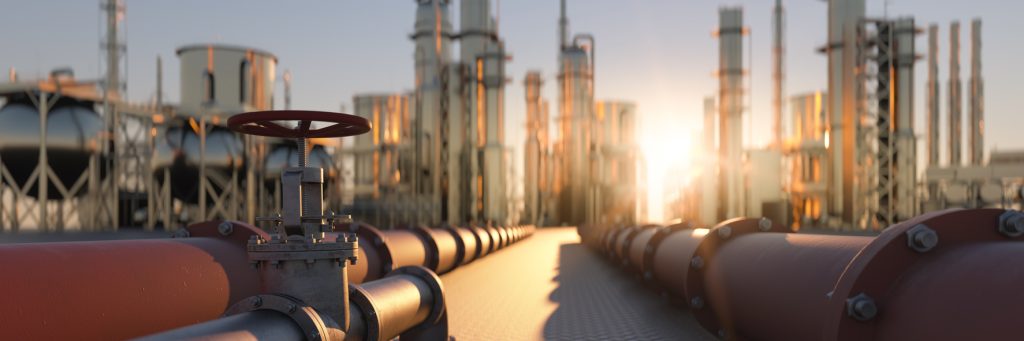
Dangote refinery inland fuel transportation in Nigeria is changing how businesses think about petroleum movement, depot supply, and bulk logistics. With more local refining activity and direct product movement gaining attention, fuel buyers now care less about only “where is the product?” and more about “how safely and reliably can it reach us?” Recent reports also show Dangote’s push toward nationwide fuel distribution using CNG-powered trucks, which has raised fresh discussion around downstream logistics efficiency.
For filling stations, factories, construction companies, telecom sites, farms, and fleet operators, inland fuel transport is not just about hiring a tanker. It involves route planning, loading coordination, driver checks, documentation, delivery timing, and risk control.
What inland fuel transportation really involves
Moving fuel from a refinery, depot, or loading point to an inland location requires more planning than many people expect.
A typical fuel movement may involve:
- Confirming product availability and loading schedule
- Assigning the right tanker size
- Checking route safety and road access
- Managing delivery documents
- Coordinating offloading at the destination
- Tracking the truck until delivery is completed
For routes like Lagos to Ibadan, Lagos to Abuja, Lekki to Ogun industrial zones, or Lagos to Onitsha, timing can change quickly because of traffic, checkpoints, road repairs, weighbridges, and weather.
Why businesses need better fuel logistics planning
Many fuel delivery problems happen before the truck even leaves the loading point. A buyer may arrange payment but fail to confirm access roads. A company may order diesel for a site in Kaduna or Benin without checking offloading space. Some customers also underestimate how long tanker movement takes during festive periods or rainy season.
For example, a Lagos to Abuja fuel movement may take 1 to 2 days under normal conditions, but delays can happen around Lokoja, Okene, or major depot corridors. Shorter industrial routes within Lagos, Ogun, and Oyo can still face serious delays if dispatch is poorly timed.
This is where structured logistics coordination matters.
How Travo.ng supports fuel-related transport coordination
Travo.ng helps businesses plan and coordinate practical movement needs across Nigeria. For companies dealing with fuel supply, energy support, or industrial logistics, Travo.ng can assist with transport coordination, cargo logistics, route planning, and business logistics support.
The goal is not just to “find a truck.” It is to help customers arrange movement in a way that reduces confusion, avoids unnecessary delays, and improves delivery visibility.
A business may contact Travo.ng when it needs:
- Inland transport coordination
- Bulk cargo movement support
- Delivery planning across Nigerian states
- Vehicle hire for operations teams
- Airport pickup or hotel booking for visiting engineers
- Logistics support for multi-location projects
Common mistakes in fuel movement across Nigeria
One common mistake is booking transport too late. Fuel movement often depends on loading windows, driver availability, road conditions, and destination readiness.
Another mistake is focusing only on the cheapest rate. In petroleum logistics, poor coordination can cost more than the transport fee itself. A delayed truck can affect generator operations, production schedules, telecom uptime, or retail station sales.
Businesses should also avoid unclear delivery instructions. The driver needs accurate contact details, destination access information, offloading time, and any site restrictions.
Practical advice before arranging fuel transport
Before booking inland movement, confirm the product volume, loading point, destination, delivery deadline, and receiving contact. Also check whether the site can receive a tanker safely.
For corporate buyers, it is better to plan recurring delivery schedules instead of waiting until tanks are almost empty. This is especially important for hotels, estates, factories, farms, and telecom operators.
Book smarter logistics support with Travo.ng
Dangote refinery inland fuel transportation in Nigeria is part of a bigger shift in local supply and downstream movement. Businesses that plan properly will handle fuel logistics more smoothly than those that rely on last-minute arrangements.
Travo.ng gives companies a practical way to coordinate transport, cargo, delivery, and business logistics needs across Nigeria with local understanding and real operational support.
