


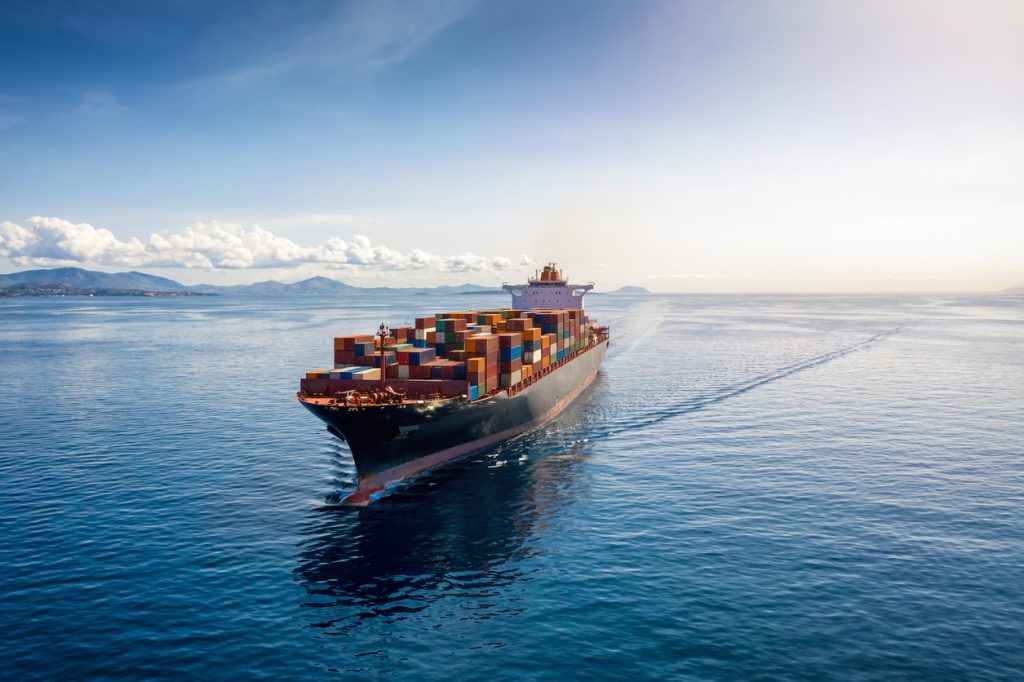
Sea freight remains the backbone of international cargo movement into Nigeria.
From imported electronics arriving through Apapa Port to containers of building materials, machinery, and commercial inventory shipped from China, the UK, Turkey, and Dubai, most large-scale imports entering Nigeria still move by sea.
For many businesses, sea freight is the most practical option because it allows:
- Bulk cargo shipping
- Lower shipping cost per unit
- Container movement
- Commercial importation
- Heavy equipment transport
But shipping cargo into Nigeria is rarely straightforward.
Importers often deal with:
- Port congestion
- Customs delays
- Documentation issues
- Container demurrage
- Haulage coordination
- Exchange rate fluctuations
This is why experienced sea freight companies remain critical for businesses importing into Nigeria.
This guide explains how sea freight services work in Nigeria, what importers should expect, and the operational realities of shipping cargo through Nigerian ports.
Why Sea Freight Is Still the Most Common Shipping Method
For commercial importers, sea freight is usually more economical than air freight, especially for:
- Full container shipments
- Heavy cargo
- Industrial equipment
- Retail inventory
- Bulk commercial goods
Businesses importing from:
- China
- UK
- USA
- Turkey
- India
- Dubai
often use:
- FCL (Full Container Load)
- LCL (Less than Container Load)
- RoRo shipping
- Consolidated cargo
depending on shipment size and budget.
Many Nigerian freight forwarders now support both FCL and LCL container shipping through Lagos ports.
Lagos Is the Centre of Sea Freight Operations
Most sea freight activity in Nigeria happens through Lagos because of:
- Apapa Port
- Tin Can Island Port
- Lekki Deep Sea Port
These ports handle large volumes of:
- Containers
- Bulk cargo
- Vehicle imports
- Industrial shipments
- Consumer goods
Apapa remains Nigeria’s busiest maritime logistics corridor and handles a significant share of imports and exports nationwide.
Lekki Deep Sea Port is also becoming increasingly important because of its larger container handling capacity and modern infrastructure.
What Sea Freight Companies Usually Handle
A professional sea freight provider typically manages:
- Cargo booking
- Container shipping
- Customs documentation
- Port clearance
- Haulage coordination
- Cargo consolidation
- Inland delivery
- Warehousing support
Some companies also provide:
- Door-to-door shipping
- Cargo insurance
- RoRo vehicle shipping
- Project cargo handling
- Oil and gas logistics
Companies like VDS Global Logistics Ltd and D2D Cargo currently support sea freight, customs clearance, and inland cargo delivery operations in Nigeria.
Customs Clearance Is Often the Hardest Part
Many importers discover quickly that shipping cargo is easier than clearing it.
Common customs problems include:
- Wrong HS code classification
- Incomplete documentation
- Delayed inspection
- Duty calculation disputes
- Container examination delays
An experienced freight forwarder helps reduce:
- Port storage charges
- Demurrage costs
- Clearance delays
- Documentation errors
especially at:
- Apapa Port
- Tin Can Port
- Onne Port
Companies such as Distinctcushy Freight and NES Shipping Ltd currently provide customs clearing and forwarding services across Nigerian seaports.
Sea Freight Pricing Changes Constantly
Shipping costs in Nigeria fluctuate regularly because of:
- Exchange rates
- Port charges
- Global freight demand
- Fuel prices
- Shipping line costs
For example:
- Container shipping from China to Lagos may become more expensive during global shipping disruptions or peak commercial seasons.
Businesses importing regularly now pay closer attention to:
- Total landed cost
- Customs charges
- Port handling fees
- Delivery coordination
instead of focusing only on shipping cost alone.
Haulage Becomes Critical After Port Clearance
Cargo movement does not end at the port.
After customs clearance, businesses still need:
- Container haulage
- Warehouse delivery
- Interstate cargo movement
- Depot transport
- Final distribution
This becomes difficult because traffic around:
- Apapa
- Wharf Road
- Tin Can corridor
can delay container movement significantly.
Many logistics companies now combine:
- Freight forwarding
- Haulage
- Warehousing
- Inland transport
under one operation to reduce delays.
Companies like Cargoburg Logistics Limited and Transoceans Logistics and Projects Limited currently support freight forwarding and inland logistics coordination around Lagos ports.
Sea Freight Supports Multiple Nigerian Industries
Several sectors depend heavily on ocean freight services.
Retail and E-Commerce
Businesses import:
- Fashion inventory
- Electronics
- Household goods
- Consumer products
through container shipping.
Manufacturing
Factories regularly import:
- Machinery
- Raw materials
- Industrial equipment
Oil and Gas
Marine logistics operations support:
- Offshore equipment
- Industrial cargo
- Project logistics
Facilities such as LADOL and Snake Island Integrated Free Zone also support logistics and maritime operations around Lagos ports.
Technology Is Improving Freight Operations
Modern sea freight companies increasingly use:
- Cargo tracking systems
- Digital documentation
- Shipment visibility tools
- Warehouse management software
- Online freight coordination
Businesses now expect:
- Faster updates
- Better communication
- Cargo visibility
- Organised shipment handling
instead of relying entirely on manual port processes.
Common Problems Importers Still Face
Port Congestion
Apapa traffic and terminal congestion still affect delivery timing.
Demurrage Costs
Delayed container clearance can become expensive quickly.
Documentation Errors
Incorrect paperwork often delays customs processing.
Poor Communication
Importers want faster shipment updates and better logistics visibility.
Travo.ng Supports Logistics Coordination Across Nigeria
Businesses moving cargo through Nigerian ports often require broader logistics support beyond freight forwarding alone.
Travo.ng helps businesses coordinate:
- Interstate transport
- Cargo movement
- Vehicle hire
- Airport pickups
- Delivery logistics
- Business travel support
especially for companies operating across Lagos, Abuja, Port Harcourt, Kano, and other Nigerian commercial hubs.
Sea Freight Will Remain Critical to Nigerian Trade
As importation, manufacturing, and regional trade continue growing, sea freight services will remain one of the most important parts of Nigeria’s logistics industry.
Companies capable of providing:
- Reliable container shipping
- Customs clearance expertise
- Port logistics coordination
- Inland cargo transport
- Organised freight handling
will continue playing a major role in Nigeria’s commercial supply chain system.
