


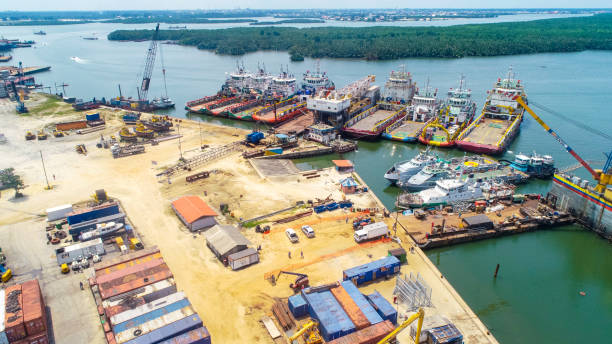
Prohibited imports in Nigeria are goods that are completely banned from entering the country under customs and federal trade regulations. Unlike restricted items that require permits, prohibited goods are not allowed at all — and attempting to import them can lead to seizure, heavy penalties, or even prosecution.
For importers shipping from China, Dubai, Turkey, or the UAE into Lagos ports like Apapa or Tin Can Island, misunderstanding this category is one of the fastest ways to lose cargo and money.
Why Nigeria Prohibits Certain Imports
The Nigerian government enforces import prohibition to:
- Protect public health and safety
- Support local manufacturing and agriculture
- Prevent illegal trade and security risks
- Control environmental and hazardous materials
- Enforce international trade compliance standards
In practice, prohibited imports are strictly enforced at ports, airports, and border entry points.
List of Commonly Prohibited Imports in Nigeria
1. Narcotics and Illegal Drugs
All forms of illegal drugs are strictly prohibited.
This includes:
- Cocaine
- Heroin
- Methamphetamine
- Illicit controlled substances
These are not just seized — they trigger criminal investigation and prosecution.
2. Firearms and Ammunition (Without Government Authorization)
Most weapons are prohibited unless explicitly approved by the Nigerian government.
Includes:
- Guns and rifles
- Ammunition
- Explosives
- Military-grade weapons
Importing these without authorization is treated as a serious security offence.
3. Counterfeit Currency and Fraudulent Financial Instruments
Nigeria prohibits the import of:
- Fake currency notes
- Forged financial documents
- Counterfeit bank instruments
These items are linked to financial fraud and are strictly banned.
4. Pornographic Materials
Importation of pornographic content is prohibited under Nigerian law.
This includes:
- Printed adult magazines
- Video or digital adult content
- Explicit materials intended for commercial distribution
Customs can seize such materials immediately upon detection.
5. Hazardous Toxic Waste
Nigeria prohibits import of dangerous waste materials.
Includes:
- Industrial toxic waste
- Radioactive materials
- Chemical waste products
- Environmental hazardous disposal materials
This is enforced under environmental protection laws and international conventions.
6. Fake or Counterfeit Goods (Large-Scale Commercial Imports)
While small quantities may be confiscated, commercial-scale counterfeit imports are strictly prohibited.
Examples:
- Fake branded fashion items
- Counterfeit electronics
- Unauthorized luxury replicas
These goods are seized and may lead to legal penalties for importers.
7. Unapproved Security and Surveillance Equipment
Certain advanced security tools are restricted or prohibited without clearance.
Includes:
- Military-grade surveillance systems
- Covert tracking devices
- Unauthorized encryption equipment
These are controlled for national security reasons.
8. Certain Live Animals and Wildlife Products
Nigeria prohibits import of endangered species and wildlife products without authorization.
Includes:
- Endangered animal species
- Illegal ivory products
- Unregulated wildlife trade goods
This aligns with international conservation agreements.
Why Importers Confuse Prohibited vs Restricted Goods
A major problem for importers in Lagos and Accra trade routes is misunderstanding classification.
- Prohibited goods: Not allowed at all
- Restricted goods: Allowed with permits or approvals
Many cargo seizures happen because importers assume “restricted means negotiable,” when in reality some items fall under outright prohibition.
Real-World Import Scenarios at Nigerian Ports
Typical situations include:
- Containers flagged during inspection at Apapa port
- Goods held due to suspicion of counterfeit branding
- Cargo rejected because of prohibited chemical content
- Air freight detained at Lagos airport for illegal items
Once classified as prohibited, clearance is almost impossible.
Consequences of Importing Prohibited Goods
Importing prohibited items can lead to:
- Immediate seizure of goods
- Heavy fines and penalties
- Loss of entire shipment value
- Criminal investigation or prosecution
- Blacklisting of importer or company
In serious cases, it affects future import eligibility.
How Smart Importers Avoid Prohibited Import Risks
Experienced importers do not guess — they verify before shipping:
- Check Nigerian Customs prohibited items list before sourcing
- Confirm product classification with HS codes early
- Avoid mixing unknown or sensitive goods in cargo
- Work with compliance-aware freight forwarders
- Verify product legality before payment
Most import losses happen because this step is skipped.
TRAVO LOGISTICS INTELLIGENCE: PREVENTING PROHIBITED CARGO ERRORS BEFORE SHIPPING
A major cause of prohibited import issues is disconnect between sourcing and logistics planning.
Importers often:
- Buy goods from China or Dubai without compliance checks
- Ship cargo before confirming Nigerian import legality
- Rely on multiple agents who don’t coordinate documentation
- Only discover issues after cargo arrives in Lagos
This is where structured logistics coordination becomes critical.
Platforms like Travo.ng support importers by aligning:
- Pre-shipment compliance verification
- Cargo classification and documentation review
- Freight coordination from origin countries
- Customs clearance preparation in Nigeria
- Final delivery after regulatory approval
Instead of reacting at the port, importers can prevent issues before shipping begins.
Final Insight: Prohibited Imports Are a Zero-Tolerance Category
Prohibited imports in Nigeria are not negotiable, and they are not flexible.
The importers who succeed are those who:
- Understand the difference between restricted and prohibited goods
- Verify legality before sourcing
- Avoid assumptions based on supplier claims
- Build compliance into their import process from day one
Once this discipline is in place, import operations become safer, more predictable, and scalable across international trade routes.
