


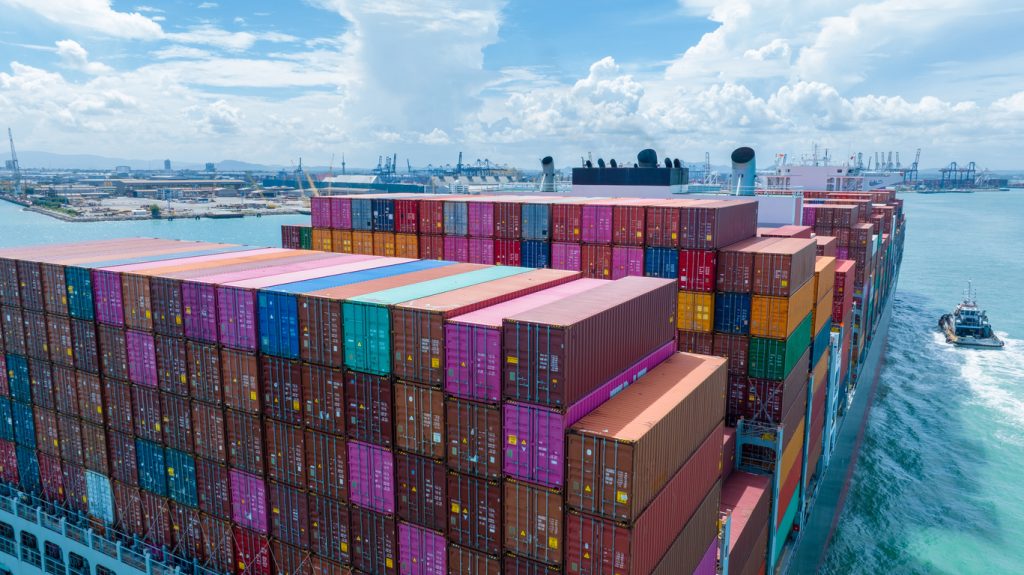
Clearing imported goods in Nigeria is not something most people want to gamble with. Whether you are bringing in business stock, personal effects, machinery, electronics, auto parts, fashion items, or bulk cargo, one wrong document or poor coordination can delay your shipment for days or even weeks.
That is why many importers search for reliable customs clearing Nigeria support before their goods arrive. The real work is not just “clearing” the shipment. It is knowing what to prepare, who to coordinate with, how to avoid unnecessary storage charges, and how to move the cargo safely after release.
At Travo.ng, customs clearing is handled as part of a practical logistics process, not as a confusing paperwork exercise.
What Customs Clearing in Nigeria Really Involves
When goods arrive at Nigerian ports, airports, or bonded terminals, they must be properly documented, assessed, inspected where necessary, and released before they can move to the final destination.
For many businesses, the common entry points include:
Lagos ports such as Apapa and Tin Can Island
Murtala Muhammed International Airport cargo section
Onne Port for some industrial and oil-related cargo
Bonded terminals around Lagos and other commercial cities
The process may include checking import documents, calculating duties, handling agency requirements, arranging examination, and coordinating final cargo movement.
For a business owner waiting for stock in Lagos, Abuja, Port Harcourt, Kano, or Ibadan, delays can affect sales, customer orders, and cash flow.
Documents You Should Prepare Before Your Shipment Arrives
A lot of clearing problems start before the goods even reach Nigeria. Missing or inconsistent documents can slow everything down.
Common documents usually needed include:
Commercial invoice
Packing list
Bill of lading or airway bill
Form M where applicable
PAAR where applicable
SONCAP or NAFDAC documents for regulated goods
Import permit where required
Tax identification details
Product description and HS code information
One simple mistake, such as a vague product description or invoice value that does not match supporting documents, can trigger extra checks. For commercial importers, it is better to review documents early instead of waiting until the cargo is already attracting demurrage.
Why Importers Face Delays at Nigerian Ports
Delays are common, but many of them can be avoided with better planning.
Some of the most frequent causes include:
Incomplete documentation
Wrong product classification
Unclear duty assessment
Late payment of port or terminal charges
Regulated items without proper approval
Poor communication between importer, shipping line, terminal, and clearing agent
No transport arranged after cargo release
A shipment may be cleared on paper but still sit at the terminal because there is no truck, van, or delivery plan ready. This is where Travo.ng’s logistics coordination becomes useful. After clearing, customers can also arrange cargo delivery, transport support, or business logistics movement through the same service flow.
What It May Cost to Clear Goods in Nigeria
There is no single fixed cost for customs clearing in Nigeria because the amount depends on the type of goods, value, weight, volume, port of entry, applicable duty, terminal charges, and agency requirements.
For example, clearing a small air cargo package at Lagos airport will not cost the same as clearing a container at Apapa. A shipment of fashion items will also be treated differently from electronics, food-related items, cosmetics, machinery, or vehicle parts.
Before committing funds, importers should request a realistic estimate that separates:
Customs duty and taxes
Terminal or storage charges
Shipping line charges
Documentation costs
Clearing service fee
Transport or delivery cost after release
This breakdown helps avoid the common problem of being quoted one amount at the beginning and discovering several “extra” costs later.
Clearing Air Cargo Versus Sea Cargo
Air cargo is usually faster, but it still needs proper documentation and customs processing. It is common for urgent business items, samples, spare parts, documents, medical supplies, lightweight electronics, and personal effects.
Sea cargo is more suitable for bulk goods, containers, commercial stock, machinery, and heavier shipments. It may be cheaper per unit, but the clearing process can involve more stages, especially at busy Lagos ports.
If timing matters, always plan based on the full journey, not just the shipping duration. A shipment that arrives in Nigeria quickly can still be delayed if clearing and delivery are not properly arranged.
How Travo.ng Supports Importers and Businesses
Travo.ng helps customers manage customs clearing Nigeria needs with a practical logistics approach. The focus is on making the process clearer, faster, and easier to coordinate.
Depending on the shipment, Travo.ng can support with:
Customs clearing coordination
Import documentation guidance
Cargo logistics
Airport cargo pickup
Port-to-door delivery
Business delivery support
Interstate cargo movement
Relocation logistics where imported personal items are involved
Transport arrangement after release
This is especially useful for SMEs, online sellers, corporate buyers, relocation customers, and individuals importing goods for the first time.
Mistakes to Avoid Before Clearing Your Goods
Many importers lose money because they wait too long or assume the clearing process will sort itself out.
Avoid these mistakes:
Do not ship regulated goods without confirming required approvals.
Do not use vague item descriptions on invoices.
Do not ignore duty estimates until the cargo arrives.
Do not delay once arrival notice is received.
Do not forget to plan delivery after release.
Do not choose clearing help based only on the cheapest quote.
A cheaper quote can become expensive if it leads to delays, storage charges, or poor communication.
A Smoother Way to Clear and Move Your Cargo
Customs clearing in Nigeria works best when documents, payments, inspection, release, and delivery are coordinated early. For importers, the goal is simple: get the goods released legally, avoid unnecessary charges, and move them safely to where they are needed.
With Travo.ng, customers can get support beyond clearing alone. Whether your cargo is coming through Lagos airport, Apapa, Tin Can, or another Nigerian entry point, Travo.ng can help you plan the clearing process and arrange practical logistics after release.
For businesses and individuals who want less stress with import handling, Travo.ng provides a more convenient way to clear, move, and manage cargo across Nigeria.
