


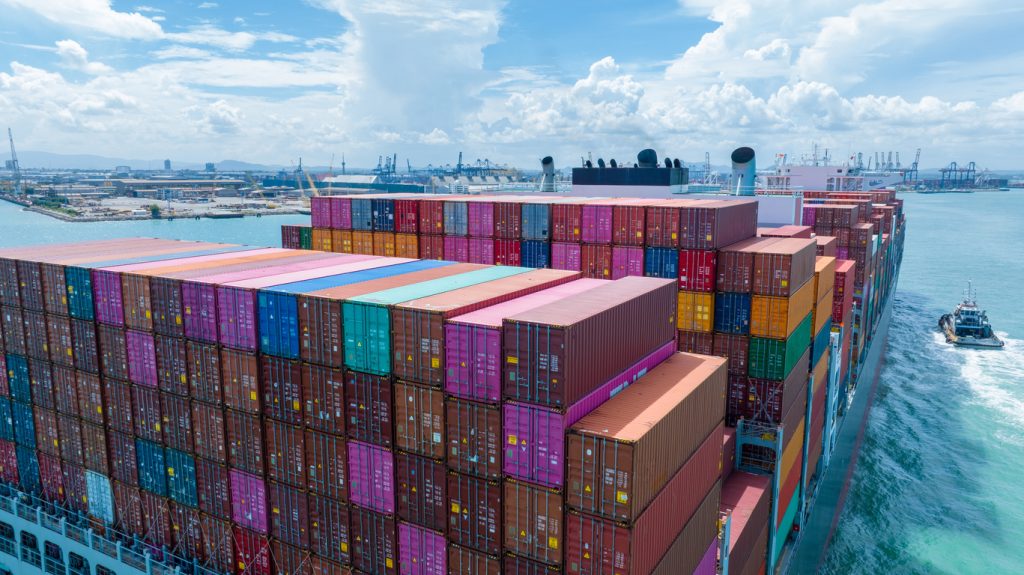
Investing in ships is often described as “high return, high complexity.” On paper, a vessel looks like a strong asset—capable of generating consistent income through charter contracts, cargo movement, or offshore support operations. In reality, profitability depends less on ownership and more on how well the vessel is managed.
Ship ownership investment management services exist to bridge that gap. They provide structured operational, financial, and commercial control over vessels owned by investors who want returns without handling daily maritime operations.
For investors in Nigeria and global shipping markets, these services are what transform ship ownership from a capital-heavy purchase into a properly managed investment portfolio.
What ship ownership investment management services actually mean
These services refer to the full professional management of a vessel on behalf of an investor, with a focus on financial performance and asset growth.
They typically include:
- Vessel acquisition advisory and structuring
- Technical and operational management
- Charter and commercial revenue optimisation
- Crew management and deployment
- Maintenance and dry-docking planning
- Regulatory and compliance oversight
- Financial reporting and investment tracking
- Asset valuation and lifecycle planning
In simple terms, it is like having a “maritime investment manager” who ensures the ship performs like a financial asset, not just a physical object.
Why ship investors rely on management services
Most ship owners are not operators. They invest capital but do not run vessels directly.
Without structured management, investors often face:
- Unpredictable operating costs
- Poor vessel utilisation
- Frequent breakdowns and downtime
- Weak charter coordination
- Compliance risks and penalties
- Difficulty tracking real profitability
The result is often lower returns than expected—even when the vessel is technically active.
Core components of ship ownership investment management
1. Technical asset management
This ensures the vessel remains operational and seaworthy.
It includes:
- Engine and machinery maintenance
- Hull inspections and repairs
- Dry-docking scheduling
- Preventive maintenance systems
- Spare parts and repair planning
A well-maintained vessel protects investor capital over the long term.
2. Commercial and charter revenue management
This is where the vessel earns money.
Management services handle:
- Charter contract negotiations
- Cargo scheduling and assignment
- Freight rate optimisation
- Vessel deployment planning
- Minimising idle time between voyages
A poorly chartered vessel can remain technically active but financially underperforming.
3. Financial performance and investment reporting
Investors need clarity—not estimates.
Reports typically include:
- Voyage profit and loss analysis
- Fuel and operational cost breakdown
- Maintenance expenditure tracking
- Net return on investment (ROI) per vessel
- Cash flow and revenue forecasting
This allows investors to make informed portfolio decisions.
4. Crew and operational management
Crew performance directly affects vessel efficiency.
Services include:
- Recruitment of qualified seafarers
- Crew rotation and scheduling
- Payroll and welfare management
- Training and certification tracking
- Safety and discipline monitoring
A well-managed crew reduces operational risks significantly.
5. Compliance and regulatory oversight
Shipping is one of the most regulated industries globally.
Management ensures:
- Flag state compliance
- Port state inspection readiness
- Environmental regulation adherence (MARPOL)
- Safety management system compliance
- Insurance and certification management
Non-compliance can lead to detention or financial penalties.
6. Maintenance and lifecycle planning
Vessels must be managed across their entire lifespan.
This includes:
- Predictive maintenance scheduling
- Mid-life vessel upgrades
- Dry-docking cycle planning
- Asset valuation tracking
- End-of-life resale or disposal strategy
Proper lifecycle planning protects long-term investment value.
Why ship ownership needs structured investment management
Unlike other asset classes, ships:
- Operate in volatile global markets
- Require continuous technical upkeep
- Depend on fuel and freight rate fluctuations
- Face complex international regulations
- Incur high operating costs even when idle
Without structured management, returns become unpredictable.
Risks of unmanaged ship investments
Investors who operate without professional management often experience:
- Hidden operational losses
- High emergency maintenance costs
- Poor charter utilisation
- Fuel inefficiencies
- Regulatory penalties
- Reduced asset resale value
These issues quietly reduce overall ROI.
How investment management improves ship profitability
With structured services in place, vessels benefit from:
- Higher utilisation rates
- Stable and predictable revenue flow
- Reduced operational waste
- Improved fuel efficiency
- Better charter contract quality
- Longer asset lifespan and stronger resale value
The vessel becomes a managed financial instrument rather than a passive asset.
Ship investment challenges in West African maritime environments
For investors operating around Nigeria and regional waters, additional factors include:
- Port congestion in Lagos and surrounding terminals
- Complex import/export documentation processes
- Variable fuel supply and pricing
- Security considerations in certain coastal routes
- Regulatory and customs delays
These conditions make professional investment management even more valuable.
The role of data and digital systems in modern ship investment management
Modern services rely heavily on technology:
- Real-time vessel tracking systems
- Fleet performance dashboards
- Predictive maintenance analytics
- Fuel efficiency monitoring tools
- Charter performance optimisation software
Data-driven management improves decision-making and reduces risk.
Where logistics coordination fits into ship investment performance
Even the best-managed vessel depends on smooth cargo movement.
Key logistics elements include:
- Cargo scheduling and consolidation
- Port handling and coordination
- Freight forwarding alignment
- Customs clearance processes
- Inland distribution planning
Delays in logistics can directly reduce vessel profitability.
How Travo.ng supports maritime logistics coordination
While ship ownership investment management focuses on vessel performance and returns, logistics coordination ensures cargo and supply chains move efficiently.
Travo.ng supports maritime and cargo-related operations through:
- Cargo consolidation services
- Freight logistics coordination
- Import and export delivery support
- Port-to-destination transportation
- End-to-end logistics execution across Nigeria
This helps reduce delays that can affect vessel turnaround time and revenue cycles.
Final thoughts
Ship ownership investment management services are essential for turning maritime assets into structured, predictable, and scalable investments.
Without professional oversight, ship ownership can become unpredictable and operationally heavy. With the right management structure, however, vessels become high-performing assets capable of generating consistent and optimised returns.
For modern maritime investors, success is no longer about simply owning ships—it is about how well those ships are professionally managed across their entire lifecycle.
